




Biochemical Engineering
- • Amino Acids and Proteins (229)
- • Nucleic Acid Drugs (17)
- • Enzymes and Coenzymes Drugs (115)
- • Inhibitors (1095)
- • Biological Response Modifiers (15)
- • Fat Medicines (8)
- • Amino Acids and Derivatives (4190)
- • Saccharides (2379)
- • Biochemical Reagents (344)
- • Nucleoside Drugs (346)
- • Condensing Agent (40)
- • Polypeptide (767)
- • Biosynthetic Natural Products (108)
- • Plant Extracts (826)
- • Chinese Herbs (354)
- • Microbiology Reagents (11)
- • Protein Research (34)
- • Lipids (281)
- • Inflammation Mediators (128)
Related News
-
What Are Some of the 20 Common Amino Acids? A Brief Guide to Them
2023-07-19 -
Another Word For Amino Acids And The Discovery Outside The Earth
2022-06-09 -
Amino Acid Functional Foods Have a Promising Future
2022-04-11 -
What Is The Creatine Monohydrate With Glucose
2022-02-21 -
What Is Gabriel Synthesis Of Amino Acids?
2022-02-11 -
Domestic Amino Acid Market Purchases And Sales Are Stable, And Methionine Market Inquiries Are Weak
2021-12-01


Amino Acids and Derivatives
Sort Amino Acids and Derivatives Alphabetically
Amino Acids and Derivatives
-

- / 99.00%
-
![buy 4-methyl-1-[(2-methylpropan-2-yl)oxycarbonyl]piperidine-4-carboxylic acid]( "4-methyl-1-[(2-methylpropan-2-yl)oxycarbonyl]piperidine-4-carboxylic acid")
-

-

Industrial Grade / 99%

![buy 4-methyl-1-[(2-methylpropan-2-yl)oxycarbonyl]piperidine-4-carboxylic acid](https://file.echemi.com/fileManage/upload/cas/600/226fc729-319e-4ebb-b7b9-4da10e1eae16.png "4-methyl-1-[(2-methylpropan-2-yl)oxycarbonyl]piperidine-4-carboxylic acid")

Request for quotation , get quotes from more suppliers.
-

- / 99.00%
-
-OH")
Research and Industrial Grade / 98.00%
-
piperidine 98% Purity CAS 39145-52-3 High Purity Boc-Protected Piperidine Building Block for Pharmaceutical Synthesis, Peptide Rese")
Reagent Grade / 99%
$100-130/KG FOB
-

USP / EP / BP / JP Grade / 99.9%


Request for quotation , get quotes from more suppliers.
-

- / 99.00%
-

Research and Industrial Grade / 98.00%
-

Industrial Grade / 99%
-
-2-Amino-5-(3-nitroguanidino)pentanoic acid")


Request for quotation , get quotes from more suppliers.
-
-3-AMINO-3-(4-CHLORO-PHENYL)-PROPIONIC ACID")
Industrial Grade / 99.0%
-
-3-amino-3-(4-chlorophenyl)propanoic acid")
-
-3-AMINO-3-(4-CHLORO-PHENYL)-PROPIONIC ACID")
-
-3-amino-3-(4-chlorophenyl)propionic acid")


Request for quotation , get quotes from more suppliers.
-

- / 99.00%
-

Industrial Grade / 99%
-

-



Request for quotation , get quotes from more suppliers.
(2E)-2-Cyano-3-(3,4-dihydroxyphenyl)-N-(phenylmethyl)-2-propenamide
(133550-30-8)-

- / 99.00%
-

Industrial Grade / 99%
-

-
")



Request for quotation , get quotes from more suppliers.
2-(Acetylamino)-3-phenyl-2-propenoic acid
(5469-45-4)-
-3-phenyl-2-propenoic acid")
- / 99.00%
-

Industrial Grade / 98%
-
-3-phenyl-2-propenoic acid CAS 5469-45-4")
Pharmaceutical Grade / 99%
-
-3-phenyl-2-propenoic acid")
Industrial Grade / 99%


Request for quotation , get quotes from more suppliers.
3-(Dimethylamino)-1-propanol
(3179-63-3)-

- / 99%
-
")
$1-1.2/KG FOB
-
propanol")
-

Industrial Grade / 99%



Request for quotation , get quotes from more suppliers.
Monosodium aspartate
(3792-50-5)-

- / 99.00%
-

Pharmaceutical Grade / 99%
-

-

Industrial Grade / 98%



Request for quotation , get quotes from more suppliers.
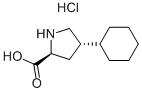
L-Proline, 4-cyclohexyl-, hydrochloride (1:1), (4S)-
(90657-55-9)-

-

Industrial Grade / 99%
-

-


Request for quotation , get quotes from more suppliers.
Source Amino Acids and Derivatives Raw Materials by Region


Frequently Asked Questions
Amino Acids and Derivatives serve as essential building blocks in the synthesis of peptides, proteins, and active pharmaceutical ingredients (APIs). They are widely used in drug formulation, nutritional supplements, and as chiral intermediates in asymmetric synthesis. Certain derivatives also function as prodrugs or enhance drug bioavailability, making them critical in modern therapeutic development.
To ensure high quality, verify that the supplier complies with international standards such as ISO, GMP, and REACH. Request Certificates of Analysis (CoA), review their quality control protocols, and confirm they perform rigorous testing for purity, enantiomeric excess (for chiral amino acids), and residual solvents. Reputable suppliers also provide traceability documentation and stability data.
Amino Acid Derivatives are extensively used in biotechnology for peptide synthesis, enzyme inhibitors, cell culture media, and as components in diagnostic reagents. They also play roles in developing biosimilars, vaccine adjuvants, and targeted drug delivery systems due to their biocompatibility and structural versatility.
Not always. While both can be chemically identical, regulatory pathways, impurity profiles, and sourcing documentation differ significantly. Natural amino acids derived from fermentation may carry biological contaminants, whereas synthetic versions offer higher batch-to-batch consistency. Regulatory agencies often require justification for interchangeability based on safety and efficacy data.