




Natural Products
- • Lignans (234)
- • Xanthones (46)
- • Flavonoids (471)
- • Terpenes (771)
- • Iridoid Derivatives (92)
- • Coumarin and Derivatives (121)
- • Phenols (339)
- • Steroids (103)
- • Phenylpropanoids (75)
- • Anthraquinone and Derivatives (16)
- • Chalcones (47)
- • Alkaloids (497)
- • Quinone Ring (28)
- • Sesquiterpene (228)
Related News
-
Credit Suisse triggers anxiety, international crude oil and natural gas collectively plummet
2023-03-16 -
Germany's annual natural gas imports fell by more than 10%
2023-01-17 -
Turkey announces discovery of 58 billion cubic meters of natural gas in Black Sea
2022-12-28 -
Natural gas: Sinopec and Qatar Energy signed a long-term purchase agreement
2022-12-01 -
The EU proposes to set a price ceiling of 275 euros per megawatt hour for natural gas
2022-11-24 -
German natural gas storage facility reaches 100% gas storage capacity
2022-11-22


Lignans, Neolignan, Plant Lignans Compounds
Lignans
Rosmarinic acid
(20283-92-5)2. An activator of GPR35.
-
![buy Rosmarinic acid CAS NO.20283-92-5 Benzenepropanoicacid, a-[[(2E)-3-(3,4-dihydroxyphenyl)-1-oxo-2-propenyl]oxy]-3,4-dihydroxy-,(aR)- (9CI) 99%HPLC yell]( "Rosmarinic acid CAS NO.20283-92-5 Benzenepropanoicacid, a-[[(2E)-3-(3,4-dihydroxyphenyl)-1-oxo-2-propenyl]oxy]-3,4-dihydroxy-,(aR)- (9CI) 99%HPLC yell")
Cosmetics Grade / 99%
$100/KG FOB
-

Pharmaceutical Grade / 99%
-

Food Grade / 99%
-

pharmaceutical grade/food grade / 99%
![buy Rosmarinic acid CAS NO.20283-92-5 Benzenepropanoicacid, a-[[(2E)-3-(3,4-dihydroxyphenyl)-1-oxo-2-propenyl]oxy]-3,4-dihydroxy-,(aR)- (9CI) 99%HPLC yell](https://file.echemi.com/fileManage/upload/goodpicture/20260804/rosmarinic-acid-cas-no20283-92-5-benzenepropanoicacid-a-2e-3-3-4-dihydroxyphenyl-1-oxo-2-propenyloxy-3-4-dihydroxy-ar-9ci-99hplc-yell_b20260804141518271.png "Rosmarinic acid CAS NO.20283-92-5 Benzenepropanoicacid, a-[[(2E)-3-(3,4-dihydroxyphenyl)-1-oxo-2-propenyl]oxy]-3,4-dihydroxy-,(aR)- (9CI) 99%HPLC yell")

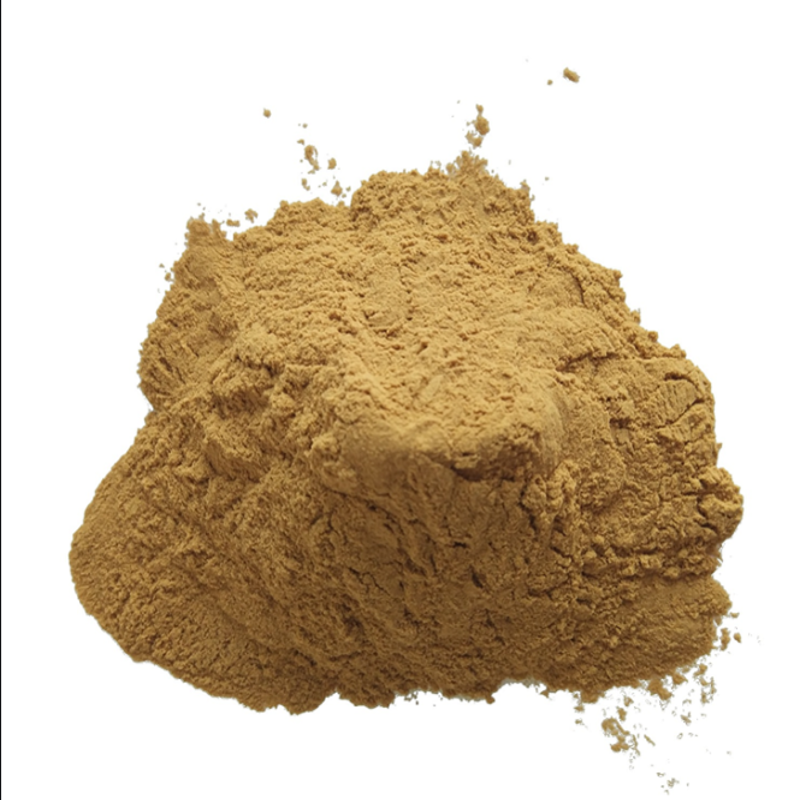
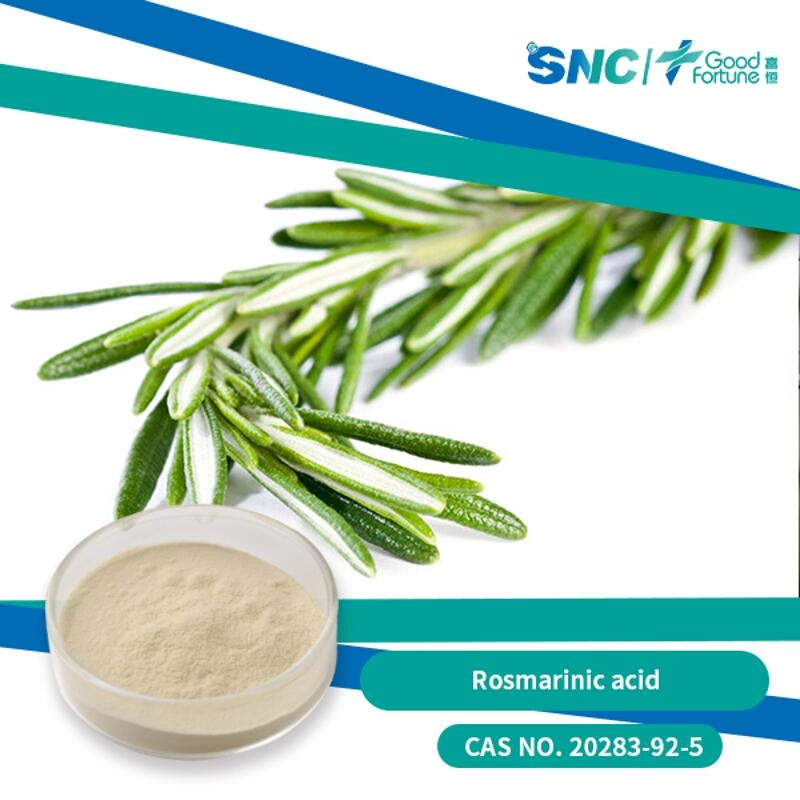
Request for quotation , get quotes from more suppliers.
Honokiol
(35354-74-6)-

Industrial Grade / -
-

- / 0.00%
-

- / 99.00%
-


Request for quotation , get quotes from more suppliers.
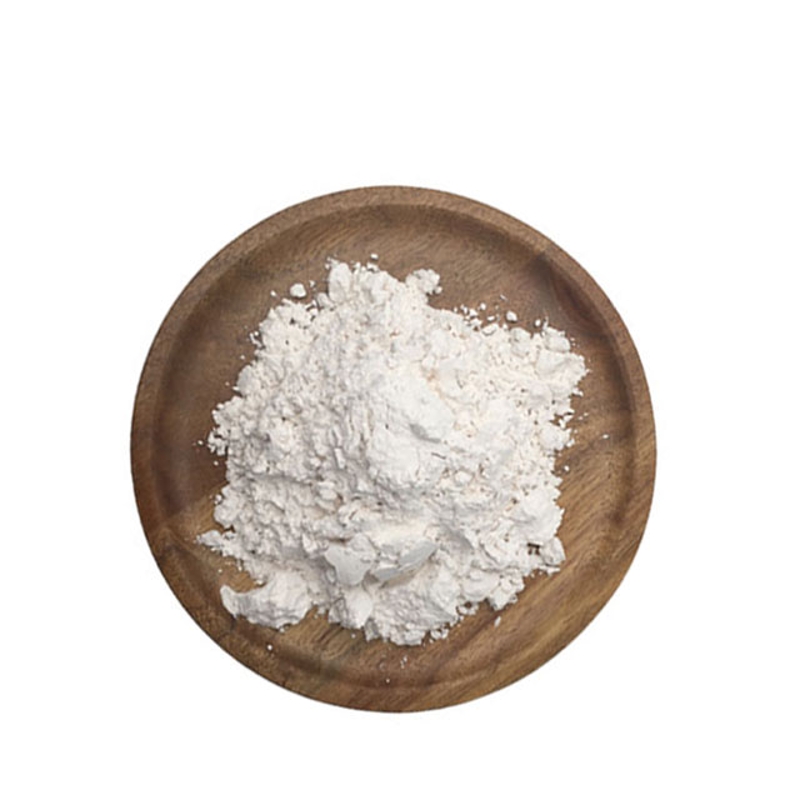
(-)-Secoisolariciresinol
(29388-59-8)-

- / 99.00%
-

-

Food grade / 99%
-

Pharmaceutical Grade / 99%

Request for quotation , get quotes from more suppliers.
-

Pharmaceutical grad / 99%
$100/KG EXW
-
-ISOLARICIRESINOL 99% white powder kanbei")
Industrial Grade / 99%
-
-ISOLARICIRESINOL")
Industrial Grade / 99%
-
-isolariciresinol")


Request for quotation , get quotes from more suppliers.
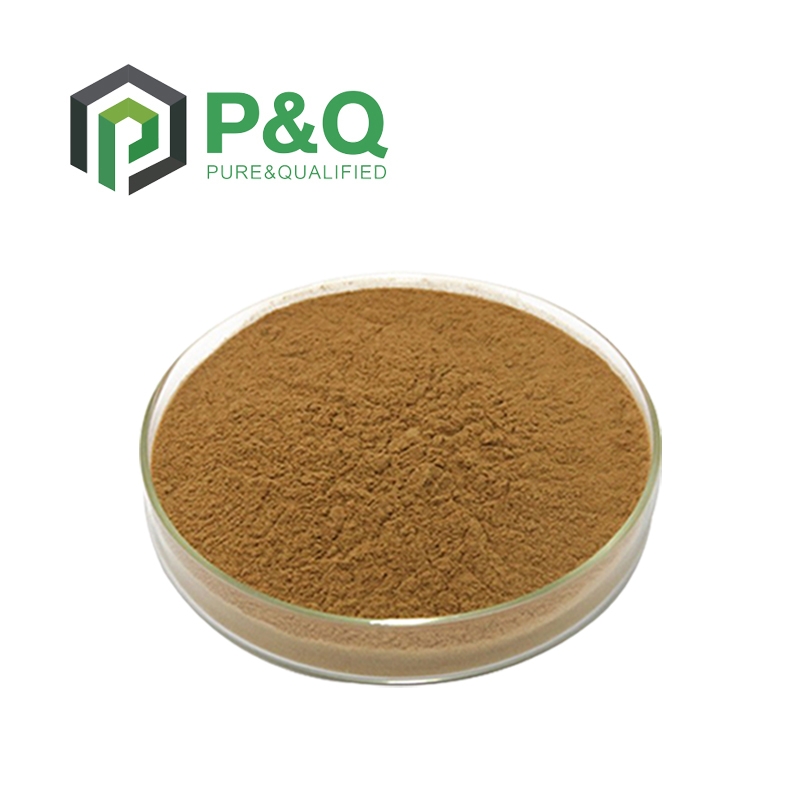
Chicoric acid
(6537-80-0)-

- / 99.00%
-

Food Grade / 99%
$120-130/KG FOB
-

Industrial Grade / 99%
-

Chemical Grade / 99%


Request for quotation , get quotes from more suppliers.
Source Lignans Products Supply
2,6-Di-tert-butyl-α-(dimethylamino)-p-cresol
(88-27-7)-
phenol.")
National Grade / 99%
-
-p-cresol")
-

Food Grade / 99%
-

industrial Grade / 98%


Request for quotation , get quotes from more suppliers.
-

-

-

Industrial Grade / 99%
-
-Pinoresinol")

Request for quotation , get quotes from more suppliers.
(+)-Pinoresinol
(487-36-5)-
-PINORESINOL")
- / 99.00%
-

Pharmaceutical grad / 99%
$100/KG EXW
-
-PINORESINOL CAS 487-36-5 for Scientific Research Chemical Reagents Use only")
Pharmaceutical Grade / 99%
-
-PINORESINOL 99% white powder kanbei")
Industrial Grade / 99%


Request for quotation , get quotes from more suppliers.
Gomisin A
(58546-54-6)-

- / 99.00%
-

Pharmaceutical grad / 99%
$100/KG EXW
-

Industrial Grade / 98%
-

- / 98%


Request for quotation , get quotes from more suppliers.
-
-PINORESINOL")
Industrial Grade / 99%
-
-PINORESINOL")
-
-PINORESINOL")
-
-PINORESINOL")
Industrial Grade / 99%

Request for quotation , get quotes from more suppliers.
Frequently Asked Questions
Lignans are a class of polyphenolic compounds found naturally in plants, particularly in seeds, whole grains, legumes, fruits, and vegetables. They are known for their antioxidant, anti-inflammatory, and potential hormone-balancing properties. In the pharmaceutical and nutraceutical industries, lignans—especially those like secoisolariciresinol diglucoside (SDG) from flaxseed—are used as dietary supplements to support hormonal health, cardiovascular wellness, and cancer prevention research. Their natural origin and bioactive effects make them valuable in functional foods and herbal formulations.
Lignans offer several evidence-backed health benefits due to their phytoestrogenic and antioxidant activities. They may help regulate estrogen metabolism, which is linked to reduced risk of hormone-related cancers such as breast and prostate cancer. Additionally, lignans support heart health by improving lipid profiles and reducing oxidative stress. Some studies also suggest they contribute to gut health by acting as prebiotics that promote beneficial intestinal bacteria. These multifaceted benefits have increased demand for high-purity lignan extracts in supplements and natural health products.
The richest dietary sources of lignans include flaxseeds (linseeds), sesame seeds, whole grains like rye and barley, legumes, cruciferous vegetables, and certain berries. Flaxseed is particularly notable, containing up to 800 times more lignans than other plant foods. The type and concentration of lignans vary by source—for example, flaxseed is high in secoisolariciresinol diglucoside (SDG), while sesame seeds contain sesamin and sesamolin. Choosing diverse plant-based foods can help maximize lignan intake for health support.
When sourcing lignan ingredients, buyers should evaluate: (1) the botanical source and its sustainability; (2) the extraction method and whether it preserves bioactivity; (3) third-party certifications such as ISO, GMP, Kosher, or organic; (4) analytical documentation including assay reports and safety data; and (5) the supplier’s track record in the nutraceutical or pharmaceutical industry. Reliable suppliers provide full traceability, consistent batch quality, and technical support—key factors for ensuring product efficacy and regulatory compliance.