




Chemical Reagents
- • Deuterated Reagents (124)
- • Organic Reagents (10137)
- • Silane Reagent (853)
- • Chiral Chemicals (25)
- • Grignard Reagent (5)
- • Desulfurizer (22)
Related News
-
What Reagent Is Used To Test For Starch
2022-03-03 -
Meditex Bangladesh2019
2018-11-09 -
International Exhibition for Laboratory Equipment and Chemical Reagents
2017-06-20



Organic Reagents Featured Products
Sort Organic Reagents Alphabetically
Organic Reagents
Cyclopropanecarbonyl chloride
(4023-34-1)-

- / 99.00%
-

Pharmaceutical Grade / 99.0%
-

Industrial Grade / 98.5%
-

Pharmaceutical Grade / 99%



Request for quotation , get quotes from more suppliers.
-

-

Pharmaceutical Grade / 99%
-

Food Grade / 99%
-


Request for quotation , get quotes from more suppliers.
Cyclopropylacetylene
(6746-94-7)-
 99% Liquid Dideu")
Pharmaceutical Grade / 99%
-

Industrial Grade / 99%
-

- / 99.00%
-

Industrial Grade / 99%
$1/KG EXW


Request for quotation , get quotes from more suppliers.
Chloromethyl pivalate
(18997-19-8)-

Pharmaceutical Grade / 99%
-

- / 99.00%
-

Pharmaceutical Grade / 99%
-

Pharmaceutical Grade / 99%


Request for quotation , get quotes from more suppliers.
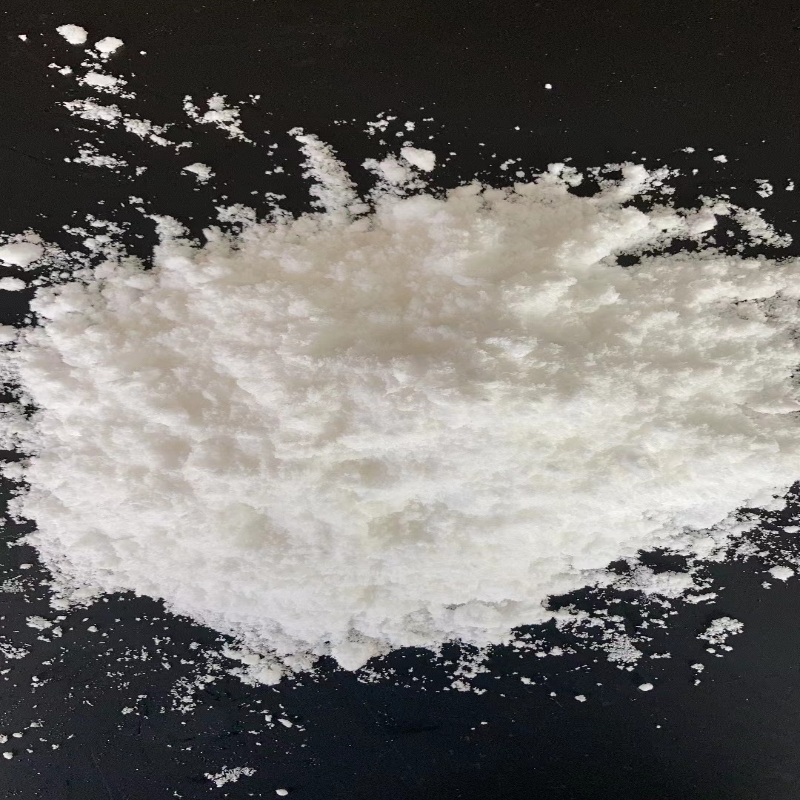
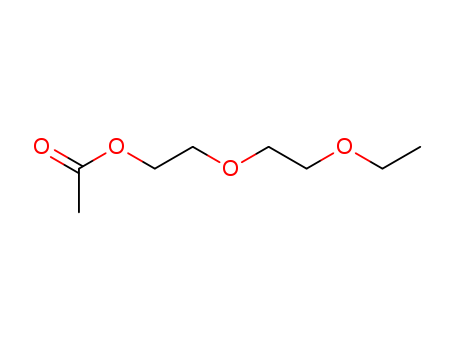
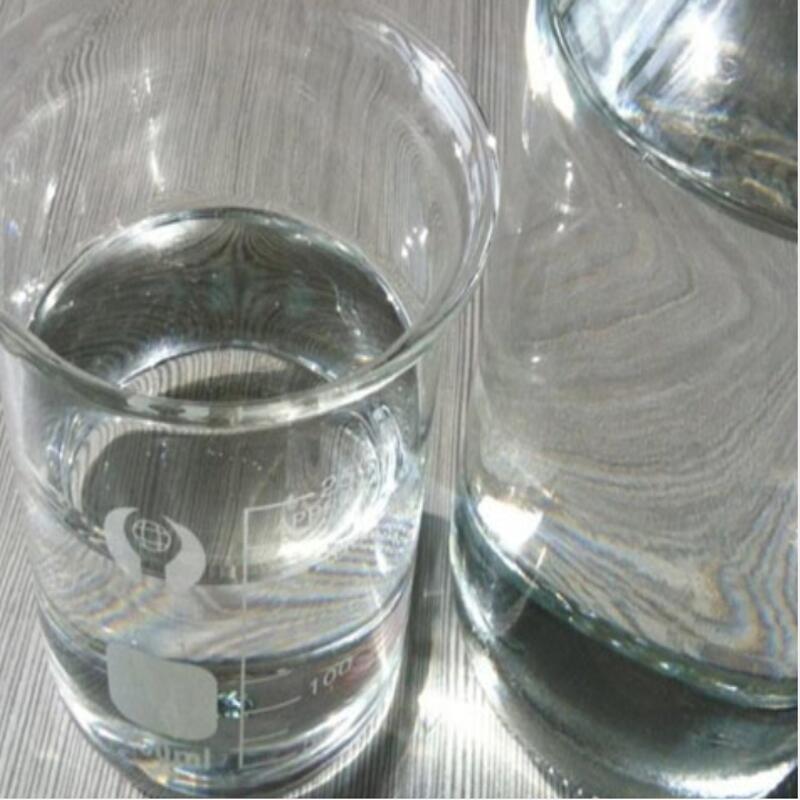
Carbitol acetate
(112-15-2)-
ethyl acetate ZS")
Industrial Grade / -
-
ethyl acetate")
- / 99.00%
-
ethyl acetate, CAS 112-15-2")
-

Industrial Grade / 99%

Request for quotation , get quotes from more suppliers.
-

- / 99.00%
-

Pharma Grade / 99%
$28/KG EXW
-

Pharmaceutical Grade / 99%
-

pharmaceutical grade / 98%


Request for quotation , get quotes from more suppliers.
Chrysene
(218-01-9)-

Industrial Grade / 99%
-

- / 99.00%
-
![buy lower price 99% GC White to tawny crystal Chrysene;Benz(a)phenanthrene;benzo(a)phenanthrene(chrysene);Benzo[a]Phenanthrenee]( "lower price 99% GC White to tawny crystal Chrysene;Benz(a)phenanthrene;benzo(a)phenanthrene(chrysene);Benzo[a]Phenanthrenee")
-

Industrial Grade / 99%

![buy lower price 99% GC White to tawny crystal Chrysene;Benz(a)phenanthrene;benzo(a)phenanthrene(chrysene);Benzo[a]Phenanthrenee](https://file.echemi.com/fileManage/upload/goodpicture/20220118/20220118120419853275_218-01-9.jpg "lower price 99% GC White to tawny crystal Chrysene;Benz(a)phenanthrene;benzo(a)phenanthrene(chrysene);Benzo[a]Phenanthrenee")

Request for quotation , get quotes from more suppliers.
Cupferron
(135-20-6)-

- / 99.00%
-

Pharmaceutical Grade / -
-

Industrial Grade / 99%
-

Pharmaceutical Grade / 99%



Request for quotation , get quotes from more suppliers.
cis-1,2,3,6-Tetrahydrophthalic anhydride
(935-79-5)-

Chemical Grade / 99%
$1/KG FOB
-

- / 99.00%
-

- / 99%
-

Industrial Grade / 99%


Request for quotation , get quotes from more suppliers.
Chlorosulfonyl isocyanate
(1189-71-5)-

Reagent Grade / 99%
$50-60/KG FOB
-

- / 99.00%
-

Industrial Grade / 99%
-

Industrial Grade / 99%
$1/KG EXW


Request for quotation , get quotes from more suppliers.
Source Organic Reagents Raw Materials by Region


More Information
Organic reagents, which are essential in many branches of chemistry, are the main actors in organic transformations and synthesis. These organic chemistry reagents are very important in building large molecules and are involved in reactions that include oxidation, reduction, substitution and polymerisation. Some of the most commonly used organic reagents include acids, bases and solvents all of which play different roles in chemical reactions. In many industries for instance the pharmaceutical industry, agriculture and materials science, these reagents have played a major role in developing new products and technologies.
Applications of organic reagents include:
● Pharmaceutical drug synthesis
● Agrochemical production
● Polymer manufacturing
● Dye and pigment creation
● Catalysts in industrial applications
● Fine chemical development
Frequently Asked Questions
Organic reagents are specialized chemical compounds used to facilitate or drive organic reactions during the synthesis of complex molecules. They play a critical role in forming carbon-carbon bonds, introducing functional groups, or modifying molecular structures. Common applications include pharmaceutical manufacturing, agrochemical development, and materials science. Selecting high-purity organic reagents ensures reaction efficiency, reproducibility, and product quality.
When selecting organic reagents, consider the following criteria:1. Purity grade (e.g., analytical, reagent, or HPLC grade) based on your application.2. Supplier certifications such as ISO, GMP, or REACH compliance.3. Stability and storage requirements to maintain reagent integrity.4. Technical documentation including certificates of analysis (CoA) and safety data sheets (SDS).Reputable suppliers with consistent quality control processes help ensure reliable experimental or production outcomes.
In pharmaceutical research, widely used organic reagents include Grignard reagents, organolithium compounds, coupling reagents (e.g., HATU, DCC), reducing agents (e.g., NaBH₄, LiAlH₄), and protecting group reagents (e.g., TBDMS-Cl). These reagents enable key transformations such as amide bond formation, nucleophilic addition, and selective functionalization—essential steps in active pharmaceutical ingredient (API) synthesis.
Many organic reagents can be hazardous—they may be flammable, moisture-sensitive, toxic, or reactive. Safe handling requires adherence to safety protocols: use in a fume hood, wear appropriate PPE (gloves, goggles, lab coat), and store under recommended conditions (e.g., inert atmosphere, cold storage). Always consult the Safety Data Sheet (SDS) before use and follow institutional or regulatory guidelines for disposal and spill management.
Reliable organic reagents can be sourced from established chemical suppliers with strong quality assurance systems, global regulatory compliance, and technical support capabilities. Look for vendors offering batch-to-batch consistency, scalability from milligram to metric ton quantities, and documentation for traceability. Leading suppliers often serve both academic labs and industrial clients, ensuring suitability for research, pilot studies, or commercial manufacturing.