




Pharmaceutical Intermediates
Get Pharmaceutical Intermediates Raw Materials by RegionPharmaceutical Intermediates
- • Analgesics (58)
- • Anesthetics (52)
- • Anti-Addiction Agents (8)
- • Antibacterials (118)
- • Anticonvulsants (20)
- • Antidementia Agents (23)
- • Antidepressants (35)
- • Antiemetics (24)
- • Antifungals (24)
- • Antigout Agents (9)
- • Anti-inflammatory Agents (28)
- • Antimigraine Agents (21)
- • Antineoplastics (427)
- • Antiparasitics (11)
- • Antiparkinson Agents (28)
- • Antipsychotics (54)
- • Antispasticity Agents (12)
- • Antivirals (146)
- • Anxiolytics (16)
- • Blood Glucose Regulators (106)
- • Blood Products (61)
- • Cardiovascular Agents (179)
- • CNS Agents (22)
- • Dental and Oral Agents (8)
- • Dermatological Agents (19)
- • Electrolytes (15)
- • Gastrointestinal Agents (63)
- • Genetic/Enzyme Disorder (12)
- • Genitourinary Agents (47)
- • Immunological Agents (36)
- • Metabolic Bone Disease (6)
- • Ophthalmic Agents (476)
- • Respiratory Tract (51)
- • Skeletal Muscle Relaxants (5)
- • Sleep Disorder Agents (28)
- • Oled Material Intermediate (333)
- • Heterocyclic Compound (9770)
- • Bulk Drug Intermediates (17812)
Related News
-
Wanhua USA Reaches $7.75 Million Settlement in MDI/TDI Antitrust Lawsuit
2026-08-07 -
Mitsubishi Chemical Exits 105,000-Tonne Taiwan MMA Business as China Capacity Reshapes Asian Market
2026-08-04 -
European Petrochemicals Enter 'Era of Downsizing' as Dow, TotalEnergies, Shell Exit Older Cracker Assets
2026-08-03 -
Rhine Drought Disrupts German Chemical Logistics, Raising Supply Risks for BASF, Covestro and Evonik
2026-08-03 -
Global Chemical Giants Accelerate Plant Closures and Layoffs as Industry Enters Structural Capacity Rationalization
2026-07-31 -
European Diesel Crack Spread Hits Record $74.66 per Barrel as Global Refinery Outages Mount
2026-07-31


Related Products Price


Pharmaceutical Intermediates Featured Categories
Pharmaceutical Intermediates Sourcing
4-Cyanopyridine
CAS No: 100-48-1
Formula: C6H4N2
Categories: Pharmaceutical Intermediates > Heterocyclic Compound
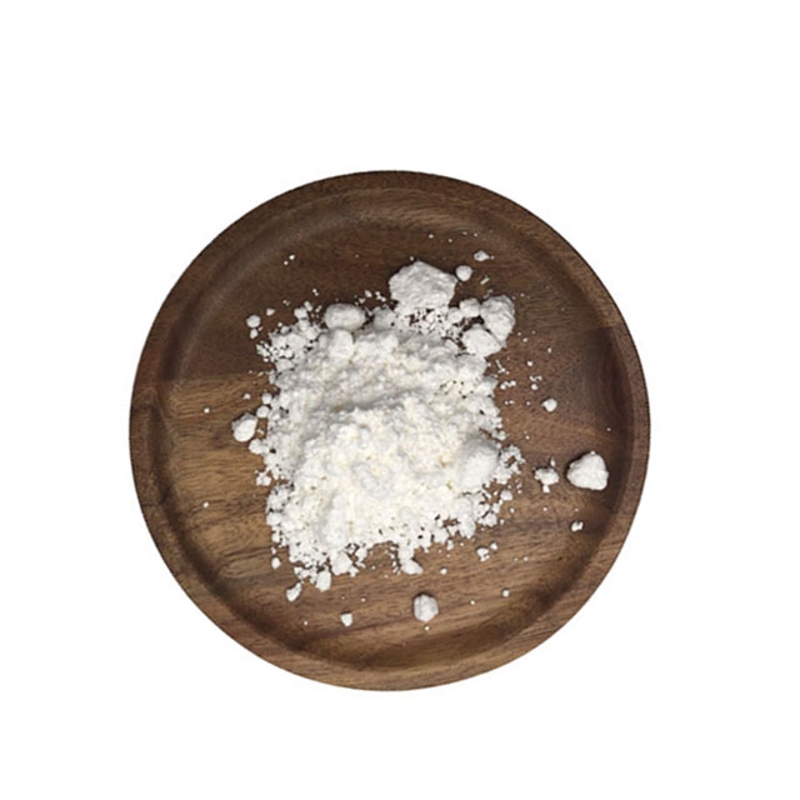


Indene
CAS No: 95-13-6
Formula: C9H8
Categories: Pharmaceutical Intermediates > Perfuming
-

High Quality 99% Purity of Indene CAS NO 95-13-6 ISO 9001:2005 REACH Verified Producer
Inquiry -

Indene
Inquiry -

Indene
$0.1/KG EXW
Inquiry -

Indene
Inquiry



Fluorenone
CAS No: 486-25-9
Formula: C13H8O
Categories: Pharmaceutical Intermediates > Bulk Drug Intermediates
-

9-Fluorenone
Inquiry -

9-Fluorenone
$0.1/KG EXW
Inquiry -

9-Fluorenone factory price
Inquiry -

9-Fluorenone 486-25-9
Inquiry


4,6-Dihydroxypyrimidine
CAS No: 1193-24-4
Formula: C4H4N2O2
Categories: Pharmaceutical Intermediates > Heterocyclic Compound


Doxorubicin
CAS No: 23214-92-8
Formula: C27H29NO11
Categories: Pharmaceutical Intermediates > Antineoplastics



N-Methylaniline
CAS No: 100-61-8
Formula: C7H9N
Categories: Pharmaceutical Intermediates > Bulk Drug Intermediates
-

N-Methylaniline 95% 100-61-8
$1.2/KG EXW
Inquiry -

High Quality 99% Purity of N-Methylaniline CAS NO 100-61-8 ISO 9001:2005 REACH Verified Producer
Inquiry -

N-Methylaniline | Pharmaceutical Grade | 99.99% Purity | 10mg 20mg 30mg Vials | Lyophilized Powder | CAS 100-61-8
Inquiry -

N- Methylaniline With High Purity
Inquiry



Acetyl chloride
CAS No: 75-36-5
Formula: C2H3ClO
Categories: Pharmaceutical Intermediates > Bulk Drug Intermediates
-

75-36-5 99% Clear colorless liquid Dideu
Inquiry -

Acetyl chloride 99% Clear colorless liquid LK-YRM
Inquiry -

Acetyl chloride
$0.1/KG EXW
Inquiry -

Acetyl chloride,CAS 75-36-5
Inquiry


2,6-Diaminopyridine
CAS No: 141-86-6
Formula: C5H7N3
Categories: Pharmaceutical Intermediates > Hair Dyeing


2-Amino-6-chloropurine
CAS No: 10310-21-1
Formula: C5H4ClN5
Categories: Pharmaceutical Intermediates > Antivirals


2-Amino-5-bromopyridine
CAS No: 1072-97-5
Formula: C5H5BrN2
Categories: Pharmaceutical Intermediates > Heterocyclic Compound
-

2-Amino-5-bromopyridine 99%
Inquiry -

2-Amino-5-bromopyridine
Inquiry -

2-Amino-5-bromopyridine CAS 1072-97-5 supply high quality fast delivery best service
Inquiry -

2-Amino-5-Bromopyridine 98% Purity CAS 1072-97-5 High Purity Brominated Aminopyridine Building Block for Suzuki Coupling, Heterocyclic Synthesis, and
$10-13/G FOB
Inquiry


960 Pharmaceutical Intermediates Suppliers
Short on time? Let Pharmaceutical Intermediates sellers contact you.
Acetyl-L-carnitine
CAS No: 3040-38-8
Formula: C9H17NO4
Categories: Pharmaceutical Intermediates > Bulk Drug Intermediates


4-Hydroxypyridine
CAS No: 626-64-2
Formula: C5H5NO
Categories: Pharmaceutical Intermediates > Heterocyclic Compound


2'-HYDROXYACETOPHENONE
CAS No: 104809-67-8
Formula: C8H8O2
Categories: Pharmaceutical Intermediates > Bulk Drug Intermediates
-

2-HYDROXYPHENYL METHYL KETONE
Inquiry -

high quality 2'-HYDROXYACETOPHENONE 99% transparent liquid KANBEI
Inquiry -

2'-HYDROXYACETOPHENONE
Inquiry -

2'-hydroxyacetophenone
Inquiry


1,4-Dioxane
CAS No: 54841-74-6
Formula: C4H8O2
Categories: Pharmaceutical Intermediates > Bulk Drug Intermediates
2-Amino-2-methyl-1-propanol
CAS No: 124-68-5
Formula: C4H11NO
Categories: Pharmaceutical Intermediates > Buffering


Methenolone enanthate
CAS No: 303-42-4
Formula: C27H42O3
Categories: Pharmaceutical Intermediates > Bulk Drug Intermediates
-

METHENOLONE ENANTHATE 10ml x 100 mg/ml/vial
$80-90/UNIT FOB
Inquiry -

Methenolone enanthate 303-42-4
Inquiry -

Methenolone enanthate
Inquiry -

Methenolone enanthate 303-42-4 CAS No.: 303-42-4
Inquiry



Benzo[b]thiophene
CAS No: 95-15-8
Formula: C8H6S
Categories: Pharmaceutical Intermediates > Heterocyclic Compound
-

Thianaphthene
Inquiry -

1-benzothiophene
Inquiry -

1-Benzothiophene
Inquiry -

Thianaphthene 99% high quality Professional thiofuran seires Producer Greenbo
Inquiry


D-Glucopyranose
CAS No: 2280-44-6
Formula: C6H12O6
Categories: Pharmaceutical Intermediates > Bulk Drug Intermediates
-

D-glucose
Inquiry -

D-glucopyranose
Inquiry -

D-glucose
Inquiry -

D-Glucopyranose
Inquiry

Butanedione
CAS No: 431-03-8
Formula: C4H6O2
Categories: Pharmaceutical Intermediates > Perfuming



5-Bromopyrimidine
CAS No: 4595-59-9
Formula: C4H3BrN2
Categories: Pharmaceutical Intermediates > Heterocyclic Compound


New Arrivals
Most Popular




People are searching
Pharmaceutical Intermediates Market
-
Cefazolin sodium salt:
825.0Yuan/kg - -
4-Aminophenol:
27.5Yuan/kg -
Amoxicillin:
295.0Yuan/mt -
Ampicillin:
295.0Yuan/mt
Frequently Asked Questions
You can evaluate a supplier by reviewing their certifications (such as GMP or ISO), production capabilities, years of experience, customer feedback, and the completeness of their technical documentation.
While pharmaceutical intermediates are not always regulated as strictly as APIs, many are still subject to quality and safety standards, especially when used for drug manufacturing. Buyers should confirm compliance with relevant local and international regulations.
Before purchasing, always check the product’s purity grade, moisture content, residual solvents, particle size (if applicable), packaging type, and shelf life. Supporting documents such as COA and SDS should also be reviewed carefully.
Selecting the right intermediate depends on its CAS number, purity, molecular structure, solubility, and stability. It is also important to ensure that the chosen compound matches your specific reaction pathway and regulatory requirements.
Yes. ECHEMI connects buyers with both manufacturers and trusted traders who can supply pharmaceutical intermediates in bulk quantities. Custom orders and long-term supply agreements can also be discussed directly with suppliers.
Pharmaceutical intermediates are chemical compounds used to produce active pharmaceutical ingredients (APIs). They are the "building blocks" or raw materials for the final API through various chemical reactions, such as oxidation, reduction, and condensation. Pharmaceutical intermediates can be organic or inorganic compounds with different shapes, sizes, and solubilities. Some common examples of pharmaceutical intermediates include amino acids, sugars, alcohols, esters, and halogenated compounds.
API, short for Active Pharmaceutical Ingredient, is part of a drug that produces its intended effects. It is the biologically active component of a pharmaceutical formulation.
Pharmaceutical intermediates are chemical compounds used as building blocks to synthesize APIs. They are the main substances that undergo further chemical reactions to produce the API.
So, the main difference between API and pharmaceutical intermediates is that an API is the final product for drugs, while pharmaceutical intermediates are the initial components of API.