




FDA to Nationwide Ban Brominated Vegetable Oil (BVO) in Food
The U.S. Food and Drug Administration (FDA) has announced its intention to revoke the regulation permitting the use of brominated vegetable oil (BVO) in food products. This decision follows California's recent ban on BVO as an ingredient. The FDA has concluded that the use of BVO in food can no longer be considered safe, based on research conducted in collaboration with the National Institutes of Health (NIH), which identified potential adverse health effects in humans.
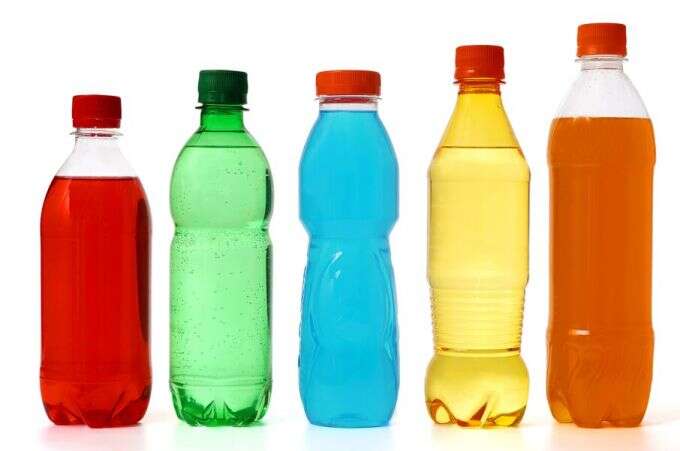
Brominated vegetable oil is a component found in approximately 70 sports drinks, sodas, and other food items. It is used to prevent the separation and floating of citrus flavorings in beverages, helping them mix evenly. BVO is a vegetable oil modified with bromine and was previously allowed in limited quantities by the FDA. In 1970, the FDA ceased recognizing BVO as "Generally Recognized as Safe" (GRAS) and began regulating its use as a food additive. Over time, many beverage manufacturers reformulated their products to replace BVO with alternative ingredients, resulting in very few beverages in the U.S. containing BVO today.
Brian Ronholm, food policy director at Consumer Reports, stated that "the evidence is clear that brominated vegetable oil in sodas and other beverages poses an unacceptable risk to our health." He expressed support for the FDA's decision to prohibit its use and applauded the passage of California's ingredient ban.
According to Consumer Reports, peer-reviewed studies conducted on rodents have linked BVO to various health issues, including neurological problems, thyroid, heart, and liver problems, as well as behavioral, developmental, and reproductive concerns. The European Union has also banned the use of BVO in food.
California's new law, effective in 2027, bans BVO along with Red Dye 3, potassium bromate, and propylparaben from food products sold within the state.
The FDA emphasized that its decision to prioritize the review of food chemicals is based on risk, scientific evidence, and regulatory authority. The agency's collaboration with the NIH has provided "conclusive scientific evidence" supporting the proposal to revoke the FDA's authorization for BVO as a food additive.
The FDA stated that it continuously reviews and assesses the safety of various food chemicals to ensure they meet safety standards, including all the ingredients covered by California's recent law. The agency is also reviewing regulations related to the use of FD&C Red No. 3 in ingested drugs and foods, with a forthcoming decision.
This FDA action is part of its ongoing efforts to ensure the safety of food additives based on the latest scientific research and risk assessments.

You May Interested In


2026-09-07
Trade Alert
Delivering the latest product trends and industry news straight to your inbox.
(We'll never share your email address with a third-party.)

Related News
-
First New UV Filter in Nearly 27 Years: BASF's Tinosorb® S Approved by FDA, Marking a Historic Shift for the U.S. Sunscreen Market
-
China’s Hybio Takes Generic Tirzepatide to FDA: Lilly’s GLP-1 Fortress Gets a Warning Shot
-
FDA approves bemotrizinol, a long-used UV filter, for U.S. sunscreens
-
FDA delays proposal to ban formaldehyde in hair straighteners
-
FDA Proposes Ban on Brominated Vegetable Oil Due to Health Risks
-
Can Florida's Authorization to Import Prescription Drugs from Canada Lower Medication Prices?
-
FDA Releases New Resources for Food Traceability Final Rule Compliance
-
IFSAC Unveils 2021 Report: Diverse Food Sources Linked to Salmonellosis Cases
-
FDA Proposes Nationwide Ban on Brominated Vegetable Oil (BVO) in Food Additives, Continues Safety Assessment of Chemicals
-
FDA Issues Warning to Produce Importer for Non-Compliance
Recommend Reading
-
![U.S. Formally Publishes India PFA Trade Cases, Raising New Barriers for Fluoropolymer Supply]()
U.S. Formally Publishes India PFA Trade Cases, Raising New Barriers for Fluoropolymer Supply
-
![China’s New Food-Contact Standards Take Effect, Resetting Compliance for Coatings and Silicone Rubber]()
China’s New Food-Contact Standards Take Effect, Resetting Compliance for Coatings and Silicone Rubber
-
![EAEU Initiates Review of Anti-Dumping Measures on Chinese Titanium Dioxide, Suspends Duties During Investigation]()
EAEU Initiates Review of Anti-Dumping Measures on Chinese Titanium Dioxide, Suspends Duties During Investigation
-
![FDA Color Policy Uncertainty Opens a New Chapter for Food Ingredient Reform]()
FDA Color Policy Uncertainty Opens a New Chapter for Food Ingredient Reform
-
![FDA Lifts Administrative Stay, Restoring Red No. 3 Ban Timeline for Food and Ingested Drugs]()
FDA Lifts Administrative Stay, Restoring Red No. 3 Ban Timeline for Food and Ingested Drugs
-
![Business Society’s Market Outlook for Acrylic Acid on August 13, 2026: Strong Consolidation]()
Business Society’s Market Outlook for Acrylic Acid on August 13, 2026: Strong Consolidation
-
![Business Society’s August 27, 2026 Melamine Market Outlook: Clearly Upward Trend]()
Business Society’s August 27, 2026 Melamine Market Outlook: Clearly Upward Trend
-
![Crude Oil Prices Rise, Local Refinery Gas and Diesel Prices in China Increase Slightly]()
Crude Oil Prices Rise, Local Refinery Gas and Diesel Prices in China Increase Slightly
-
![Business Society’s September 2, 2026 Acrylonitrile Market Outlook: Resistant to Decline]()
Business Society’s September 2, 2026 Acrylonitrile Market Outlook: Resistant to Decline
-
![Business Society August 11, 2026 Isodecanol Market View: Clear Increase]()
Business Society August 11, 2026 Isodecanol Market View: Clear Increase






- Hot Searches
- dichlorometane
- nsi 189 price
- disodium octaborate tetrahydrate distributor
- fenbendazole and ivermectin for sale
- urea fertilizer price
- where to get retatrutide peptide
- formic acid price
- buy 2cb online
- retatrutide buy online
- betaine+skincare+supplier
- ammonia price index
- butyl acetate for sale