How to Make Potash: A DIY Guide for You To Try
You might be surprised to learn that making potash at home is actually quite simple. For centuries, people used it to make soap, treat fabrics, and enrich soil long before modern fertilizers or chemical cleaners existed. Today, homemade potash remains a natural, low-cost alternative to many commercial products — and you can make it with just a few basic materials.
What Is Potash, Really?
Potash is a natural source of potassium, an essential nutrient for both plants and people. It’s most often made from the ashes of burned wood or plants. Historically, families would collect ash from their fireplaces and turn it into potash for everyday use — softening laundry, preserving soap, or feeding garden soil.
In the garden, potash helps plants grow stronger roots and resist disease. Some people even sprinkle it lightly around vegetables or flower beds to keep insects away. When used carefully, it’s an eco-friendly substitute for chemical fertilizers and pesticides.
What You’ll Need
To make a small batch of potash, gather:
-
Clean, dry wood ash (from hardwoods, not soft pine or treated wood)
-
Water
-
Optional: a little animal manure to enrich the mix
-
A large metal or heatproof container
-
A fire pit or stove
Step-by-Step: Making Potash
1. Burn the wood.
Start by burning hardwood in a controlled area — a fire pit, metal drum, or enclosed stove works best. Let it burn for at least two hours, until only light-gray ash remains. Avoid burning twigs and leaves, which produce darker ash that’s less pure.
2. Mix the ash with water.
Once your ash has cooled, scoop about half of it into a bucket or large pot. Add water slowly, stirring as you go. Then add the rest of the ash, mixing until you have a thick, muddy paste. If you want a stronger mixture, stir in a bit of animal manure and let it sit overnight.
3. Strain the liquid.
After soaking, pour the mix through a fine mesh or cloth to remove solid bits. The brownish liquid that drains out is liquid potash lye, which can be dried down or used as is, depending on what you need it for.
4. Dry it (optional).
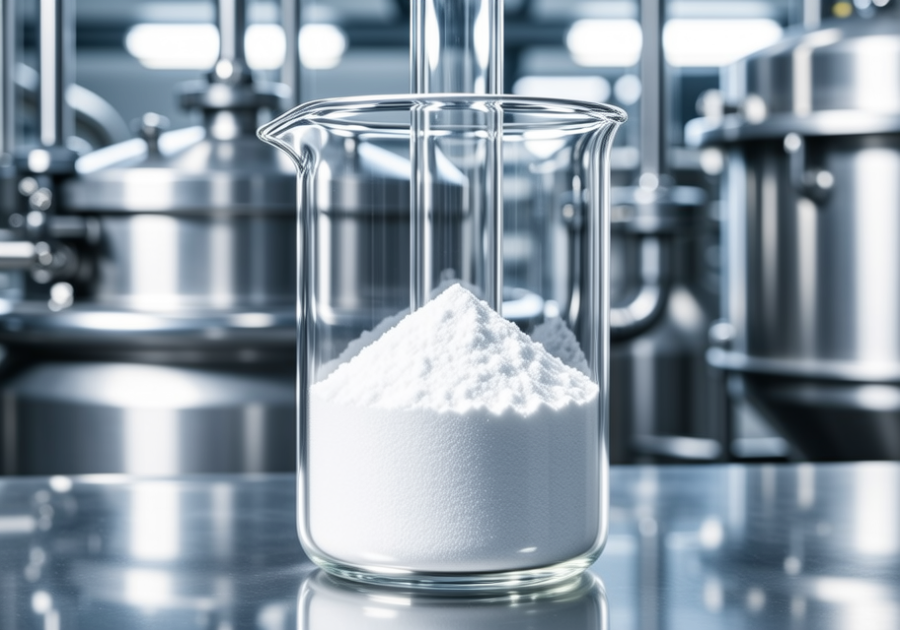
If you want solid potash, gently heat the liquid until the water evaporates. What’s left is a crumbly, white-gray substance — pure potash.
Ways to Use Homemade Potash
-
As a fertilizer: Sprinkle a small amount around fruit trees or vegetable beds. It enriches the soil with potassium and encourages flowering.
-
As a natural pest repellent: Dust a thin layer near the garden edge or on leaves where bugs gather.
-
In soap making: Combine it with fat or oil to create soft, traditional soap.
-
For cleaning: A diluted solution works as a mild, alkaline cleaner for tough stains.
Why Use Potash Instead of Chemical Fertilizer?
Potash is simple, sustainable, and free of harsh chemicals.
-
It’s renewable — you can make more every time you burn clean wood.
-
It’s nontoxic when used properly.
-
It’s affordable, especially if you already have wood ash at home.
-
It won’t create harmful runoff or pollute groundwater.
-
It’s easy to apply directly to soil or mix into compost.
A Few Cautions
Even natural ingredients can be overused. Potash is rich in potassium, which is healthy in small amounts but can cause problems if you add too much.
-
In soil, excess potash may make the ground too alkaline, slowing plant growth.
-
In people or animals, consuming too much potassium can lead to hyperkalemia, a serious heart condition.
Always wear gloves when handling potash and use it sparingly. A handful or two per square meter of soil is plenty for most gardens.
In Short
Making potash is a simple, rewarding way to turn waste into something useful. With nothing more than wood ash, water, and a little patience, you can produce a natural fertilizer, cleaner, and soap ingredient that’s been trusted for generations.
It’s old wisdom that still works — proof that sometimes, the simplest chemistry happens right in your backyard.
Looking for chemical products? Let suppliers reach out to you!
You May Interested In


SS-31 Cosmetic peptides, discounted price improving cognitive impairment factory supply
$8E+1/UNIT FOB


2026-09-21
Trade Alert
Delivering the latest product trends and industry news straight to your inbox.
(We'll never share your email address with a third-party.)

Related News
-
Inquiries are increasing, and the potash fertilizer market is gradually benefiting
-
Sharp Decline in Profits for Chemical Manufacturing in First Eight Months
-
The chemical market is dominated by weakness and fluctuation
-
Seawater to Freshwater: The Electrolysis of Molten Caustic Potash
-
The power shortage crisis in many parts of China and the shutdown of manufacturing industries have had an impact on the chemical industry and foreign trade.
-
In the First Five Months, the Profit of Chemical Raw Materials and Products Manufacturing Industry Increased by 13.8%
-
Manufacturing Prices of Chemical Raw Materials and Products in May Rose 13.6% Year-on-year and 0.6% Month-on-month
-
Another Increase! Wanhua Raises Prices Of 4 Water-Based Products, Up To 5,000 CNY/ton
-
Four National Chemical Industry Chains! Strengthening The Bones Of Green Chemical Development
-
Crude Oil Ups And Downs, But PVC At The Mercy Of Futures?
Recommend Reading
-
![What Color Should a Zinc-Copper Couple Be?]()
What Color Should a Zinc-Copper Couple Be?
-
Polysorbate 80: Food Additive, Medical Use, and Safety
-
![Acesulfame Potassium: Safety, Side Effects, and Food Uses]()
Acesulfame Potassium: Safety, Side Effects, and Food Uses
-
![Understanding the Arsenate Symbol and Its Uses]()
Understanding the Arsenate Symbol and Its Uses
-
![Zoledronic Acid: Uses, Mechanism, and Side Effects]()
Zoledronic Acid: Uses, Mechanism, and Side Effects
-
![Business Society’s Market Outlook for MIBK on August 28, 2026: Tending to Stronger Performance]()
Business Society’s Market Outlook for MIBK on August 28, 2026: Tending to Stronger Performance
-
![Ethanol Market Prices Slightly Decline]()
Ethanol Market Prices Slightly Decline
-
![August Ethyl Acetate Market Fluctuates within a Range in China]()
August Ethyl Acetate Market Fluctuates within a Range in China
-
![August Adipic Acid Market Picks Up]()
August Adipic Acid Market Picks Up
-
![Bullish Factors Remain, May Palm Oil Prices Expected to Rise in China]()
Bullish Factors Remain, May Palm Oil Prices Expected to Rise in China