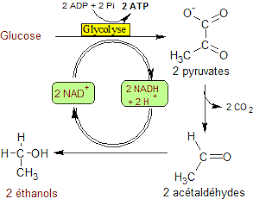
Homolactic fermentation or homofermentation produces 2 molecules of lactic acid and 2 molecules of ATP per glucose molecule while heterolactic fermentation or heterofermentation produces 1 molecule of lactic acid, 1 molecule of ethanol and 1 molecule of carbon dioxide per glucose. In other words, homofermentation produces more lactic acid and energy from glucose than heterofermentation where other waste products are produced instead of lactic acid as well as less energy is derived from the process. Hope this helps.
Homolactic fermentation or homofermentation produces 2 molecules of lactic acid and 2 molecules of ATP per glucose molecule while heterolactic fermentation or heterofermentation produces 1 molecule of lactic acid, 1 molecule of ethanol and 1 molecule of carbon dioxide per glucose. In other words, homofermentation produces more lactic acid and energy from glucose than heterofermentation where other waste products are produced instead of lactic acid as well as less energy is derived from the process. Hope this helps.
Amtonie has given a fairly good answer to your question. However, to simply explain this in brief: homolactactate fermentation would yield high lactic acid where as in heterolactic fermentation you would get other acids may be in significant quantity along with lactate like, acetic acid, oxalic, itaconic acid etc. Usually the coliforms are heterolactate fermenters.
Amtonie has given a fairly good answer to your question. However, to simply explain this in brief: homolactactate fermentation would yield high lactic acid where as in heterolactic fermentation you would get other acids may be in significant quantity along with lactate like, acetic acid, oxalic, itaconic acid etc. Usually the coliforms are heterolactate fermenters.


https://www.fermentec.com.br/pub_arq/2014/homo_and_heterofermentative.pdf
https://www.fermentec.com.br/pub_arq/2014/homo_and_heterofermentative.pdf
More
VOTE
https://www.quora.com/What-is-the-difference-between-homofermentative-lactic-acid-bacteria-and-heterofermentative-lactic-acid-bacteria
https://www.quora.com/What-is-the-difference-between-homofermentative-lactic-acid-bacteria-and-heterofermentative-lactic-acid-bacteria
More
VOTE
Homolactic fermentation or homofermentation produces 2 molecules of lactic acid and 2 molecules of ATP per glucose molecule while heterolactic fermentation or heterofermentation produces 1 molecule of lactic acid, 1 molecule of ethanol and 1 molecule of carbon dioxide per glucose. In other words, homofermentation produces more lactic acid and energy from glucose than heterofermentation where other waste products are produced instead of lactic acid as well as less energy is derived from the process. Hope this helps.
Homolactic fermentation or homofermentation produces 2 molecules of lactic acid and 2 molecules of ATP per glucose molecule while heterolactic fermentation or heterofermentation produces 1 molecule of lactic acid, 1 molecule of ethanol and 1 molecule of carbon dioxide per glucose. In other words, homofermentation produces more lactic acid and energy from glucose than heterofermentation where other waste products are produced instead of lactic acid as well as less energy is derived from the process. Hope this helps.
More
VOTE
Amtonie has given a fairly good answer to your question. However, to simply explain this in brief: homolactactate fermentation would yield high lactic acid where as in heterolactic fermentation you would get other acids may be in significant quantity along with lactate like, acetic acid, oxalic, itaconic acid etc. Usually the coliforms are heterolactate fermenters.
Amtonie has given a fairly good answer to your question. However, to simply explain this in brief: homolactactate fermentation would yield high lactic acid where as in heterolactic fermentation you would get other acids may be in significant quantity along with lactate like, acetic acid, oxalic, itaconic acid etc. Usually the coliforms are heterolactate fermenters.
More
VOTE