Home >
Community >
Can a use of Demineralized water with PH of 5 to 6 to clean...
Upvote
22
Downvote
+ Conductivity
+ Water
+ Cleaning
+ Aluminum
+ Aluminum oxide
+ Water purification
+ Corrosion
+ Water technology
Posted by
Na'il
Can a use of Demineralized water with PH of 5 to 6 to clean...
Dear sir Ashish Thakur thank you for you valuable suggestion, but i am wondering that, i visited a aluminum alloy manufacturer, and they were using the DM water with PH of 5.5 for Pre treatment process before the painting, and they are OK with it! and if it is not OK, then how much time does it take to react?
Dear sir Ashish Thakur thank you for you valuable suggestion, but i am wondering that, i visited a aluminum alloy manufacturer, and they were using the DM water with PH of 5.5 for Pre treatment process before the painting, and they are OK with it! and if it is not OK, then how much time does it take to react?
Demineralised water should have a pH close to 7, there must be some other chemical in solution (for example an acid) that cause the drop of the pH to an acidic range of 5-6! Therefore, if the cleaning is for prolonged periods of time and regular in nature, then I would avoid using this demineralised water as it will cause corrosion or at least surface discolouration.
Demineralised water should have a pH close to 7, there must be some other chemical in solution (for example an acid) that cause the drop of the pH to an acidic range of 5-6! Therefore, if the cleaning is for prolonged periods of time and regular in nature, then I would avoid using this demineralised water as it will cause corrosion or at least surface discolouration.
the protective oxide film of aluminum is only stable in a pH range of 4.5 -8.5. However, many process solutions intentionally exceed this pH range for the purpose of cleaning, metal removal and subsequent smut removal. These process solutions are formulated so as not to cause deleterious pitting or preferential etching. However, the susceptibility of aluminum to pitting depends on many extraneous factors, such as chloride ion concentration, pH control and initial surface condition.
the protective oxide film of aluminum is only stable in a pH range of 4.5 -8.5. However, many process solutions intentionally exceed this pH range for the purpose of cleaning, metal removal and subsequent smut removal. These process solutions are formulated so as not to cause deleterious pitting or preferential etching. However, the susceptibility of aluminum to pitting depends on many extraneous factors, such as chloride ion concentration, pH control and initial surface condition.
pH of DM water on aluminum finishing lines is usually in range of 5.5-5.7. The water with this pH can't cause corrosion. Most of aluminum alloys, except 7XXX and 2XXX can stay in DM water with this pH range for long time. It is a normal case on big multi-processes aluminum finishing lines to use the bathes with DM water as a buffer. However, it is important to control chlorine concentration in the bath. It should not exceed 100 ppm. On other side, conductivity of your water is relative high for DM water. Usually, it should not be higher than 100 μs/cm for general industry and 50 for aerospace finishing. DM water with electrical conductivity 100-150 μs/cm might attack 7XXX alloys, for example 7075 or 7175.
pH of DM water on aluminum finishing lines is usually in range of 5.5-5.7. The water with this pH can't cause corrosion. Most of aluminum alloys, except 7XXX and 2XXX can stay in DM water with this pH range for long time. It is a normal case on big multi-processes aluminum finishing lines to use the bathes with DM water as a buffer. However, it is important to control chlorine concentration in the bath. It should not exceed 100 ppm. On other side, conductivity of your water is relative high for DM water. Usually, it should not be higher than 100 μs/cm for general industry and 50 for aerospace finishing. DM water with electrical conductivity 100-150 μs/cm might attack 7XXX alloys, for example 7075 or 7175.
Dear sir Pierluigi Traverso Thank you for your suggestion and the link you shared is really useful to me, i will surely observe the point has highlighted regarding the aluminum corrosion in paper.
Dear sir Pierluigi Traverso Thank you for your suggestion and the link you shared is really useful to me, i will surely observe the point has highlighted regarding the aluminum corrosion in paper.
The Corrosion Resistance of Aluminum which is stable in aqueous media when the pH is between about 4.0 and 8.5.
Acids and bases break down the oxide layer, thereby opening up the raw aluminium surface. If aluminium is exposed to very strong acid or alkaline environments outside the pH range 4 to 9, violent corrosion will occur in the form of metal pitting. Bases break down the aluminium faster than acids - for example concentrated caustic soda reacts so violently with aluminium that it can start to boil. The oxide film is naturally self-renewing and accidental abrasion or other mechanical damage of the surface film is rapidly repaired
Aluminum corrodes but it does not rust. However, aluminum corrosion is aluminum oxide, a very hard material that actually protects the aluminum from further corrosion. Aluminum oxide corrosion also looks a lot more like aluminum(dull gray to powdery white in color), so it isn't as easy to notice as rusted iron.
An acidic pH (below 7) can cause acid corrosion. Demineralization removes mineral ions (i.e. solids) from water, but is incapable of removing gasses. When CO2 dissolves in demineralized water, forming carbonic acid, the pH of the water drops (typically to about 5 or 6). Ultra pure waters, both demineralised or distilled, in the attempt of compensating their ionic imbalance, are particularly greedy for gases as O2 or CO2. However, demineralised water is advantageous as not fouling at all and presenting very low salinity.
The Corrosion Resistance of Aluminum which is stable in aqueous media when the pH is between about 4.0 and 8.5.
Acids and bases break down the oxide layer, thereby opening up the raw aluminium surface. If aluminium is exposed to very strong acid or alkaline environments outside the pH range 4 to 9, violent corrosion will occur in the form of metal pitting. Bases break down the aluminium faster than acids - for example concentrated caustic soda reacts so violently with aluminium that it can start to boil. The oxide film is naturally self-renewing and accidental abrasion or other mechanical damage of the surface film is rapidly repaired
Aluminum corrodes but it does not rust. However, aluminum corrosion is aluminum oxide, a very hard material that actually protects the aluminum from further corrosion. Aluminum oxide corrosion also looks a lot more like aluminum(dull gray to powdery white in color), so it isn't as easy to notice as rusted iron.
An acidic pH (below 7) can cause acid corrosion. Demineralization removes mineral ions (i.e. solids) from water, but is incapable of removing gasses. When CO2 dissolves in demineralized water, forming carbonic acid, the pH of the water drops (typically to about 5 or 6). Ultra pure waters, both demineralised or distilled, in the attempt of compensating their ionic imbalance, are particularly greedy for gases as O2 or CO2. However, demineralised water is advantageous as not fouling at all and presenting very low salinity.
Manufacturers they do not follow the guideline. In Most of the case there is no effect of water on aluminum, aluminum itself makes protective film, there is no harm with water. Thats why they are lenient to use it.
Scientifically, If I analyze use of DM water, Ph range to 4.0 to 8.5, they are corrosion resistant as I have written in my answer. Yes If it goes above 9 example caustic or sodium brine or simple caustic 42% , it reacts vigorous, and SEM analysis depicts a plenty of pits on the aluminum surface. Why I said to avoid, just read my statement, Demineralization removes mineral ions (i.e. solids) from water, but is incapable of removing gasses(just note here, DM does not remove gases) When CO2(from where??? it is from atmosphere or from plant processing itself- dissolves in demineralized water, forming carbonic acid, the pH of the water drops (typically to about 5 or 6) as DM are particularly greedy for gases as O2(atmospheric oxide or dissolved oxygen depletion both could be possible) or CO2 . thats why DM is not preferred to use. Please read two there time to understand the statement.
Hope you get my answer. read carefully again.....my brother. It will be helpful to you.
Manufacturers they do not follow the guideline. In Most of the case there is no effect of water on aluminum, aluminum itself makes protective film, there is no harm with water. Thats why they are lenient to use it.
Scientifically, If I analyze use of DM water, Ph range to 4.0 to 8.5, they are corrosion resistant as I have written in my answer. Yes If it goes above 9 example caustic or sodium brine or simple caustic 42% , it reacts vigorous, and SEM analysis depicts a plenty of pits on the aluminum surface. Why I said to avoid, just read my statement, Demineralization removes mineral ions (i.e. solids) from water, but is incapable of removing gasses(just note here, DM does not remove gases) When CO2(from where??? it is from atmosphere or from plant processing itself- dissolves in demineralized water, forming carbonic acid, the pH of the water drops (typically to about 5 or 6) as DM are particularly greedy for gases as O2(atmospheric oxide or dissolved oxygen depletion both could be possible) or CO2 . thats why DM is not preferred to use. Please read two there time to understand the statement.
Hope you get my answer. read carefully again.....my brother. It will be helpful to you.



Dear sir Ashish Thakur
thank you for you valuable suggestion, but i am wondering that, i visited a aluminum alloy manufacturer, and they were using the DM water with PH of 5.5 for Pre treatment process before the painting, and they are OK with it!
and if it is not OK, then how much time does it take to react?
Regards
Nirmal Pandavadra.
Dear sir Ashish Thakur
thank you for you valuable suggestion, but i am wondering that, i visited a aluminum alloy manufacturer, and they were using the DM water with PH of 5.5 for Pre treatment process before the painting, and they are OK with it!
and if it is not OK, then how much time does it take to react?
Regards
Nirmal Pandavadra.
More
VOTE
Demineralised water should have a pH close to 7, there must be some other chemical in solution (for example an acid) that cause the drop of the pH to an acidic range of 5-6! Therefore, if the cleaning is for prolonged periods of time and regular in nature, then I would avoid using this demineralised water as it will cause corrosion or at least surface discolouration.
Demineralised water should have a pH close to 7, there must be some other chemical in solution (for example an acid) that cause the drop of the pH to an acidic range of 5-6! Therefore, if the cleaning is for prolonged periods of time and regular in nature, then I would avoid using this demineralised water as it will cause corrosion or at least surface discolouration.
More
VOTE
Dear Dr. Nirmal Pandavadra ,
the protective oxide film of aluminum is only stable in a pH range of 4.5 -8.5. However, many process solutions intentionally exceed this pH range for the purpose of cleaning, metal removal and subsequent smut removal. These process solutions are formulated so as not to cause deleterious pitting or preferential etching. However, the susceptibility of aluminum to pitting depends on many extraneous factors, such as chloride ion concentration, pH control and initial surface condition.
For more details, please see the source:
Aluminum Surface Finishing Corrosion Causes and Troubleshooting
Available at: https://www.pfonline.com/articles/aluminum-surface-finishing-corrosion-causes-and-troubleshooting
Best regards, Pierluigi Traverso
Dear Dr. Nirmal Pandavadra ,
the protective oxide film of aluminum is only stable in a pH range of 4.5 -8.5. However, many process solutions intentionally exceed this pH range for the purpose of cleaning, metal removal and subsequent smut removal. These process solutions are formulated so as not to cause deleterious pitting or preferential etching. However, the susceptibility of aluminum to pitting depends on many extraneous factors, such as chloride ion concentration, pH control and initial surface condition.
For more details, please see the source:
Aluminum Surface Finishing Corrosion Causes and Troubleshooting
Available at: https://www.pfonline.com/articles/aluminum-surface-finishing-corrosion-causes-and-troubleshooting
Best regards, Pierluigi Traverso
More
VOTE
pH of DM water on aluminum finishing lines is usually in range of 5.5-5.7. The water with this pH can't cause corrosion. Most of aluminum alloys, except 7XXX and 2XXX can stay in DM water with this pH range for long time. It is a normal case on big multi-processes aluminum finishing lines to use the bathes with DM water as a buffer. However, it is important to control chlorine concentration in the bath. It should not exceed 100 ppm.
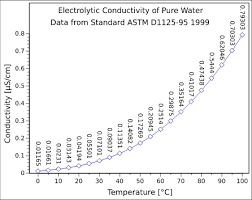
On other side, conductivity of your water is relative high for DM water. Usually, it should not be higher than 100 μs/cm for general industry and 50 for aerospace finishing. DM water with electrical conductivity 100-150 μs/cm might attack 7XXX alloys, for example 7075 or 7175.
pH of DM water on aluminum finishing lines is usually in range of 5.5-5.7. The water with this pH can't cause corrosion. Most of aluminum alloys, except 7XXX and 2XXX can stay in DM water with this pH range for long time. It is a normal case on big multi-processes aluminum finishing lines to use the bathes with DM water as a buffer. However, it is important to control chlorine concentration in the bath. It should not exceed 100 ppm.
On other side, conductivity of your water is relative high for DM water. Usually, it should not be higher than 100 μs/cm for general industry and 50 for aerospace finishing. DM water with electrical conductivity 100-150 μs/cm might attack 7XXX alloys, for example 7075 or 7175.
More
VOTE
Dear sir Pierluigi Traverso
Thank you for your suggestion and the link you shared is really useful to me,
i will surely observe the point has highlighted regarding the aluminum corrosion in paper.
Regards
Nirmal Pandavadra.
Dear sir Pierluigi Traverso
Thank you for your suggestion and the link you shared is really useful to me,
i will surely observe the point has highlighted regarding the aluminum corrosion in paper.
Regards
Nirmal Pandavadra.
More
VOTE
Dear Nirmal,
The Corrosion Resistance of Aluminum which is stable in aqueous media when the pH is between about 4.0 and 8.5.
Acids and bases break down the oxide layer, thereby opening up the raw aluminium surface. If aluminium is exposed to very strong acid or alkaline environments outside the pH range 4 to 9, violent corrosion will occur in the form of metal pitting. Bases break down the aluminium faster than acids - for example concentrated caustic soda reacts so violently with aluminium that it can start to boil. The oxide film is naturally self-renewing and accidental abrasion or other mechanical damage of the surface film is rapidly repaired
Aluminum corrodes but it does not rust. However, aluminum corrosion is aluminum oxide, a very hard material that actually protects the aluminum from further corrosion. Aluminum oxide corrosion also looks a lot more like aluminum(dull gray to powdery white in color), so it isn't as easy to notice as rusted iron.
An acidic pH (below 7) can cause acid corrosion. Demineralization removes mineral ions (i.e. solids) from water, but is incapable of removing gasses. When CO2 dissolves in demineralized water, forming carbonic acid, the pH of the water drops (typically to about 5 or 6). Ultra pure waters, both demineralised or distilled, in the attempt of compensating their ionic imbalance, are particularly greedy for gases as O2 or CO2. However, demineralised water is advantageous as not fouling at all and presenting very low salinity.
I would suggest avoid demoralized water.
Hope it is helpful to you.
Ashish
Dear Nirmal,
The Corrosion Resistance of Aluminum which is stable in aqueous media when the pH is between about 4.0 and 8.5.
Acids and bases break down the oxide layer, thereby opening up the raw aluminium surface. If aluminium is exposed to very strong acid or alkaline environments outside the pH range 4 to 9, violent corrosion will occur in the form of metal pitting. Bases break down the aluminium faster than acids - for example concentrated caustic soda reacts so violently with aluminium that it can start to boil. The oxide film is naturally self-renewing and accidental abrasion or other mechanical damage of the surface film is rapidly repaired
Aluminum corrodes but it does not rust. However, aluminum corrosion is aluminum oxide, a very hard material that actually protects the aluminum from further corrosion. Aluminum oxide corrosion also looks a lot more like aluminum(dull gray to powdery white in color), so it isn't as easy to notice as rusted iron.
An acidic pH (below 7) can cause acid corrosion. Demineralization removes mineral ions (i.e. solids) from water, but is incapable of removing gasses. When CO2 dissolves in demineralized water, forming carbonic acid, the pH of the water drops (typically to about 5 or 6). Ultra pure waters, both demineralised or distilled, in the attempt of compensating their ionic imbalance, are particularly greedy for gases as O2 or CO2. However, demineralised water is advantageous as not fouling at all and presenting very low salinity.
I would suggest avoid demoralized water.
Hope it is helpful to you.
Ashish
More
VOTE
Dear Nirmal,
Manufacturers they do not follow the guideline. In Most of the case there is no effect of water on aluminum, aluminum itself makes protective film, there is no harm with water. Thats why they are lenient to use it.
Scientifically, If I analyze use of DM water, Ph range to 4.0 to 8.5, they are corrosion resistant as I have written in my answer. Yes If it goes above 9 example caustic or sodium brine or simple caustic 42% , it reacts vigorous, and SEM analysis depicts a plenty of pits on the aluminum surface.
Why I said to avoid, just read my statement, Demineralization removes mineral ions (i.e. solids) from water, but is incapable of removing gasses(just note here, DM does not remove gases) When CO2(from where??? it is from atmosphere or from plant processing itself- dissolves in demineralized water, forming carbonic acid, the pH of the water drops (typically to about 5 or 6) as DM are particularly greedy for gases as O2(atmospheric oxide or dissolved oxygen depletion both could be possible) or CO2 . thats why DM is not preferred to use.
Please read two there time to understand the statement.
Hope you get my answer. read carefully again.....my brother. It will be helpful to you.
Ashish
Dear Nirmal,
Manufacturers they do not follow the guideline. In Most of the case there is no effect of water on aluminum, aluminum itself makes protective film, there is no harm with water. Thats why they are lenient to use it.
Scientifically, If I analyze use of DM water, Ph range to 4.0 to 8.5, they are corrosion resistant as I have written in my answer. Yes If it goes above 9 example caustic or sodium brine or simple caustic 42% , it reacts vigorous, and SEM analysis depicts a plenty of pits on the aluminum surface.
Why I said to avoid, just read my statement, Demineralization removes mineral ions (i.e. solids) from water, but is incapable of removing gasses(just note here, DM does not remove gases) When CO2(from where??? it is from atmosphere or from plant processing itself- dissolves in demineralized water, forming carbonic acid, the pH of the water drops (typically to about 5 or 6) as DM are particularly greedy for gases as O2(atmospheric oxide or dissolved oxygen depletion both could be possible) or CO2 . thats why DM is not preferred to use.
Please read two there time to understand the statement.
Hope you get my answer. read carefully again.....my brother. It will be helpful to you.
Ashish
More
VOTE