Given the fact that you have RNA and ADT data (probably on the same set of cells), some colnames (which represent individual cells) would be duplicated. Normally duplicated colnames are tolerated with matrices and sparse matrices, however, Seurat apparently does not do so, below is from the ?CreateAssayObject:
Details
Non-unique cell or feature names are not allowed. Please make unique before calling this function.
Possible solution to your problem: Seuart has a dedicated vignette for working with multimodal data and as you would see you will need to initiate your Seurat object with one matrix per assay: RNA and ADT. All you need to do is split your matrix into RNA and ADT, create your Seurat object with RNA data and then add the ADT data with:
Given the fact that you have RNA and ADT data (probably on the same set of cells), some colnames (which represent individual cells) would be duplicated. Normally duplicated colnames are tolerated with matrices and sparse matrices, however, Seurat apparently does not do so, below is from the ?CreateAssayObject:
DetailsNon-unique cell or feature names are not allowed. Please make unique before calling this function.
Possible solution to your problem: Seuart has a dedicated vignette for working with multimodal data and as you would see you will need to initiate your Seurat object with one matrix per assay: RNA and ADT. All you need to do is split your matrix into RNA and ADT, create your Seurat object with RNA data and then add the ADT data with:



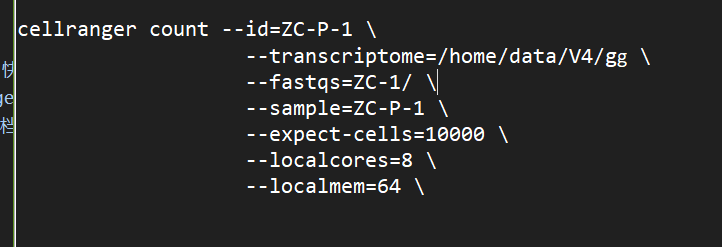
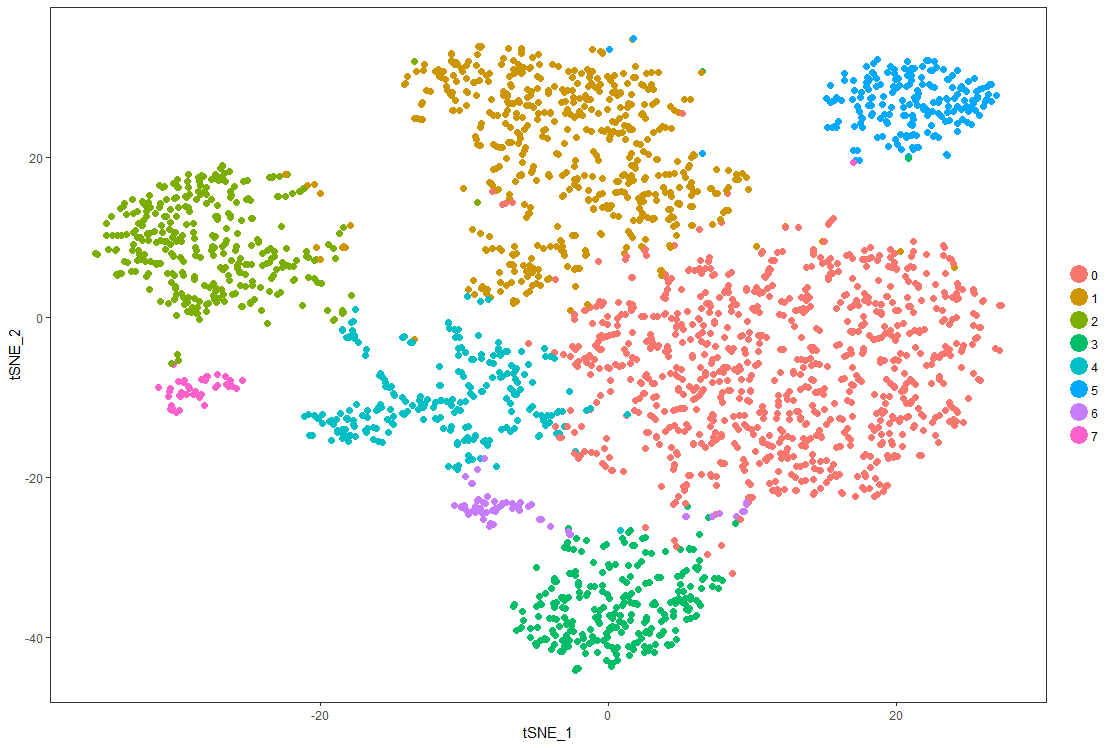
I don't know if you solved the problem. Howerver,I think it's caused by multiple data types.
For output from CellRanger >= 3.0 with multiple data types
This step creates multiple matrices, depending on how many types of data there are.
So (counts = data$
Gene Expression),You should also be able to choose the type of research you want to do.I hope my answer will help some people.
I don't know if you solved the problem. Howerver,I think it's caused by multiple data types.
For output from CellRanger >= 3.0 with multiple data types
This step creates multiple matrices, depending on how many types of data there are.
So (counts = data$
Gene Expression),You should also be able to choose the type of research you want to do.I hope my answer will help some people.
More
VOTE
Given the fact that you have RNA and ADT data (probably on the same set of cells), some colnames (which represent individual cells) would be duplicated. Normally duplicated colnames are tolerated with matrices and sparse matrices, however, Seurat apparently does not do so, below is from the
?CreateAssayObject:Possible solution to your problem: Seuart has a dedicated vignette for working with multimodal data and as you would see you will need to initiate your Seurat object with one matrix per assay: RNA and ADT. All you need to do is split your matrix into RNA and ADT, create your Seurat object with RNA data and then add the ADT data with:
seurat_obj_with_rna_only[["ADT"]] <- CreateAssayObject(counts = your_adt_matrix)For efficiency, Seurat uses sparse matrices so don't forget to convert your data matrices to sparse.
Given the fact that you have RNA and ADT data (probably on the same set of cells), some colnames (which represent individual cells) would be duplicated. Normally duplicated colnames are tolerated with matrices and sparse matrices, however, Seurat apparently does not do so, below is from the
?CreateAssayObject:Possible solution to your problem: Seuart has a dedicated vignette for working with multimodal data and as you would see you will need to initiate your Seurat object with one matrix per assay: RNA and ADT. All you need to do is split your matrix into RNA and ADT, create your Seurat object with RNA data and then add the ADT data with:
seurat_obj_with_rna_only[["ADT"]] <- CreateAssayObject(counts = your_adt_matrix)For efficiency, Seurat uses sparse matrices so don't forget to convert your data matrices to sparse.
More
VOTE