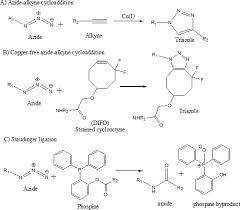
Do you really mean carbamate, or is it amide? I think you need a not so reactive acylating agent to maximize the selectivity for the aliphatic amino-group, perhaps an acylazide? A more complicated way would be to diazotize the aromatic aminogroup with nitrite at a pH that completely protonate the aliphatic amine but not the aromatic one, I have used TFA as acid. Then you add sodium azide so you get the aromatic azide. You can then acylate the aliphatic aminogroup and reduce the azide with Ph3P. This is a longer route but the steps give good yield in many cases.
Do you really mean carbamate, or is it amide? I think you need a not so reactive acylating agent to maximize the selectivity for the aliphatic amino-group, perhaps an acylazide? A more complicated way would be to diazotize the aromatic aminogroup with nitrite at a pH that completely protonate the aliphatic amine but not the aromatic one, I have used TFA as acid. Then you add sodium azide so you get the aromatic azide. You can then acylate the aliphatic aminogroup and reduce the azide with Ph3P. This is a longer route but the steps give good yield in many cases.
I have done it successfully, but it was never published, many years ago. If it is a good way in this case depends on how the rest of the molecule looks.
I have done it successfully, but it was never published, many years ago. If it is a good way in this case depends on how the rest of the molecule looks.
that diazotization sounds tough. It may react with the electron rich un-diazotized benzene rings and give you an awful dye tar. Even if you can avoid that its a tough pH balance.
that diazotization sounds tough. It may react with the electron rich un-diazotized benzene rings and give you an awful dye tar. Even if you can avoid that its a tough pH balance.




More
VOTE
More
VOTE
I think 'heyhey' was an autocorrect fail... oops
I think 'heyhey' was an autocorrect fail... oops
More
VOTE
More
VOTE
More
VOTE
More
VOTE