Sugar has to many OH groups and these make Hydrogen bonds so it's way to dissolve in water.DCM is even it has the 2 chlorine a more or less non polar compound. It make. No hydrogen bonds. So sugar is insoluble.
Sugar has to many OH groups and these make Hydrogen bonds so it's way to dissolve in water.DCM is even it has the 2 chlorine a more or less non polar compound. It make. No hydrogen bonds. So sugar is insoluble.
Sugar has to many OH groups and these make Hydrogen bonds so it's way to dissolve in water.DCM is even it has the 2 chlorine a more or less non polar compound. It make. No hydrogen bonds. So sugar is insoluble.
Sugar has to many OH groups and these make Hydrogen bonds so it's way to dissolve in water.DCM is even it has the 2 chlorine a more or less non polar compound. It make. No hydrogen bonds. So sugar is insoluble.


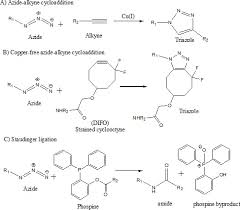


So how does this make it soluble in DCM but sucrose is insoluble?
So how does this make it soluble in DCM but sucrose is insoluble?
More
VOTE
More
VOTE
More
VOTE
More
VOTE
I'm sorry, what?
I'm sorry, what?
More
VOTE
More
VOTE