As mentioned by Simonic, aniline is prone to aerial oxidation and slowly becomes brown on storage. Please carry out experiment with authentic aniline to verify your observation.
As mentioned by Simonic, aniline is prone to aerial oxidation and slowly becomes brown on storage. Please carry out experiment with authentic aniline to verify your observation.
It might have just evaporated. I know, I know, boiling point of 184 C etc. I managed to evaporate 2 mL of DMSO in a stream of argon overnight. I believe, the air turnaround in the lab/hood it pretty high. So your aniline might have just evaporated right from the TLC plate.
It might have just evaporated. I know, I know, boiling point of 184 C etc. I managed to evaporate 2 mL of DMSO in a stream of argon overnight. I believe, the air turnaround in the lab/hood it pretty high. So your aniline might have just evaporated right from the TLC plate.
Hello friend, your aniline probably evaporated. I see boiling point mentioned; more relevant here is the vapour pressure! If it has a strong odour, it probably has an appreciable vapor pressure. People have been mentioning spots on TLC often turn brown on silica, this is usually due to oxidation by oxygen in the air. It is more pronounced with things like amines and sulfur compounds. If you see this on silica but not on alumina, it may be due to the fact that silica can be somewhat acidic, possibly catalyzing the reaction. If you want a more persistent color on your TLCs for whatever reason, you may consider using a good old-fashioned TLC stain (eg. if your reaction takes a few days, you can probably still put them side by side to compare).
Hello friend, your aniline probably evaporated. I see boiling point mentioned; more relevant here is the vapour pressure! If it has a strong odour, it probably has an appreciable vapor pressure. People have been mentioning spots on TLC often turn brown on silica, this is usually due to oxidation by oxygen in the air. It is more pronounced with things like amines and sulfur compounds. If you see this on silica but not on alumina, it may be due to the fact that silica can be somewhat acidic, possibly catalyzing the reaction. If you want a more persistent color on your TLCs for whatever reason, you may consider using a good old-fashioned TLC stain (eg. if your reaction takes a few days, you can probably still put them side by side to compare).
Aniline spot disappear in TLC after an hour. This is because aniline forms a charge transfer complex with aniline hence spot appear. The stability of the spot indicates how far your complex is stable as the complex is only interactions & not actual bond formation.
Aniline spot disappear in TLC after an hour. This is because aniline forms a charge transfer complex with aniline hence spot appear. The stability of the spot indicates how far your complex is stable as the complex is only interactions & not actual bond formation.


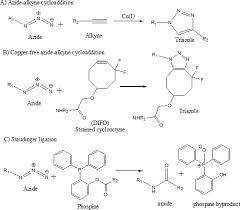
aniline oxidation by air oxygen take place
aniline oxidation by air oxygen take place
More
VOTE
How would you explain change of spot coluor? I have found similar changes very often when silica is used and later plate exposed to air.
How would you explain change of spot coluor? I have found similar changes very often when silica is used and later plate exposed to air.
More
VOTE
As mentioned by Simonic, aniline is prone to aerial oxidation and slowly becomes brown on storage.
Please carry out experiment with authentic aniline to verify your observation.
As mentioned by Simonic, aniline is prone to aerial oxidation and slowly becomes brown on storage.
Please carry out experiment with authentic aniline to verify your observation.
More
VOTE
oxidation by air is not important reason because the emission by UV-caused by conjugation in aromatic ring ,which dont affected by air oxidation.
oxidation by air is not important reason because the emission by UV-caused by conjugation in aromatic ring ,which dont affected by air oxidation.
More
VOTE
It might have just evaporated. I know, I know, boiling point of 184 C etc. I managed to evaporate 2 mL of DMSO in a stream of argon overnight. I believe, the air turnaround in the lab/hood it pretty high. So your aniline might have just evaporated right from the TLC plate.
It might have just evaporated. I know, I know, boiling point of 184 C etc. I managed to evaporate 2 mL of DMSO in a stream of argon overnight. I believe, the air turnaround in the lab/hood it pretty high. So your aniline might have just evaporated right from the TLC plate.
More
VOTE
Hello friend, your aniline probably evaporated. I see boiling point mentioned; more relevant here is the vapour pressure! If it has a strong odour, it probably has an appreciable vapor pressure.
People have been mentioning spots on TLC often turn brown on silica, this is usually due to oxidation by oxygen in the air. It is more pronounced with things like amines and sulfur compounds. If you see this on silica but not on alumina, it may be due to the fact that silica can be somewhat acidic, possibly catalyzing the reaction.
If you want a more persistent color on your TLCs for whatever reason, you may consider using a good old-fashioned TLC stain (eg. if your reaction takes a few days, you can probably still put them side by side to compare).
Hello friend, your aniline probably evaporated. I see boiling point mentioned; more relevant here is the vapour pressure! If it has a strong odour, it probably has an appreciable vapor pressure.
People have been mentioning spots on TLC often turn brown on silica, this is usually due to oxidation by oxygen in the air. It is more pronounced with things like amines and sulfur compounds. If you see this on silica but not on alumina, it may be due to the fact that silica can be somewhat acidic, possibly catalyzing the reaction.
If you want a more persistent color on your TLCs for whatever reason, you may consider using a good old-fashioned TLC stain (eg. if your reaction takes a few days, you can probably still put them side by side to compare).
More
VOTE
Thank you Dr Alexander. Yes, I do agree that the temperature is quite high in our lab apart from us being in a hot climate country.
Thank you Dr Alexander. Yes, I do agree that the temperature is quite high in our lab apart from us being in a hot climate country.
More
VOTE
Thank you so much everyone, for the answers given. Yes, i use silica plates.
Thank you so much everyone, for the answers given. Yes, i use silica plates.
More
VOTE
depend on type of the gas
depend on type of the gas
More
VOTE
Aniline spot disappear in TLC after an hour. This is because aniline forms a charge transfer complex with aniline hence spot appear. The stability of the spot indicates how far your complex is stable as the complex is only interactions & not actual bond formation.
Aniline spot disappear in TLC after an hour. This is because aniline forms a charge transfer complex with aniline hence spot appear. The stability of the spot indicates how far your complex is stable as the complex is only interactions & not actual bond formation.
More
VOTE