




Pharmaceutical Intermediates
- • Analgesics (59)
- • Anesthetics (52)
- • Anti-Addiction Agents (8)
- • Antibacterials (118)
- • Anticonvulsants (20)
- • Antidementia Agents (23)
- • Antidepressants (35)
- • Antiemetics (24)
- • Antifungals (24)
- • Antigout Agents (9)
- • Anti-inflammatory Agents (28)
- • Antimigraine Agents (21)
- • Antineoplastics (430)
- • Antiparasitics (11)
- • Antiparkinson Agents (28)
- • Antipsychotics (54)
- • Antispasticity Agents (12)
- • Antivirals (146)
- • Anxiolytics (16)
- • Blood Glucose Regulators (106)
- • Blood Products (61)
- • Cardiovascular Agents (179)
- • CNS Agents (22)
- • Dental and Oral Agents (8)
- • Dermatological Agents (19)
- • Electrolytes (15)
- • Gastrointestinal Agents (63)
- • Genetic/Enzyme Disorder (12)
- • Genitourinary Agents (47)
- • Immunological Agents (36)
- • Metabolic Bone Disease (6)
- • Ophthalmic Agents (477)
- • Respiratory Tract (51)
- • Skeletal Muscle Relaxants (5)
- • Sleep Disorder Agents (28)
- • Oled Material Intermediate (333)
- • Heterocyclic Compound (9774)
- • Bulk Drug Intermediates (17920)
Related News
-
What Is Tetracaine Hydrochloride Used For
2022-03-09


Analgesics Featured Products
Analgesics
ε-Caprolactone
(502-44-3)-

Pharmaceutical Grade / 99%
-

Pharmaceutical Grade / 99%
-

pharmaceutical grade / 99%
-

pharmaceutical grade / 99.9%


Request for quotation , get quotes from more suppliers.
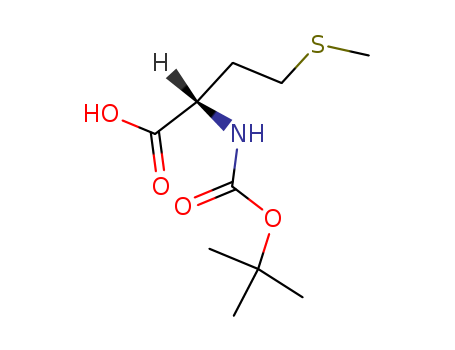
Boc-L-methionine
(2488-15-5)-

Industrial Grade, Feed Grade, Food Grade, Pharma Grade / 99%
-

- / 99.00%
-
-OH")
Research and Industrial Grade / 98.00%
-
![buy (2S)-2-[(2-methylpropan-2-yl)oxycarbonylamino]-4-methylsulfanylbutanoic acid]( "(2S)-2-[(2-methylpropan-2-yl)oxycarbonylamino]-4-methylsulfanylbutanoic acid")


Request for quotation , get quotes from more suppliers.
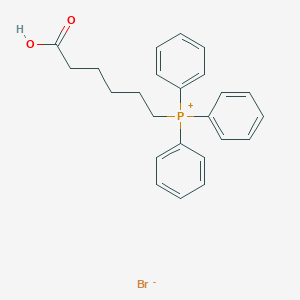
Phosphonium, (5-carboxypentyl)triphenyl-, bromide (1:1)
(50889-29-7)Reactant for:
Preparation of inhibitor of protein tyrosine phosphatase 1B for treatment of diabetes and obesity.
Synthesis of folate receptor-specific glycinamide ribonucleotide formyltransferase inhibitors with antitumor activity.
Preparation of peptide nucleic acids (PNA) with high specific activity.
S
-

Pharmaceutical Grade / 98%
-
(triphenyl)phosphonium bromide")
- / 98%
-
(triphenyl)phosphonium bromide")
Industrial Grade / 99%
-
triphenylphosphonium bromide")


Request for quotation , get quotes from more suppliers.
-

- / 99.00%
-

Industrial Grade / 98%
$1000-1100/G FOB
-

Industrial Grade / 99%
-


Request for quotation , get quotes from more suppliers.
4-Methylphenylacetonitrile
(2947-61-7)-

Pharmaceutical Grade / 99%
-

pharmaceutical grade / 99%
-

industrial Grade / 98%
-

Industrial Grade / 99%


Request for quotation , get quotes from more suppliers.
3,4-Dichlorophenylacetic acid
(5807-30-7)-

-

Industrial Grade / 99%
-

-
acetic acid")
reagent grade / 97%
$110/G EXW

Request for quotation , get quotes from more suppliers.
-

Industrial Grade / pharmaceutical grade / 99%
-

- / 99.00%
-

Industrial Grade / 99%
-

Industrial Grade / 99%


Request for quotation , get quotes from more suppliers.
3-FLUOROBENZENESULFONYLCHLORIDE
(701-27-9)-

- / 99.00%
-

Industrial Grade / 99%
-

Industrial Grade / 99%
-


Request for quotation , get quotes from more suppliers.
2-[(Acetylthio)methyl]-phenylpropionicacid
(91702-98-6)-
![buy 2-[(Acetylthio)methyl]-3-phenylpropionic Acid CAS: 91702-98-6]( "2-[(Acetylthio)methyl]-3-phenylpropionic Acid CAS: 91702-98-6")
Pharmaceutical Grade / 99%
-
![buy 2-[(Acetylthio)methyl]-phenylpropionic acid]( "2-[(Acetylthio)methyl]-phenylpropionic acid")
Industrial Grade / 99%
-
![buy 2-[(Acetylthio)methyl]-3-phenylpropionic Acid]( "2-[(Acetylthio)methyl]-3-phenylpropionic Acid")
-
![buy 2-[(Acetylthio)methyl]-phenylpropionic acid]( "2-[(Acetylthio)methyl]-phenylpropionic acid")
![buy 2-[(Acetylthio)methyl]-3-phenylpropionic Acid CAS: 91702-98-6](https://file.echemi.com/fileManage/upload/cas/172/6af4e875-f7ff-49b6-b216-763cd0cd15cf.gif "2-[(Acetylthio)methyl]-3-phenylpropionic Acid CAS: 91702-98-6")
Request for quotation , get quotes from more suppliers.
-

Pharmaceutical Grade / 99%
-

Pharmaceutical Grade / 99%
-
 Propan-1-One CAS 37951-49-8/3'-Methoxypropiophenone")
pharmaceutical grade / 99.9%
-
 Propan-1-One CAS 37951-49-8/3'-Methoxypropiophenone")


Request for quotation , get quotes from more suppliers.
More Information
Analgesics are substances designed to alleviate pain without causing loss of consciousness. They are widely used in pharmaceutical formulations, healthcare products, and clinical applications to manage mild to severe pain.
The mechanisms of action for analgesics vary by type:
- Nonsteroidal Anti-Inflammatory Drugs (NSAIDs) reduce pain and inflammation by inhibiting cyclooxygenase (COX) enzymes, decreasing prostaglandin synthesis.
- Acetaminophen (Paracetamol) relieves pain and reduces fever, primarily acting on the central nervous system.
- Opioids bind to opioid receptors in the nervous system to block pain signals, suitable for moderate to severe pain under controlled usage.
Factors to consider when selecting analgesics:
- Effectiveness, including potency and onset of action appropriate for specific pain types.
- Safety, covering toxicity profile, potential side effects, and dosage limits.
- Compatibility with other active pharmaceutical ingredients.
- Regulatory compliance to ensure conformance with pharmaceutical safety standards.
Common analgesic forms include tablets, capsules, powders, and injectable solutions, supporting versatile applications in pharmaceuticals, healthcare, and research.
Frequently Asked Questions
Analgesics, also known as pain relievers or painkillers, are medications used to reduce or relieve pain without causing loss of consciousness. They work by targeting the nervous system—either peripherally (e.g., NSAIDs like ibuprofen that reduce inflammation) or centrally (e.g., opioids like morphine that affect brain perception of pain). Understanding their mechanism helps in selecting the right type for specific pain conditions.
The main categories of analgesics include:1. Non-opioid analgesics (e.g., acetaminophen/paracetamol and NSAIDs like aspirin or naproxen), commonly used for mild to moderate pain.2. Opioid analgesics (e.g., codeine, oxycodone), prescribed for severe or acute pain.3. Adjuvant analgesics (e.g., certain antidepressants or anticonvulsants), which are not primarily painkillers but can enhance pain relief in chronic conditions like neuropathic pain.Each type has distinct indications, benefits, and risks.
Yes, long-term or improper use of analgesics can pose health risks. For example, excessive use of acetaminophen may cause liver damage, while prolonged NSAID use can lead to gastrointestinal bleeding or kidney issues. Opioids carry risks of dependence, tolerance, and respiratory depression. Always follow dosage guidelines, consult a healthcare provider for chronic pain management, and avoid combining multiple analgesics without medical advice.
Selecting the appropriate analgesic depends on several factors:1. Type and severity of pain (e.g., headache vs. post-surgical pain).2. Patient’s medical history (e.g., liver/kidney function, allergies).3. Potential drug interactions with other medications.4. Risk of side effects or addiction, especially with opioids.For mild pain, over-the-counter options like ibuprofen may suffice; for severe or persistent pain, a physician’s evaluation is essential to determine the safest and most effective treatment.
Yes, active pharmaceutical ingredients (APIs) of analgesics such as paracetamol, diclofenac, or tramadol are widely used in pharmaceutical manufacturing for producing finished dosage forms like tablets, capsules, or injectables. In R&D, these compounds serve as reference standards, intermediates, or models for developing novel pain-relief formulations. Sourcing high-purity analgesic APIs from GMP-certified suppliers ensures quality, regulatory compliance, and reproducibility in both production and research settings.