




Agrochemicals
- • Biopesticides (18)
- • Herbicides (281)
- • Insecticides (354)
- • Fungicides (163)
- • Pesticide Intermediates (412)
- • Plant Growth Regulators (56)
- • Fertilizers (24)
Related News
-
Mexico's Smart AgroFresh opens a new chapter in Chinese agriculture with SmartGenX technology
2024-07-24 -
BURSA AGRICULTURE Fair will be held in Bursa from October 08 to 12
2024-07-19 -
The Agrorus(2024) will be held in St. Petersburg from August 28 to 30
2024-07-05 -
Agri Tech(India) will be held in Bangalore from August 22-24
2024-06-28 -
Myanmar plans to import 1.6 million tons of fertilizer in 2024-2025
2024-06-05 -
2024 Central Plains (Handan) Modern Agriculture Expo and agricultural materials trading Conference will be held in August
2024-05-10


Agriculture Fertilizer
Fertilizers
Urea
(57-13-6)-

Agricultural Grade/Industrial/automotive grade / 46%
-

Agricultural Grade / 46%
-

Agricultural Grade / 99%
-

Agricultural Grade / 99.9%


Ammonium sulfate
(7783-20-2)-

Agricultural grade / 99%
-

Agricultural Grade / 100%
-

Agricultural Grade / 21%
-

Agricultural Grade / 99.9%


Potassium chloride
(7447-40-7)-

Agricultural Grade / -
$1-1.3/MT FOB
-

Agricultural Grade / 95%
-
 - Granular Fertilizer For Sale Worldwide Exports")
Agricultural Grade / 99%
-

Agricultural Grade / 99%


Ammonium bicarbonate
(1066-33-7)-

Agricultural Grade / -
-

Agricultural Grade / 17.1%
-

Agricultural Grade / 99%
-

Agricultural Grade / -


Diammonium hydrogen phosphate
(7783-28-0)-

Agricultural Grade / 100%
-

Agricultural Grade / 64%
-
")
Agricultural Grade / 99%
-

Agricultural Grade / 99%
$1470-1911/MT FOB
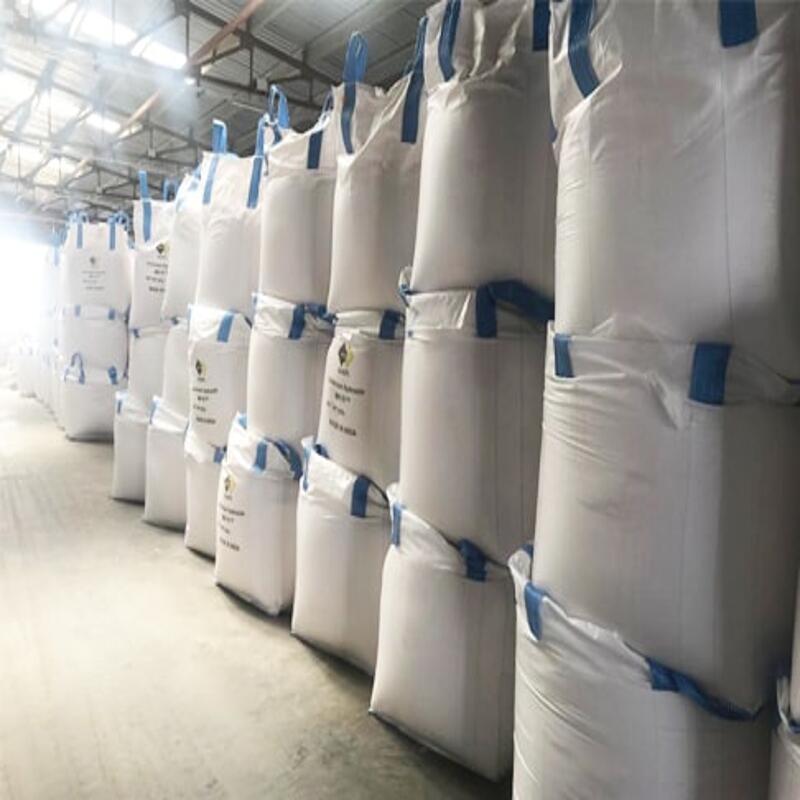


Source Fertilizers Products Supply
Ammonium dihydrogen phosphate
(7722-76-1)-

Agricultural Grade / 64%
-
 7722-76-1")
Agricultural Grade / 32%
-

Agricultural Grade / 99%
-

Agricultural Grade / 100%


Potassium sulfate
(7778-80-5)-

Agricultural Grade / 99%
-

Agricultural Grade / 96%
$400-520/MT FOB
-

Technical Agricultural Grade / 50%
-

Agricultural Grade / 52%



Monopotassium phosphate
(7778-77-0)-

Agricultural Grade / 99%
-

Agricultural Grade / -
-

Agricultural Grade / 99%
-

Agricultural Grade / 98%


-

Agricultural Grade / 99.9%
-

Agricultural Grade / 99%
-

Industrial Grade / 99%
-



Ammonium nitrate
(6484-52-2)-

Agricultural Grade / 99%
-
, Ammonium Sulphate (NH4)2SO4 98% White Granule")
Agricultural Grade / 98%
-
, Ammonium Sulphate (NH4)2SO4 98% White Granule for sale")
Agricultural Grade / 98%
-
2SO4")
Industrial Grade / 99.99%


More Information
Fertilizers, including diverse types like liquid fertilizer, organic fertilizer, and phosphorus fertilizer, cater to various plant growth needs. They are vital for plant fertilization and contribute to optimal lawn fertilizing.
Fertilizers provide essential nutrients crucial for robust plant growth. They serve as starter fertilizers, aiding initial plant development.
Factors impacting fertilizers effectiveness:
● Soil nutrient deficiencies
● Environmental Conditions
● Different plant types require specific nutrients for optimal growth
Frequently Asked Questions
Fertilizers are broadly categorized into three main types: nitrogen (N), phosphorus (P), and potassium (K) fertilizers—often referred to as NPK fertilizers. They can also be classified as organic (derived from natural sources like compost or manure) or synthetic (chemically manufactured). Specialty fertilizers, such as micronutrient blends and slow-release formulations, are also widely used to address specific crop or soil needs. Understanding these types helps farmers choose the right product for optimal crop yield and soil health.
Selecting the right fertilizer depends on several factors:1. Soil test results to identify nutrient deficiencies.2. Crop type and its specific nutrient requirements during different growth stages.3. Climate and irrigation practices, which affect nutrient uptake.4. Whether you prefer organic or conventional farming methods.Consulting agronomic experts or using precision agriculture tools can further enhance fertilizer selection for maximum efficiency and sustainability.
Organic fertilizers are derived from natural sources such as animal manure, compost, bone meal, or plant residues. They release nutrients slowly, improve soil structure, and support microbial activity. Synthetic (or inorganic) fertilizers are chemically manufactured, offering precise nutrient ratios and rapid availability to plants. While synthetic options provide quick results, organic fertilizers contribute to long-term soil fertility and environmental sustainability. The choice depends on farming goals, regulatory requirements, and market demands.
Yes, excessive or improper use of fertilizers can lead to significant environmental issues. Nutrient runoff—especially nitrogen and phosphorus—can contaminate water bodies, causing eutrophication and algal blooms that deplete oxygen and harm aquatic life. Over-application may also degrade soil quality over time and contribute to greenhouse gas emissions (e.g., nitrous oxide from nitrogen fertilizers). Following best management practices (BMPs), such as precision application and timing based on crop needs, minimizes these risks and promotes sustainable agriculture.