




Organic Chemistry
- • Amides (2641)
- • Alcohols, Phenols, Phenol Alcohols (348)
- • Nitrogen Compounds (282)
- • Nitrile Compound (100)
- • Hydrazine or Hydroxylamine Derivatives (214)
- • Quinones (38)
- • Ethers and Derivatives (192)
- • Aldehydes (126)
- • Carboxylic Acids and Derivatives (887)
- • Hydrocarbons and Derivatives (2348)
- • Ketones (100)
- • Inorganic Acid Esters (173)
- • Heterocyclic Ring (444)
- • Organometallic Compounds (991)
- • Organosulfur Compounds (92)
- • Phosphines (736)
- • Organometalate (290)
- • Organic Fluorine Compound (2160)
- • Triazenes (18)
- • Semicarbazides (34)
- • Organoselenium Compounds (28)
- • Nitro Compounds (96)
- • Nitrates (15)
- • Lactones (240)
- • Imines (24)
- • Free Radicals (48)
- • Dioxins and Dioxin-like Compounds (31)
- • Cyanates (32)
- • Coordination Complexes (3065)
- • Boron Compounds (122)
- • Azides (67)
- • Arsenicals (56)
Related News
-
Export warning | since January 1, 2023 in the European Union on imports of Chinese tea will strengthen the controls
2022-12-26 -
Organic coconut oil: One of the best survival and preparedness items to stock up on
2022-11-03 -
Xinhua shares will increase the production capacity of the new flame retardant project by three times
2022-10-28 -
BENEO Push Organic Chicory Root Fiber
2020-06-18 -
Natural ingredients, cleaning and beauty are attracting attention
2019-12-03 -
Strive for more than 2000 certificates of organic products certification
2019-10-18


Quinone and Quinone Derivatives
Quinones
Anthraquinone
(84-65-1)2. A precursor for dye formation
-

Industrial Grade / 98%
-

- / 99.00%
-

Industrial Grade / 98%
-

Chemical Grade / 99%
$7-8/KG FOB


Request for quotation , get quotes from more suppliers.
Quinone
(106-51-4)Intermediates of dyes and medicines. Manufacture of hydroquinone and rubber antioxidants, acrylonitrile and vinyl acetate polymerization initiators and oxidants. Used in the preparation of hydroquinone, used as dyes and pharmaceutical intermediates, rubber anti-aging agents, polymerization inhibitors, antioxidants, developers, et
-

Industrial Grade / 99%
-

-

-

Industrial Grade / 99%
$1/MT FOB


Chloranil
(118-75-2)-

Industrial Grade / 99%
-

Industrial Grade / 98%
-

Pharmaceutical Grade / 99.99%
-



Request for quotation , get quotes from more suppliers.
-

Industrial Grade / 99%
-

- / 0.00%
-

- / 99.00%
-

pharmaceutical grade / 99%


Request for quotation , get quotes from more suppliers.
(-)-Camphorquinone
(10334-26-6)-
-(-)-CAMPHORQUINONE")
Industrial Grade / 99.0%
-
-bornane-2,3-dione")
-
-(-)-CAMPHORQUINONE")
-
-(-)-camphorquinone")


Request for quotation , get quotes from more suppliers.
Source Quinones Products Supply
Buparvaquone
(88426-33-9)-

- / 0.00%
-

- / 99.00%
-

-

Pharmaceutical Grade / 99%


Request for quotation , get quotes from more suppliers.
1-Chloroanthraquinone
(82-44-0)-

Industrial Grade / 99%
-

- / 99.00%
-

Pharmaceutical Grade / 99%
-

Industrial Grade / 99%


Request for quotation , get quotes from more suppliers.
2,7-Dibromo-9,10-phenanthrenedione
(84405-44-7)-

- / 99.00%
-

- / 99%
-

pharmaceutical grade / 98%
-

Industrial Grade / 99%


Request for quotation , get quotes from more suppliers.
2-Pentyl-9,10-anthracenedione
(13936-21-5)-

-

- / 99.00%
-

Pharmaceutical Grade / 99%
-

Food grade / 99%


Request for quotation , get quotes from more suppliers.
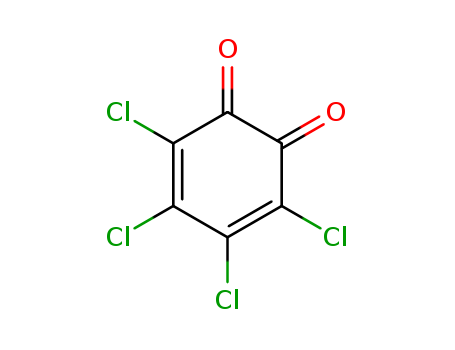
o-Chloranil
(2435-53-2)-

- / 99.00%
-

- / 99.00%
-

Industrial Grade, Feed Grade, Food Grade, Pharma Grade / 99%
-



Request for quotation , get quotes from more suppliers.
Frequently Asked Questions
Quinones are a class of organic compounds derived from aromatic compounds such as benzene or naphthalene, characterized by a fully conjugated cyclic dione structure. They play vital roles in biological systems—such as electron transport in cellular respiration—and are widely used in industries including pharmaceuticals, dyes, agrochemicals, and battery technologies. Common examples include benzoquinone, naphthoquinone, and anthraquinone.
In the pharmaceutical industry, quinones serve as key intermediates in the synthesis of active pharmaceutical ingredients (APIs). Certain quinone derivatives exhibit antimicrobial, anticancer, and anti-inflammatory properties. For example, doxorubicin and mitomycin C—both quinone-based compounds—are used in chemotherapy. Their redox-active nature also makes them valuable in prodrug design and targeted drug delivery systems.
Quinones can pose health and safety risks if not handled properly. Many are irritants to skin, eyes, and respiratory systems, and some may be toxic or mutagenic. Safe handling requires appropriate personal protective equipment (PPE), adequate ventilation, and adherence to SDS (Safety Data Sheet) guidelines. Storage should be in cool, dry, dark conditions in tightly sealed containers to prevent degradation or hazardous reactions. Always follow local regulatory requirements for chemical storage and disposal.
Common quinones include 1,4-benzoquinone (used in organic synthesis and as an oxidizing agent), 1,4-naphthoquinone (a precursor to vitamin K analogs and dyes), and 9,10-anthraquinone (widely used in paper manufacturing and dye production). In research, ubiquinone (coenzyme Q10) and plumbagin are studied for their biological activities. Each type offers distinct chemical reactivity and application potential, making selection dependent on the specific use case.