




Surfactant
- • Industrial Surfactant (79)
- • Non-ionic Surfactants (89)
- • Amphoteric Surfactants (28)
- • Cationic Surfactants (54)
- • Anionic Surfactants (70)
- • Antistatic Agents (4)
Related News
-
What is a Surfactant? (Definition, Types, and How They Work)
2026-03-17 -
Cocamidopropyl Betaine: Uses, Benefits, and Safety
2025-10-23 -
Nouryon Launches Berol Nexus Surfactant for North American Cleaning Market
2024-02-06 -
Indorama acquires Oxiteno, a surfactant manufacturer, for US$1.3 billion
2021-08-17 -
100% natural source! BASF promotes new formula for washing and protecting
2020-08-31 -
Gallop for 16 years, the footprint of this enterprise is all over the world!
2019-11-08


Anionic Surfactants Featured Products
Anionic Surfactants
Sodium dodecyl sulfate
(151-21-3)-

Industrial Grade / 92%
$2.59-2.94/KG EXW
-

Pharmaceutical Grade / 99%
-

- / 0.00%
-

- / 99.00%

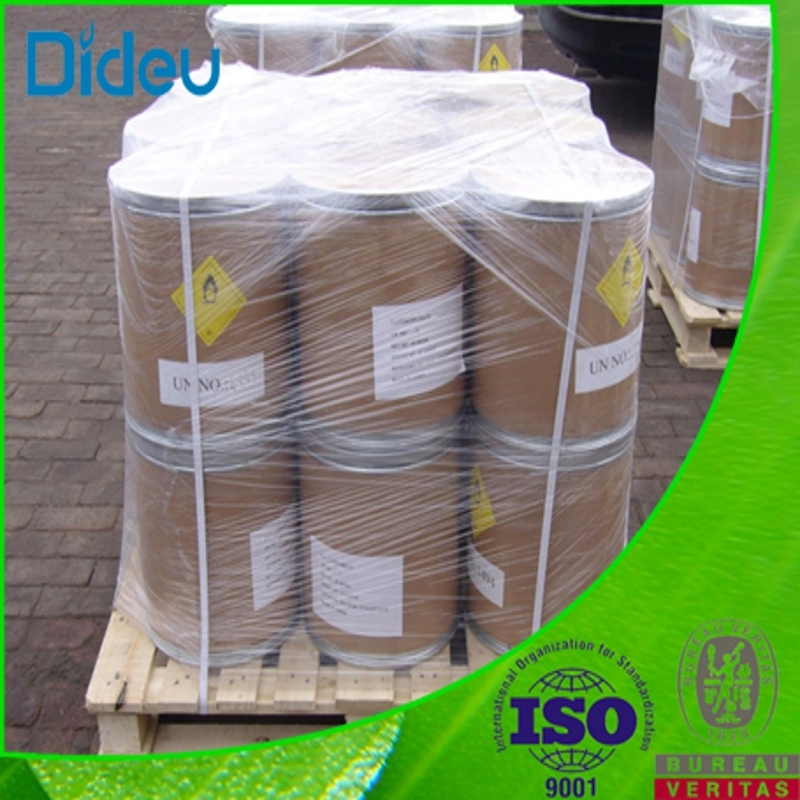


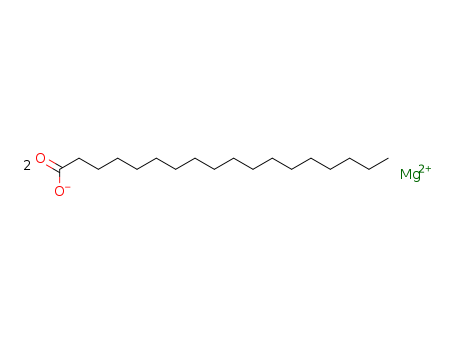
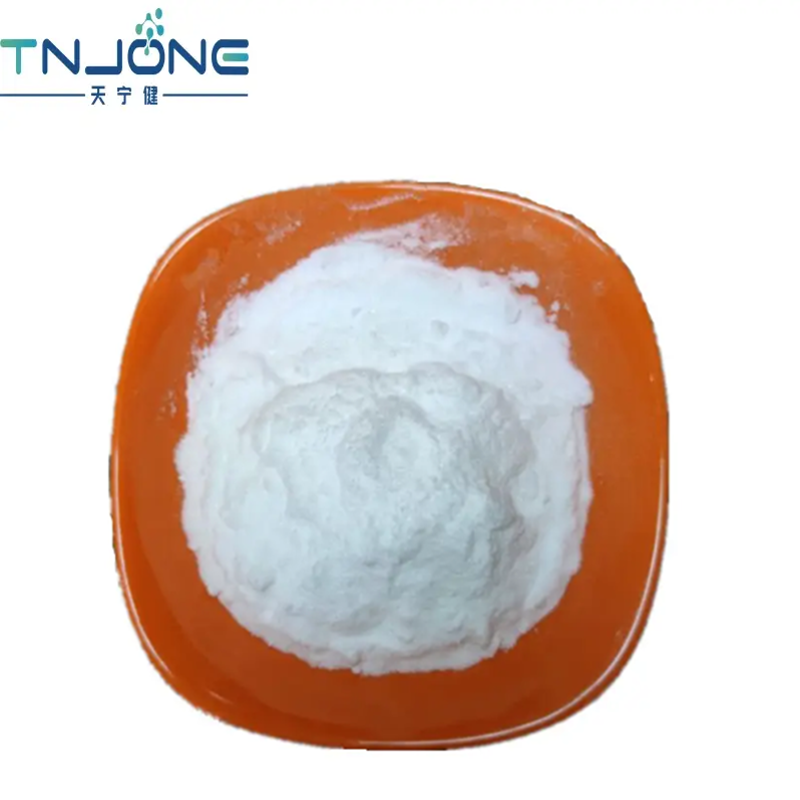
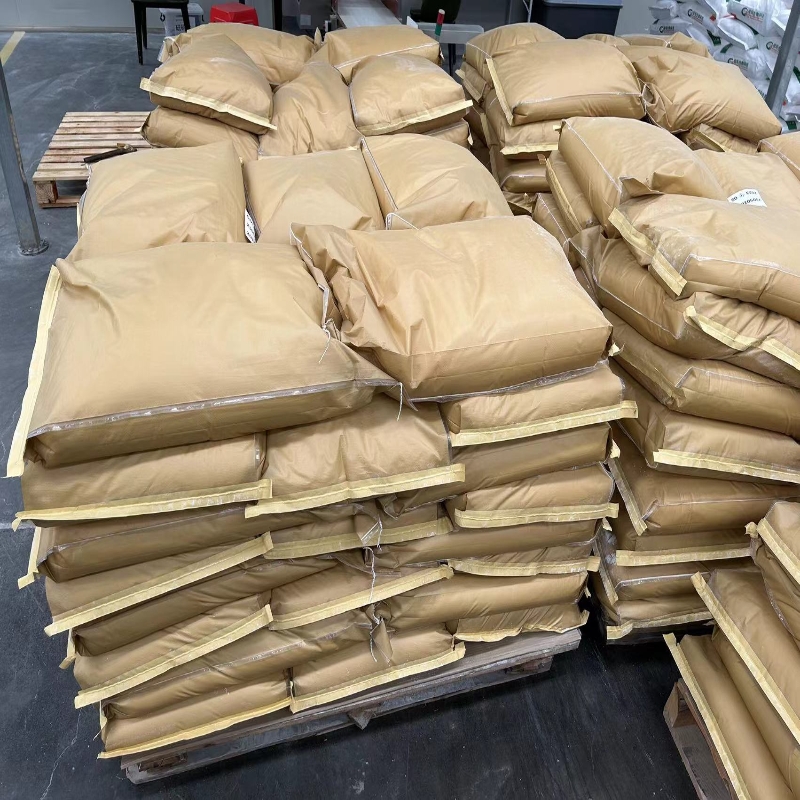
Magnesium stearate
(557-04-0)Magnesium stearate is often used as a anti-adherent in the manufacture of medical tablets, capsules and powders. In this regard, the substance is also useful, because it has lubricating properties,
-

Industrial Grade / 99%
-

-

- / 99.00%
-

Industrial Grade / 99%


Request for quotation , get quotes from more suppliers.
Sodium dodecylbenzenesulfonate
(25155-30-0)-

Food Grade / 95%
-

Industrial Grade / 99%
-

Pharmaceutical Grade / 99%
-



Request for quotation , get quotes from more suppliers.
Sodium lignosulfonate
(8061-51-6)2. Dispersing agent for dyestuffs, wax emulsions, pigments, water treatment and cleaners.
-

-

Industrial Grade / 92%
-

Pharmaceutical Grade / 99%
-


Sodium allylsulfonate
(2495-39-8)-

-

Pharmaceutical Grade / 99%
-
 IN BULK Sodium allylsulfonate")
Industrial Grade / 60%
-

industrial Grade / 98%


Request for quotation , get quotes from more suppliers.
Source Anionic Surfactants Products Supply
Calcium lignosulfonate
(8061-52-7)-

Industrial Grade / 99%
-

-

- / 99.00%
-

Industrial Grade / 99%


Request for quotation , get quotes from more suppliers.
Benzenesulfonic acid, C10-13-alkyl derivs., sodium salts
(68411-30-3)-
 factory East factory price")
Industrial Grade / 99%
-

Industrial Grade / 99%
-
")
-


Request for quotation , get quotes from more suppliers.
Sodium methylenebis(naphthalenesulfonate)
(26545-58-4)-

Industrial Grade / 99%
-

-

-

Industrial Grade / 95%


Request for quotation , get quotes from more suppliers.
Dodecylbenzenesulphonic acid
(27176-87-0)-

Industrial Grade / -
-

Industrial Grade / 99%
-

- / 99.00%
-

Cosmetics Grade / 96%


Request for quotation , get quotes from more suppliers.
Sodium dodecylsulfonate
(2386-53-0)-

Industrial Grade / 99%
-

Reagent Grade / 99%
$5/MT FOB
-

- / 99.00%
-


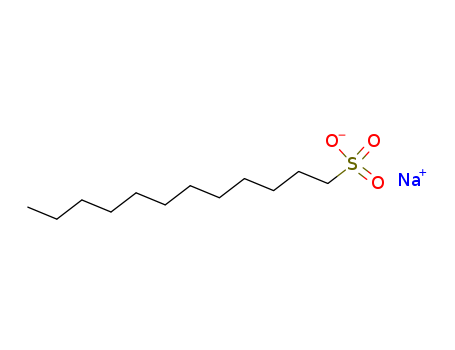
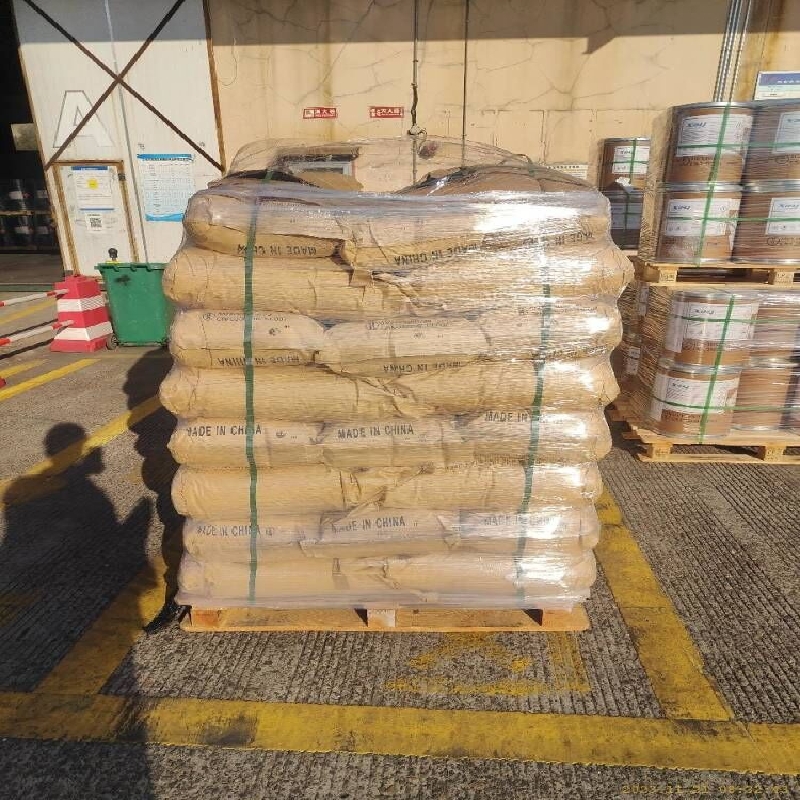
Request for quotation , get quotes from more suppliers.
More Information
Lineal anionic surfactants also known as long-chain anionic surfactants are a group of surface active agents that have attracted much interest worldwide due to their excellent washing and emulsifying properties. These ionic molecules comprise a polar hydrophilic head group and a nonpolar lipophilic hydrocarbon tail. The hydrophilic part can be a hydroxyl, carboxylate, sulfate, sulfonate or phosphate group and the hydrophobic tail is generally a long alkyl chain.
The molecular structure of lineal anionic surfactant is quite different and this structural feature is essential when it comes to the performance of the surfactants. Such surfactants, when brought into contact with water, have the hydrophilic head dissociate, thereby creating a negatively charged species generally referred to as the anion. This process of dissociation results in the formation of charges at the interface which improves the surfactant’s capacity to interact with polar and non-polar substances.
It is quite characteristic of lineal anionic surfactants that they effectively decrease the interfacial tension between two non-miscible phases. Thus, being at the phase boundary between these two phases, water and oil, for example, the surfactants reduce the interfacial tension. In this way, the surface tension is lowered and stable emulsions and foams can be formed which is beneficial in many industrial applications.
Applications of lineal anionic surfactants include:
● Pesticide Emulsifiers
● Detergents
● Personal Care Products
● Industrial Cleaners
● Sewage treatment
Frequently Asked Questions
Anionic surfactants are surface-active agents with a negatively charged hydrophilic head and a hydrophobic tail. They work by reducing surface tension between liquids or between a liquid and a solid, enabling better wetting, foaming, emulsifying, and cleaning performance. Common examples include sodium lauryl sulfate (SLS) and linear alkylbenzene sulfonates (LAS). These compounds are widely used in detergents, shampoos, and industrial cleaners due to their strong cleansing properties.
Anionic surfactants are primarily used in household and industrial cleaning products such as laundry detergents, dishwashing liquids, and hard surface cleaners. They are also key ingredients in personal care formulations like shampoos, body washes, and toothpastes for their foaming and cleansing abilities. In addition, they serve roles in textile processing, agrochemicals, and enhanced oil recovery due to their excellent emulsification and dispersing capabilities.
Selecting the right anionic surfactant depends on several factors:1. Desired functionality—whether you need high foam, strong detergency, or good emulsification.2. Compatibility with other ingredients in your formulation, especially cationic compounds which may cause precipitation.3. Environmental and regulatory considerations, such as biodegradability and toxicity profiles.4. pH stability and performance under specific conditions (e.g., hard water tolerance).Consulting technical data sheets and working with reputable suppliers can help ensure optimal selection.
Many anionic surfactants, such as sodium laureth sulfate (SLES), are considered safe for use in personal care products when formulated within recommended concentrations and purity standards. Regulatory bodies like the FDA and EU Cosmetic Regulation monitor their safety. However, some individuals may experience skin or eye irritation, particularly with stronger variants like SLS. Formulators often mitigate this by combining anionic surfactants with milder nonionic or amphoteric surfactants to improve skin compatibility.
When sourcing anionic surfactants, consider the following criteria:1. Supplier certifications (e.g., ISO, REACH, GMP) to ensure quality and compliance.2. Consistency in product specifications, including active matter content and impurity levels.3. Technical support and documentation, such as SDS and COA.4. Sustainability practices, including biodegradability data and eco-friendly manufacturing processes.5. Reliable logistics and batch-to-batch reproducibility to maintain formulation stability.