




Active Pharmaceutical Ingredients
- • Respiratory Drugs (114)
- • Hormones and the Endocrine System (279)
- • Antipyretic Analgesics (173)
- • Antiallergic Drugs (103)
- • Antiparasitic Drugs (130)
- • Antibiotics (545)
- • Antineoplastic Agents (298)
- • Anesthetic Agents (79)
- • Urinary System Drugs (52)
- • Other Chemical Drugs (948)
- • Synthetic Anti-infective Drugs (599)
- • Nervous System Drugs (349)
- • Fluid, Electrolyte, and Acid-base Balance (48)
- • Vitamins and Minerals Medicines (106)
- • Digestive System Drugs (198)
- • Blood System Drugs (85)
- • Circulatory System Drugs (427)
- • Diagnostic Agents (58)
- • Specialty Drugs (107)
- • Drug Metabolism (26)
- • Feed Additive (22)
- • Anti-stress Drugs (1)
- • Drugs Influencing Immune Function (14)
- • Veterinary Raw Materials (25)
- • Inhibitor Drugs (87)
Related News
-
The multinational pharmaceutical company plans to sell its business
2022-11-18 -
Most Popular Combined Pill for Respiratory Diseases
2022-06-23 -
Frequent occurrence of chronic respiratory diseases in autumn and winter
2019-11-08 -
Keep Chemicals Out, Say Protective Respiratory Equipment
2017-08-21 -
Canada: MDIs in DIY Products Are Risk to Respiratory Health
2017-06-15 -
Is Novartis looking at divesting some of its respiratory drugs? Drugmaker says n
2017-04-01


Respiratory Drugs Featured Products
Respiratory Drugs
Get Respiratory Drugs Raw Materials by RegionAmmonium chloride
(12125-02-9)-

Pharmaceutical Grade / 99%
-

Pharmaceutical Grade / 99%
-

Pharmaceutical Grade / 99%
-

Pharmaceutical Grade / 99%
$1.2-1.3/KG FOB


Luteolin
(491-70-3)-

Pharmaceutical Grade / 99%
-

Pharmaceutical Grade / 99%
-

Pharmaceutical Grade / 99%
$100-130/KG FOB
-

Pharmaceutical Grade / 99%



Quercetin dihydrate
(6151-25-3)-

Pharmaceutical Grade / 95%
-

Pharmaceutical Grade / 99%
$100-130/G FOB
-

Pharmaceutical Grade / 99%
-

Pharmaceutical Grade / 99%


Request for quotation , get quotes from more suppliers.
Ambroxol hydrochloride
(23828-92-4)2. A metabolite of Bromohexine. Ambroxol Hydrochloride is a bronchosecretolytic drug.
3. Skin whitening, depigmentation agent
4. Ambroxol is indicated as 鈥渟ecretolytic therapy in bronchopulmonary diseases associated with abnormal mucus secretion and impaired mucus transport. It promotes mucus clearance, facilitates expectoration and eases productive cough, allowing patients to brea
-

Pharmaceutical Grade / 99%
-

Pharmaceutical Grade / 99%
-

Pharmaceutical Grade / 99%
-

Pharmaceutical Grade / 99%


Request for quotation , get quotes from more suppliers.
Theophylline
(58-55-9)-

Pharmaceutical Grade / 99%
-

Pharmaceutical Grade / 99%
-

Pharmaceutical Grade / 99%
-

Pharmaceutical Grade / 98%


Request for quotation , get quotes from more suppliers.
Source Respiratory Drugs Products Supply
- Metaproterenol sulfate suppliers
- Benproperine phosphate suppliers
- 9-Chloro-2-methyl-5H-pyrazolo[1,5-d][1,4]benzodiazepin-6(7H)-one suppliers
- Suplatast tosilate suppliers
- Seratrodast suppliers
- Cyclopropaneacetic acid, 1-[[[(1R)-1-[3-[(1E)-2-(7-chloro-2-quinolinyl)ethenyl]phenyl]-3-[2-(1-hydroxy-1-methylethyl)phenyl]propyl]thio]methyl]-, sodium salt (1:1) suppliers
Roflumilast
(162401-32-3)-

Pharmaceutical Grade / 98%
$1/MT FOB
-

Pharmaceutical Grade / 99%
$12-14/G FOB
-

Pharmaceutical Grade / 99%
-

Pharmaceutical Grade / 99%
$1/G FOB


Request for quotation , get quotes from more suppliers.
Tiotropium bromide
(136310-93-5)-

pharmaceutical Grade / 99%
-

-

-


Request for quotation , get quotes from more suppliers.
Guaiacol
(90-05-1)-

Pharmaceutical Grade / 99%
-

Pharmaceutical Grade / 99%
-

Pharmaceutical Grade / 99%
-

Pharmaceutical Grade / -


Request for quotation , get quotes from more suppliers.
Ammonium carbonate
(506-87-6)-

Pharmaceutical Grade / 99%
-

Pharmaceutical Grade / 99%
-

Pharmaceutical Grade / 99%
-

Pharmaceutical Grade / 99%

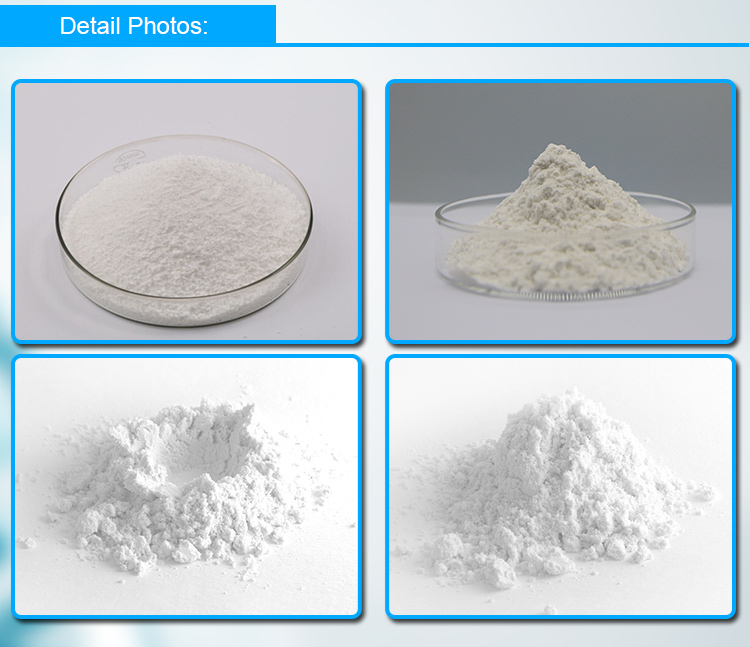
Request for quotation , get quotes from more suppliers.
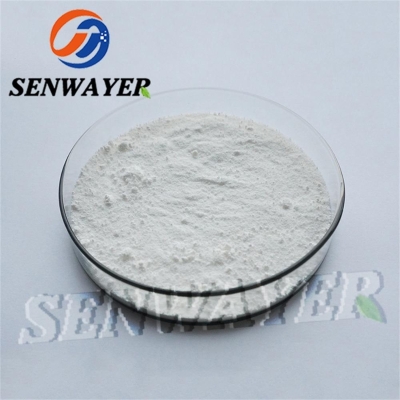
Geraniol
(106-24-1)-

Pharmacy Grade, food grade / -
-

Pharmaceutical Grade / 99%
-

Pharmaceutical Grade / 99%
-

Pharmaceutical Grade / 99%

Request for quotation , get quotes from more suppliers.
Frequently Asked Questions
Respiratory drugs are medications used to treat conditions affecting the respiratory system, such as asthma, chronic obstructive pulmonary disease (COPD), bronchitis, and allergies. These drugs work by reducing inflammation, opening airways, thinning mucus, or preventing allergic reactions. Common types include bronchodilators, corticosteroids, antihistamines, and mucolytics. Understanding their mechanisms helps healthcare providers choose the most effective treatment for each patient.
The most common types of respiratory medications include:1. Short-acting and long-acting beta-agonists (SABAs and LABAs) that relax airway muscles.2. Inhaled corticosteroids that reduce airway inflammation.3. Anticholinergics that help open the airways by blocking nerve signals.4. Leukotriene modifiers that block inflammatory pathways.5. Combination inhalers that include two or more active ingredients for better symptom control. Each type serves a specific purpose based on the patient’s diagnosis and severity of symptoms.
When selecting a respiratory drug supplier for pharmaceutical manufacturing, consider the following criteria:1. Regulatory compliance with standards such as FDA, EMA, or WHO-GMP.2. Proven track record in producing high-purity active pharmaceutical ingredients (APIs) for respiratory therapies.3. Robust quality assurance and documentation practices.4. Scalable production capacity and reliable supply chain logistics.5. Technical support and regulatory filing assistance. Partnering with a qualified supplier ensures product safety, efficacy, and market readiness.
Key quality considerations for respiratory drug active pharmaceutical ingredients (APIs) include:1. High chemical purity and consistent potency to ensure therapeutic effectiveness.2. Strict control of residual solvents and impurities per ICH guidelines.3. Particle size and morphology suitable for inhalation delivery systems.4. Stability under various storage conditions to maintain shelf life.5. Full traceability and comprehensive Certificate of Analysis (CoA). These factors are critical for patient safety and regulatory approval.
Yes, while generic respiratory drugs contain the same active ingredients as their branded counterparts and must meet bioequivalence standards set by regulatory agencies like the FDA, there may be differences in inactive ingredients, inhaler device design, or patient experience. Branded drugs often benefit from extensive clinical data and optimized delivery systems, whereas generics offer cost-effective alternatives. Healthcare providers should evaluate both efficacy and patient adherence when choosing between them.