Product
Supplier
Encyclopedia
Inquiry
Home > Inorganic Chemistry > Inorganic Acid (Find 57 items)

Inorganic Acid

Phosphoric acid

(7664-38-2)
Mainly used in phosphate industry, electroplating, polishing industry, sugar industry, compound fertilizer, etc. In the food industry as a sour agent, yeast nutrient, etc.; mainly used as a catalyst for ethylene hydration to produce ethanol, high-purity phosphate, pharmaceutical manufacturing, and chemical reagents. Mainly used in the preparation of chemical fertilizers, detergents, food and feed additives, flame retardants and various phosphates; commonly used as analytical reagents; used for v

Product List

Price

Request for quotation , get quotes from more suppliers.

Hydrofluoric acid

(7664-39-3)
Hydrogen fluoride is a chemical compound with the chemical formula HF. This colorless gas or liquid is the principal industrial source of fluorine, often as an aqueous solution called hydrofluoric acid. It thus is the precursor to many important compounds including pharmaceuticals and polymers (e.g. Teflon). HF is widely used in the petrochemical industry as a component of superacids. Hydrogen fluoride boils near room temperature, much higher than other hydrogen halides. Unlike other hydrogen ha

Product List

Price

Request for quotation , get quotes from more suppliers.

Phosphonic acid

(13598-36-2)
Phosphorous acid is the compound described by the formula H3PO3. This acid is diprotic (readily ionizes two protons), not triprotic as might be suggested by this formula. Phosphorous acid is an intermediate in the preparation of other phosphorus compounds.

Product List

Price

Request for quotation , get quotes from more suppliers.

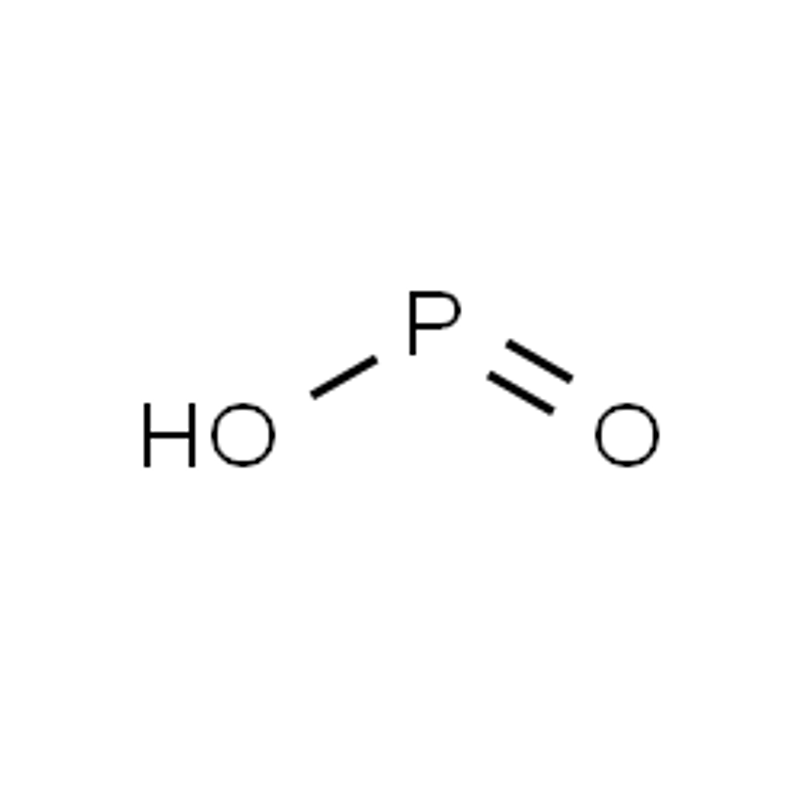
Phosphinic acid

(6303-21-5)
Used in the formulation of pharmaceuticals, discoloration of polymers, water treatment, retrieval of precious or non-ferrous metals. Its main use is for electrodless plating. 1. Used as a reducing agent for electroless plating; 2. Used to prevent the discoloration of phosphoric acid resin; 3. Used as a catalyst and refrigerant for esterification; 4. Used to make hypophosphite, its sodium salt, manganese salt, iron salt, etc. are usually used as tonic drugs; 5. Used in medicine and as a redu

Product List

Request for quotation , get quotes from more suppliers.

Polyphosphoric acids

(8017-16-1)
It is used in the synthesis of ofloxacin, flumequine and ketotifen and other pharmaceutical products. It is used as a catalyst in the petrochemical industry; it is used in organic synthesis and as a substitute for orthophosphoric acid.

Product List

Price

Request for quotation , get quotes from more suppliers.

Chlorosulfonic acid

(7790-94-5)
Chlorosulfuric acid (IUPAC name: sulfurochloridic acid) is the inorganic compound with the formula HSO3Cl. It is also known as chlorosulfonic acid, being the sulfonic acid of chlorine. It is a distillable, colorless liquid which is hygroscopic and a powerful lachrymator.

Product List

Price

Request for quotation , get quotes from more suppliers.

SILICOTUNGSTIC ACID HYDRATE

(12027-43-9)
Reactant for Preparation of silicotungstate butylmethylimidazolium bromide ionic liquid hybrid material, Synthesis of SnII-substituted Keggin-type polyoxometalates as photocatalysts, Preparation of silicotungstic acid/organically modified silane proton-conducting membranes3, Preparation of charge transfer compounds with Keggin anions, Preparation of catalyst for catalytic liquid-phase oxidation of xylene

Product List

Request for quotation , get quotes from more suppliers.

Hydrochloric acid

(7647-01-0)
In the production of chlorides, refining ore in the production of tin and tantalum, for the neutralization of basic systems, as laboratory reagent, hydrolyzing of starch and proteins in the preparation of various food products, pickling and cleaning of metal products, as catalyst and solvent in organic synthesis, for oil- and gas-well treatment, in removing scale from boilers and heat-exchange equipment, pharmaceutic aid (acidifier).

Price

Request for quotation , get quotes from more suppliers.

Sulfuric acid

(7664-93-9)
Sulfuric Acid is an important chemical substance with widespread applications across multiple industries. In the chemical field, it is used as a reactant, participating in various chemical reactions to produce a range of chemical products. Additionally, it serves as a catalyst, accelerating chemical reactions and improving production efficiency. In the pharmaceutical industry, sulfuric acid plays a key role, being used in the synthesis of various drugs to ensure the quality and efficacy of medicines. Furthermore, during the refining process, sulfuric acid is crucial for helping to extract and purify petroleum products. Besides its applications in the chemical, pharmaceutical, and refining industries, sulfuric acid is also a vital raw material in the production of fertilizers and cleaning agents. In agricultural production, sulfuric acid is one of the main components for manufacturing phosphate fertilizers; its addition increases the phosphorus content of fertilizers, promoting crop growth. In daily life, sulfuric acid is also widely used in the production of various cleaning agents, such as laundry detergents and dishwashing liquids, helping to remove dirt and maintain a clean environment. Therefore, sulfuric acid plays an irreplaceable role in both industrial production and everyday life.

Product List

Price

Request for quotation , get quotes from more suppliers.

Hydrogen bromide

(10035-10-6)
It is the basic raw material for manufacturing various inorganic bromides such as sodium bromide, potassium bromide, lithium bromide and calcium bromide, and certain alkyl bromides such as methyl bromide and ethyl bromide. It is used in medicine to synthesize tranquilizers and anesthetics. It is also a good solvent for some metal minerals, used for the extraction of high-purity metals. The petroleum industry is used as a separating agent for alkoxy and phenoxy compounds, and a catalyst for the o

Product List

Request for quotation , get quotes from more suppliers.

Inorganic acid, also known as mineral acid, is a general term for acids in inorganic compounds. Inorganic acids are generally inorganic compounds that can dissociate hydrogen ions. A compound consisting of hydrogen and a non-metallic element or group. According to the composition, inorganic acids can be divided into oxyacids, anaerobic acids, complex acids, mixed acids, superacids, etc. According to the degree of dissociation, they can be divided into strong acids and weak acids, and according to the ionizable hydrogen ion The number is divided into monobasic acid, dibasic acid and polybasic acid.

Source Inorganic Acid Raw Materials by Region

Frequently Asked Questions

What is an inorganic acid?

An inorganic acid is a mineral-based acid that typically does not contain carbon-hydrogen (C-H) bonds. Common examples include hydrochloric acid (HCl), sulfuric acid (H₂SO₄), and nitric acid (HNO₃). These acids are widely used in industrial processes, laboratory applications, and chemical manufacturing due to their strong reactivity and ability to donate protons (H⁺ ions).

What are the common industrial uses of inorganic acids?

Inorganic acids play critical roles across various industries:1. Sulfuric acid is used in fertilizer production, battery manufacturing, and metal processing.2. Hydrochloric acid is essential for steel pickling, pH adjustment, and food processing.3. Nitric acid is key in producing explosives, fertilizers, and synthetic fibers.Their versatility makes them indispensable in chemical synthesis, cleaning, and catalysis.

How should inorganic acids be handled and stored safely?

Safe handling and storage of inorganic acids require strict adherence to safety protocols:1. Always use appropriate personal protective equipment (PPE), including gloves, goggles, and acid-resistant aprons.2. Store in corrosion-resistant, properly labeled containers in a well-ventilated, cool area away from bases and flammable materials.3. Follow local regulations for spill containment and emergency response.Proper training and Material Safety Data Sheets (MSDS/SDS) are essential for minimizing risks.

What factors should I consider when sourcing high-purity inorganic acids?

When sourcing high-purity inorganic acids, consider the following:1. Purity grade (e.g., reagent grade, electronic grade, or technical grade) based on your application needs.2. Supplier certifications such as ISO 9001, REACH, or GMP compliance.3. Consistency in batch-to-batch quality and traceability documentation.4. Packaging integrity to prevent contamination or degradation.Choosing a reputable supplier ensures reliability for sensitive applications like pharmaceuticals or electronics.

Are inorganic acids different from organic acids?

Yes, inorganic acids differ from organic acids primarily in chemical structure and origin. Inorganic acids (e.g., HCl, H₂SO₄) are mineral-derived and generally lack carbon atoms or contain carbon without C-H bonds. Organic acids (e.g., acetic acid, citric acid) contain carbon-hydrogen frameworks and are often derived from living organisms or biosynthesis. Inorganic acids tend to be stronger and more corrosive, while organic acids are typically weaker and used in food, cosmetics, and biodegradable applications.

Feedback & Suggestions
Send Message

Thank you for your feedback. If you require further assistance, please contact us by email at info@echemi.com or call us at +86-532-55729510.