




Food Additives
- • Coating Agent (19)
- • Preservative (33)
- • Coloring Agent (40)
- • Gum Base Agent (25)
- • Anticaking Agent (7)
- • Food Antioxidants (41)
- • Enzyme (49)
- • Flour Treatment Agent (4)
- • Leavening Agent (1)
- • Bleach (3)
- • Other Food Additives (92)
- • Emulsifier (25)
- • Food Flavorings (30)
- • Water Retention Agent (1)
- • Acidity Regulators (6)
- • Sweeteners (36)
- • Stabilizer and Coagulants (4)
- • Defoamers (5)
- • Nutrition Supplements (171)
- • Thickener (30)
- • Odorants (29)
- • Colorant (16)
Related News


Thickener
Guar gum
(9000-30-0)Industrial grade: oil well
-

Food Grade / 99%
$8-10/KG EXW
-

Food Grade / 99.99%
-

Food Grade / 99%
-

Food Grade / 99%


Request for quotation , get quotes from more suppliers.
Konjak mannan
(37220-17-0)-

Food Grade / 99%
-

Food Grade / 99%
-

Food Grade / 99%
-

Food Grade / 99.9%
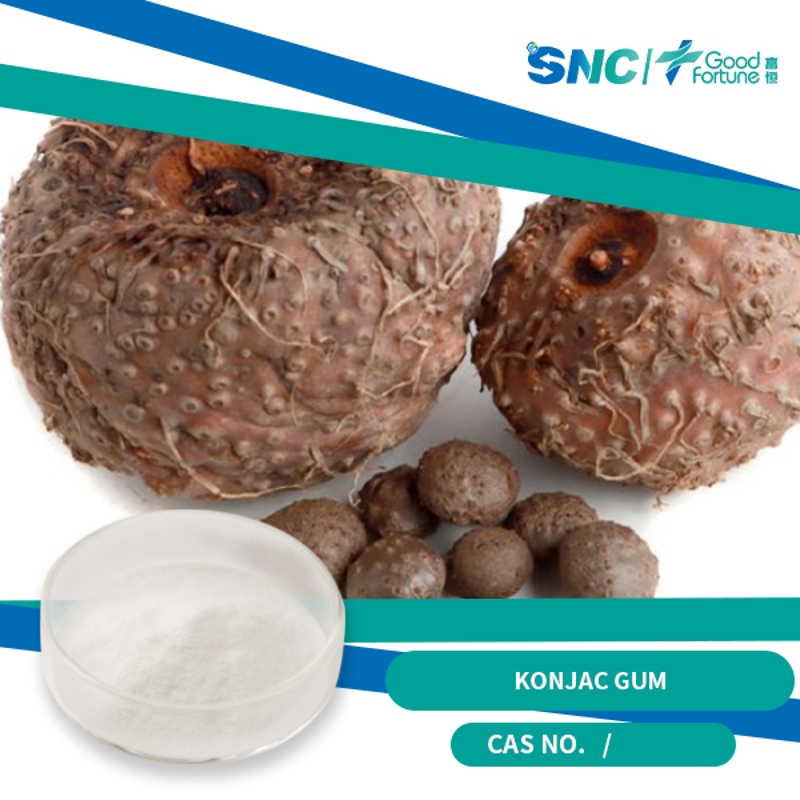
Request for quotation , get quotes from more suppliers.
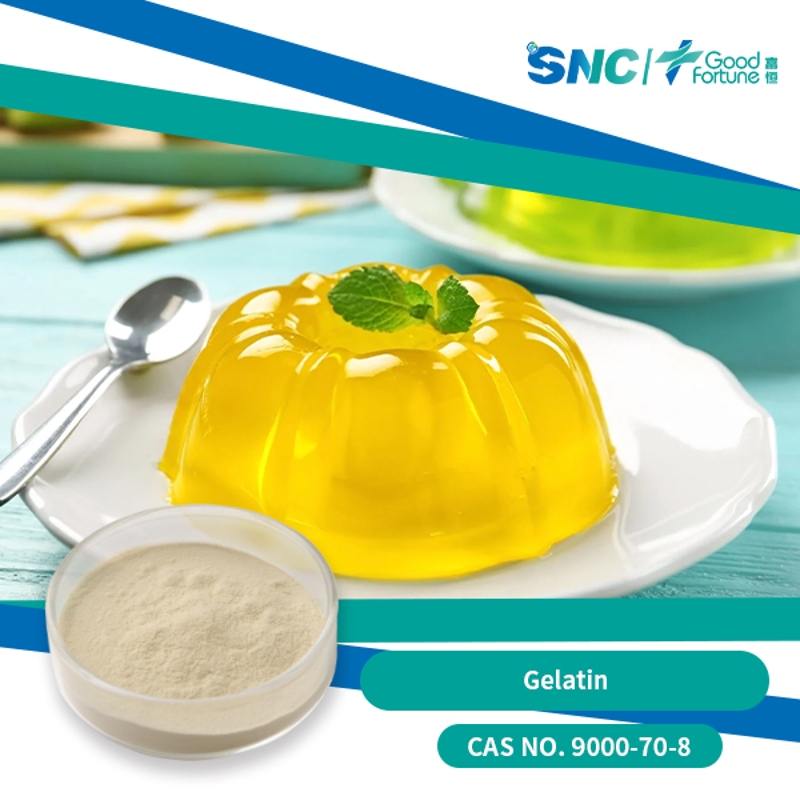
Gelatins
(9000-70-8)-

Food Grade / 99%
-

Food Grade / 99%
-

Food Grade / 90%
-

Food Grade / -



Request for quotation , get quotes from more suppliers.
Gellan gum
(71010-52-1)-

Food Grade / 99%
-

Food Grade / 80%
-

Food Grade / -
-

Food Grade / 99%



Request for quotation , get quotes from more suppliers.
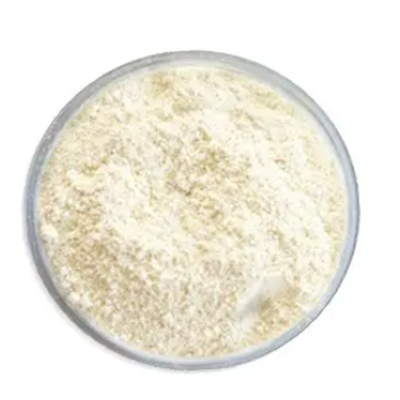
Polydextrose
(68424-04-4)-

Food Grade / 99%
-

Food Grade / 90%
-

Food Grade / 90%
-

Food Grade / 99%


Request for quotation , get quotes from more suppliers.
Source Thickener Products Supply
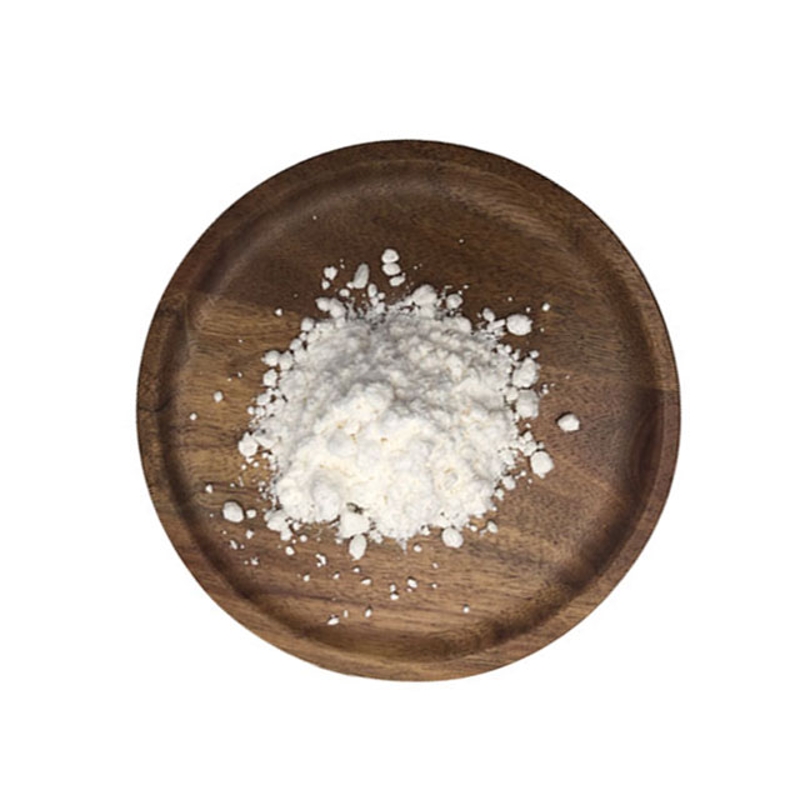
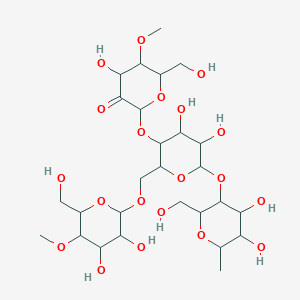
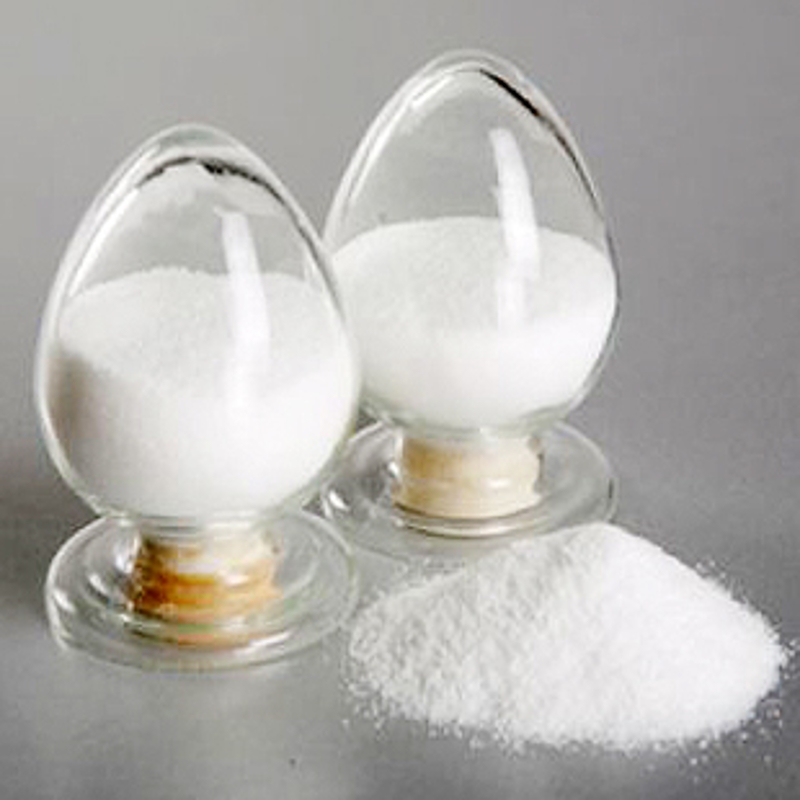
Starch, oxidized
(65996-62-5)-

Food Grade / -
-

Food Grade / 99%
$1/KG EXW
-

Food Grade / 99%
$1-1.2/MT FOB
-

Food Grade / 99%
$600-700/MT FOB

Request for quotation , get quotes from more suppliers.
Hydroxypropyl methyl cellulose
(9004-65-3)-

Food Grade / 99%
-

Food Grade / 99%
-

Food grade / 99%
-

Food Grade / -

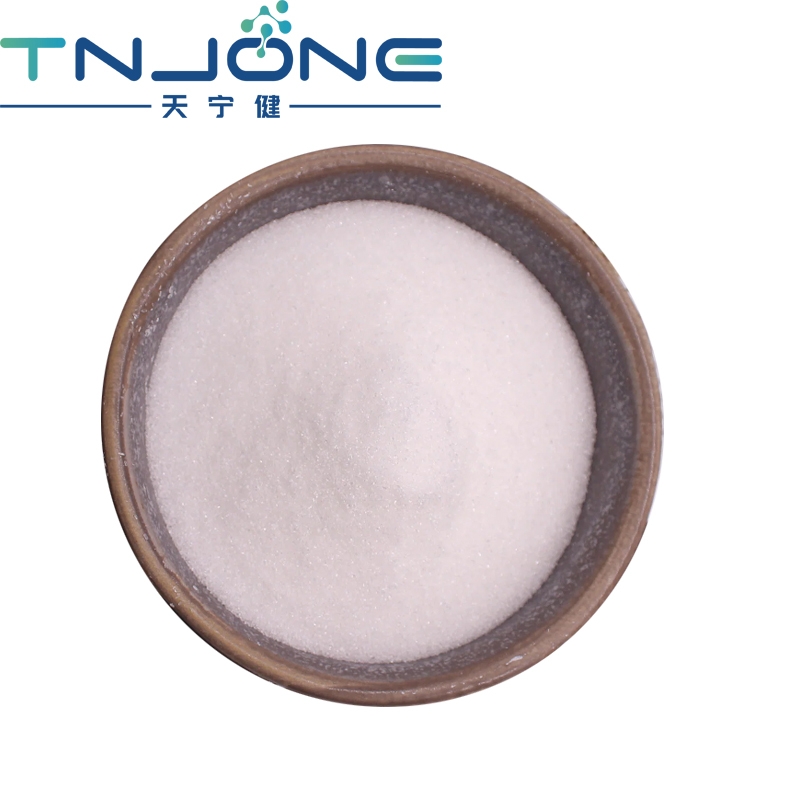


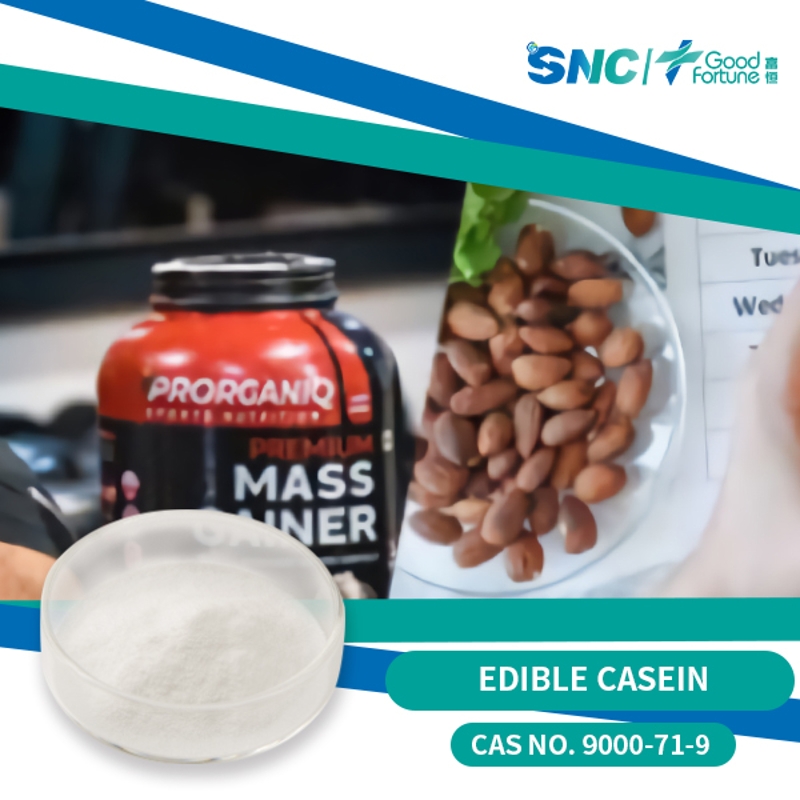
Casein
(9000-71-9)-

Food Grade / 99%
$12/KG FOB
-

Food Grade / 99%
$13/KG FOB
-

Food Grade / 99%
-

Food Grade / 99%


Request for quotation , get quotes from more suppliers.
Arabic gum
(9000-01-5)-

Industrial Grade,Food Grade / -
-

Food Grade / -
-

Food Grade / 99%
$4500-5000/MT FOB
-

Food Grade / 99%
$1.42-1.54/KG FOB



Request for quotation , get quotes from more suppliers.
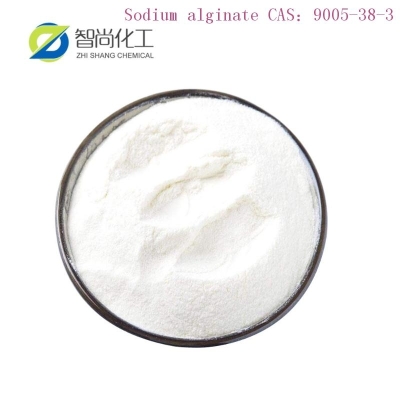
Sodium alginate
(9005-38-3)-

Food Grade / 99%
-

Food Grade / 99%
-

Food Grade / 99%
-

Food Grade / 99%


Frequently Asked Questions
A thickener is a substance added to liquids to increase their viscosity without substantially altering other properties. It works by interacting with the liquid medium—often water—to form a network that resists flow, thereby creating a thicker or more gel-like consistency. Common thickeners include natural gums (like xanthan gum), starches, cellulose derivatives, and synthetic polymers. They are widely used in food, cosmetics, pharmaceuticals, and industrial applications.
The most common food-grade thickeners include xanthan gum, guar gum, carrageenan, pectin, cornstarch, and modified food starch. Each has unique functional properties: for example, xanthan gum provides stability and viscosity even at low concentrations, while cornstarch is ideal for heat-activated thickening in sauces and gravies. Choosing the right thickener depends on factors like pH, temperature, desired texture, and compatibility with other ingredients.
Selecting the appropriate thickener involves considering several key factors:1. Application type (e.g., food, personal care, paint, or oil drilling).2. Desired viscosity and texture profile.3. Compatibility with other ingredients (e.g., pH sensitivity, ionic strength).4. Processing conditions such as temperature and shear stress.5. Regulatory compliance and labeling requirements (e.g., clean-label, organic, or allergen-free).Consulting technical datasheets and conducting small-scale trials can help identify the optimal thickener for your specific needs.
Whether natural or synthetic thickeners are “better” depends on the application and consumer preferences. Natural thickeners—such as agar, alginate, and starch—are often favored in clean-label or organic products due to consumer demand for recognizable ingredients. However, synthetic thickeners like carbomers or polyacrylates may offer superior stability, consistency, and performance in challenging environments (e.g., extreme pH or high temperatures). Both types must meet safety and regulatory standards for their intended use.
Yes, thickeners can significantly impact product shelf life and stability. By increasing viscosity, they help prevent ingredient separation (e.g., oil and water in emulsions), reduce sedimentation of solids, and inhibit microbial movement in some cases. Certain thickeners also contribute to moisture retention, which can extend freshness in baked goods or prevent drying in lotions. However, improper selection or overuse may lead to undesirable textures or interactions that compromise stability. Always validate thickener performance through stability testing under real-world storage conditions.