Product
Supplier
Encyclopedia
Inquiry
Home > Inorganic Chemistry > Inorganic Bases (Find 57 items)

Inorganic Bases

The inorganic base examples include sodium hydroxide and potassium hydroxide which are widely involved in the corrosion of metals and these corrosive bases can cause the deterioration of metal surfaces at a speedy rate through chemical reactions. Understand inorganic bases details including CAS No., properties and technical information about materials and products of high quality from our certified suppliers.

Potassium hydroxide

(1310-58-3)
Used as a desiccant, absorbent, used to make potassium soap, oxalic acid and various potassium salts, also used in electroplating, carving, lithography, etc.; mainly used as raw materials for potassium salt production, such as potassium permanganate, potassium carbonate, etc. . In the pharmaceutical industry, it is used in the production of potassium borohydride, spironolactone, salanol, progesterone and testosterone propionate. In the light industry, it is used to produce potassium soap, alkali

Product List

Price

Request for quotation , get quotes from more suppliers.

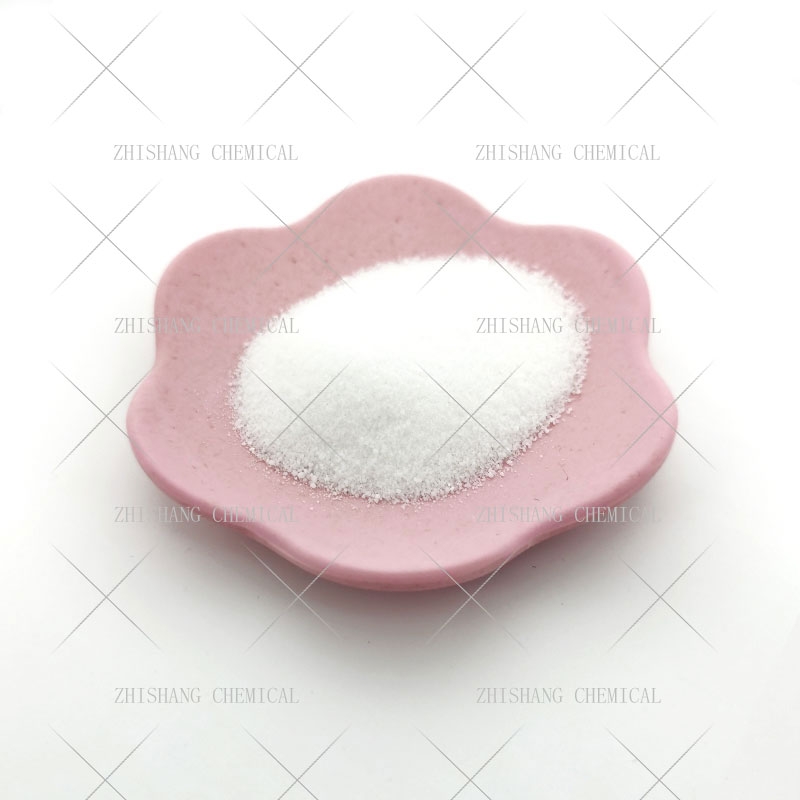
Lithium hydroxide, monohydrate

(1310-66-3)
Petroleum, chemical, light industry, nuclear industry, etc. When used in alkaline storage batteries, the aluminum content is not more than 0.06%, and the lead content is not more than 0.01%. Used as an analytical reagent, photographic developer, and also used in the manufacture of lithium; to be used as a raw material for preparing lithium compounds. It can also be used in metallurgy, petroleum, glass, ceramics and other industries; battery-grade lithium hydroxide monohydrate is mainly used in t

Product List

Price

News

Request for quotation , get quotes from more suppliers.

Ammonium hydroxide

(1336-21-6)
Ammonia solution, also known as ammonium hydroxide, ammonia water, ammonical liquor, ammonia liquor, aqua ammonia, aqueous ammonia, or simply ammonia, is a solution of ammonia in water. It can be denoted by the symbols NH3(aq). Although the name ammonium hydroxide suggests an alkali with composition [NH4+][OH−], it is actually impossible to isolate samples of NH4OH, as these ions do not comprise a significant fraction of the total amount of ammonia except in extremely dilute solutions.

Product List

Price

Request for quotation , get quotes from more suppliers.

Cobalt dihydroxide

(21041-93-0)
Production of co compds.Used to make cobalt salt, cobalt catalyst, impregnating solution for battery electrodes and paint desiccant; used for coloring glass and enamel, making cobalt compound, and desiccant for paint and varnish Used in the manufacture of cobalt salt raw materials, desiccant for paints and varnishes, and catalyst for the decomposition of hydrogen peroxide.

Product List

Request for quotation , get quotes from more suppliers.

Barium hydroxide

(17194-00-2)
Barium hydroxide are chemical compounds with the chemical formula Ba(OH)2(H2O)x. The monohydrate (x =1) is known as baryta, or baryta-water, it is one of the principal compounds of barium. This white granular monohydrate is the usual commercial form.

Product List

Price

Request for quotation , get quotes from more suppliers.

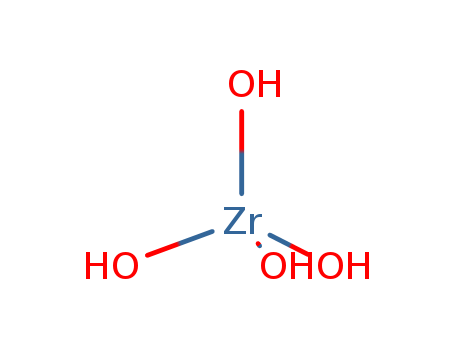
Zirconium tetrahydroxide

(14475-63-9)
Zirconium hydroxide plays a key role in industries such as catalysts, pigments, and electronic materials, acting like a versatile hand in the world of chemistry, continuously showing its diverse application potential. The chemical properties of zirconium hydroxide are complex and variable, and its chemical formula ZrO2·nH2O reveals that it is actually a hydrated oxide. Despite being classified as a hydroxide, zirconium hydroxide is not soluble in water, which is different from the common hydroxides. In fact, it is a strongly hydrophobic substance, and its insolubility in water is a core characteristic of its chemical reactivity and industrial applications. It can react with dilute inorganic acids, but it does not react with water. This insolubility gives it unique chemical behavior and reaction selectivity, like a canoe navigating through the ocean of chemical reactions, choosing its own course. a compound that exhibits a fascinating interplay of complexity and versatility, is a hydrated oxide with the chemical formula ZrO2·nH2O. This substance, though classified as a hydroxide, defies the common properties of its class by its remarkable insolubility in water. This unique hydrophobic characteristic sets it apart from other hydroxides and forms the crux of its chemical reactivity and industrial applications. The non-conformity of zirconium hydroxide to the typical solubility patterns of hydroxides is a testament to the intricate nature of its chemical properties. It is not easily soluble in water, a trait that is not only unusual but also highly advantageous. This insolubility allows it to maintain its structural integrity, making it a valuable component in the production of special glasses. When incorporated into glass formulations, zirconium hydroxide acts as a masterful artisan, meticulously enhancing the optical and thermal properties of the glass, thereby elevating its performance to superior levels. Beyond its role in the glass industry, zirconium hydroxide's unique chemical and physical attributes make it a star player in academic research. In the realm of materials science, it serves as a valuable tool for exploring the intricate relationship between structure and performance in novel materials. Its exceptional adsorption capabilities, akin to a magnet for pollutants, make it a potent agent in environmental science for purifying contaminated water and air. Moreover, it plays a pivotal role in the deep dive into chemical reaction mechanisms, acting as a microscopic lens that reveals the hidden intricacies of these processes. Zirconium hydroxide, with its enigmatic chemical properties and wide-ranging applications, is a significant contributor to the advancement of scientific knowledge, particularly in materials science, environmental science, and the understanding of chemical reaction mechanisms. It is a key that unlocks new possibilities, helping us harness its unique properties to address real-world challenges. As research and innovation continue to unfold, we can anticipate the discovery of even more applications of zirconium hydroxide, further expanding our knowledge base and our ability to solve complex problems, much like a beacon guiding us through the uncharted territories of the unknown world.

Product List

Request for quotation , get quotes from more suppliers.

Sodium carbonate decahydrate

(6132-02-1)
Spot analysis of manganese, thallium and carbonate, agricultural medium. Used as a food additive and detergent; used as an important raw material for glass, paper, soap, detergent, textile, leather and other industries; as a food additive and detergent; spot analysis and determination of manganese, thallium and carbonate, Agricultural medium.

Product List

Request for quotation , get quotes from more suppliers.

Sodium hydroxide

(1310-73-2)
1. Basic and important chemical feed, used as textiles industry, printing, detergent, paper-making, soap-mak inmetallurgy, glass enamel, medica mentoil-refining and making synthetic fiber, plastics, and many kinds of organic-mediacy.
2. Choline acetyltransferase substrate.
3. Used as alkalimetric titrant, buffers, pH modifiers.

Product List

Price

Request for quotation , get quotes from more suppliers.

Inorganic Bases is the product with the largest output in the basic chemical industry, and is a basic industrial raw material with a wide range of uses. Inorganic alkali is one of the important chemical raw materials. It is widely used in light industry, daily chemical, building materials, chemical industry, food industry, metallurgy, textile, petroleum, national defense, medicine and other fields. Detergents are also used in the fields of photography and analysis. Inorganic bases include soda ash and caustic soda.

Source Inorganic Bases Raw Materials by Region

More Information

Inorganic bases are ionic compounds when dissociated in water they form hydroxide ions (OH-). These substances provide significant functions in chemistry and have wide applications on industrial and commercial levels. Some of the examples include Sodium hydroxide (NaOH), Potassium hydroxide (KOH), and Calcium hydroxide (Ca(OH)2).

There are several prominent characteristics of inorganic bases such as these substances have a bitter taste and slippery feel when handled, these substances turn litmus paper blue by having a pH value above 7 and in a neutralization reaction they form salt and water. In addition, these inorganic bases also ionize in water solutions and are good conductors of electricity. These properties make the usefulness of inorganic bases in many chemical processes.

Some of its applications are as follows:

• Removal of acid spills or wastes

• pH adjustment

• Manufacturing of cosmetics, soaps and emulsifiers

• Food production, for example, baking soda

• Medicine such as antacids

Frequently Asked Questions

What are inorganic bases and how are they used in industrial applications?

Inorganic bases are chemical compounds that release hydroxide ions (OH⁻) in aqueous solutions and typically have a pH greater than 7. Common examples include sodium hydroxide (NaOH), potassium hydroxide (KOH), and calcium hydroxide (Ca(OH)₂). They are widely used in industries such as chemical manufacturing, water treatment, pharmaceuticals, and food processing for neutralization reactions, pH adjustment, and as catalysts or reagents in synthesis processes.

How do I choose the right inorganic base for my chemical process?

Selecting the appropriate inorganic base depends on several factors:1. The required pH level and reactivity for your specific reaction.2. Compatibility with other chemicals in the system to avoid unwanted side reactions.3. Purity and grade specifications—technical, reagent, or food/pharma grade—based on end-use requirements.4. Handling and safety considerations, as strong bases like NaOH are highly corrosive.Consulting material safety data sheets (MSDS) and working with certified suppliers ensures safe and effective selection.

What safety precautions should be taken when handling inorganic bases?

Inorganic bases, especially strong ones like sodium hydroxide and potassium hydroxide, are corrosive and can cause severe skin burns or eye damage. Essential safety measures include:• Wearing personal protective equipment (PPE) such as gloves, goggles, and lab coats.• Working in well-ventilated areas or fume hoods.• Storing bases in clearly labeled, corrosion-resistant containers away from acids.• Having emergency eyewash stations and spill kits readily available.Always follow OSHA and GHS guidelines for safe handling and disposal.

What is the difference between organic and inorganic bases?

The primary difference lies in their chemical composition: inorganic bases are typically metal hydroxides (e.g., NaOH, KOH) without carbon-hydrogen bonds, while organic bases contain carbon and often feature amine groups (e.g., triethylamine, pyridine). Inorganic bases are generally stronger, more soluble in water, and used in large-scale industrial processes, whereas organic bases are common in fine chemical synthesis and pharmaceutical manufacturing due to their selectivity and milder reactivity.

Where can I buy high-purity inorganic bases for laboratory or industrial use?

High-purity inorganic bases can be sourced from reputable chemical suppliers that comply with international quality standards such as ISO, REACH, and GMP. Look for vendors offering certificates of analysis (CoA), consistent batch-to-batch quality, and proper packaging for stability. Leading global and regional chemical distributors often provide grades tailored for laboratory research, electronics, pharmaceuticals, or bulk industrial applications. Always verify supplier credentials and regulatory compliance before procurement.

Feedback & Suggestions
Send Message

Thank you for your feedback. If you require further assistance, please contact us by email at info@echemi.com or call us at +86-532-55729510.