




Inorganic Chemistry
- • Elementary Substance (190)
- • Industrial Gases (21)
- • Inorganic Bases (56)
- • Inorganic Acid (57)
- • Inorganic Salts (1930)
- • Oxides and Peroxides (187)
- • Silica gel (5)
- • Non-metallic Minerals (14)
- • Coating Materials (24)
- • Phosphorus Compounds (50)
- • Iron Compounds (22)
- • Bromine Compounds (20)
Related News


Non-metallic Minerals
Non-metallic Minerals
Bentonite
(1302-78-9)-

Industrial Grade / 99%
-

- / 0.00%
-

- / 99.00%
-

Pharmaceutical Grade / 99%



Request for quotation , get quotes from more suppliers.
Mica-group minerals
(12001-26-2)-

Cosmetics Grade / 99%
-

-

-

Pharmaceutical Grade / 99%


MICA
(12251-00-2)-

Industrial Grade / 99.0%
-

-

Industrial Grade / 98%
-

Industrial Grade / 99%


Request for quotation , get quotes from more suppliers.
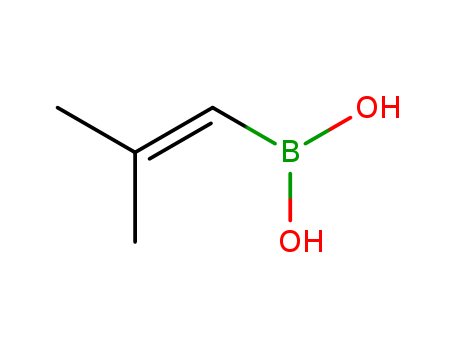
2,2-DIMETHYLETHENYLBORONIC ACID
(14559-88-7)-

- / 98%
$1/KG EXW
-
boronic acid")
- / 99.00%
-

Industrial Grade / 99.0%
-



Request for quotation , get quotes from more suppliers.
Fluorophlogopite
(12003-38-2)-
![buy Manufacturer Wholesale Fluorphlogopite(Mg3K[AlF2O(SiO3)3])CAS 12003-38-2]( "Manufacturer Wholesale Fluorphlogopite(Mg3K[AlF2O(SiO3)3])CAS 12003-38-2")
- / 0.00%
-

pharmaceutical grade / 99%
-
![buy China Manufacturer Wholesale Fluorphlogopite(Mg3K[AlF2O(SiO3)3])CAS 12003-38-2]( "China Manufacturer Wholesale Fluorphlogopite(Mg3K[AlF2O(SiO3)3])CAS 12003-38-2")
Pharmaceutical Grade / 0%
-

![buy Manufacturer Wholesale Fluorphlogopite(Mg3K[AlF2O(SiO3)3])CAS 12003-38-2](https://file.echemi.com/fileManage/upload/cas/822/24b80d26-dece-11eb-89d6-0255ac100033.png "Manufacturer Wholesale Fluorphlogopite(Mg3K[AlF2O(SiO3)3])CAS 12003-38-2")

![buy China Manufacturer Wholesale Fluorphlogopite(Mg3K[AlF2O(SiO3)3])CAS 12003-38-2](https://file.echemi.com/fileManage/upload/libraryImg/20240611/ebf816404d3c49a594715ae962cd5844.jpg "China Manufacturer Wholesale Fluorphlogopite(Mg3K[AlF2O(SiO3)3])CAS 12003-38-2")
Request for quotation , get quotes from more suppliers.
Source Non-metallic Minerals Products Supply
-

Industrial Grade / 99.999%
-

Industrial Grade / 99.0%
-

Industrial Grade / 99%
-
 selenide")
Industrial Grade / pharmaceutical grade / 99%


Request for quotation , get quotes from more suppliers.
-

Industrial Grade / 99.0%
-

-

-


Request for quotation , get quotes from more suppliers.
-

Industrial Grade / 42%
-

-

USP / EP / BP / JP Grade / 99%
-


Request for quotation , get quotes from more suppliers.
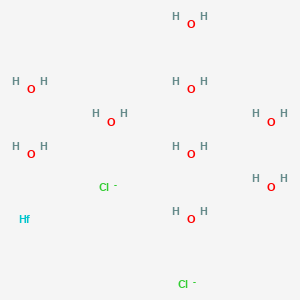
Hafnium chloride oxide (HfCl2O), octahydrate
(14456-34-9)-

Guaranteed Reagent / 99.99%
-

$1-1.3/KG FOB
-

-


Request for quotation , get quotes from more suppliers.
-
pyridine")
Industrial Grade / 99%
-
pyridin-3-amine")
-
pyridine")
-
pyridin-3-amine")


Request for quotation , get quotes from more suppliers.
Frequently Asked Questions
Non-metallic minerals are naturally occurring inorganic solids that do not contain metal elements and are not used as sources of metals. Common examples include limestone, gypsum, talc, silica sand, and kaolin. These minerals are widely used in construction (e.g., cement and aggregates), ceramics, glass manufacturing, agriculture (as soil conditioners), and chemical industries. Their unique physical and chemical properties make them essential raw materials across various sectors.
Non-metallic minerals lack metallic properties such as luster, malleability, and electrical conductivity, which are characteristic of metallic minerals like iron ore or copper. While metallic minerals are primarily processed to extract metals for industrial use, non-metallic minerals are utilized in their natural or minimally processed form for applications in building materials, fillers, coatings, and more. This fundamental difference influences their mining, processing, and end-use markets.
When sourcing non-metallic minerals, buyers should evaluate several quality parameters:1. Purity and chemical composition – critical for performance in sensitive applications like pharmaceuticals or electronics.2. Particle size and distribution – affects functionality in paints, plastics, or ceramics.3. Color and brightness – especially important in paper, cosmetics, and pigments.4. Moisture content and bulk density – influence handling and processing efficiency.5. Compliance with industry standards (e.g., ISO, ASTM) ensures reliability and consistency.
The construction industry is the largest consumer of non-metallic minerals, using materials like limestone, sand, and gravel for concrete and road building. Other major users include:- Ceramics and glass manufacturers (using feldspar, silica, and clay),- Paints and coatings (talc, calcium carbonate as extenders),- Plastics and rubber (as functional fillers),- Agriculture (gypsum for soil amendment),- Pharmaceuticals and cosmetics (high-purity talc or kaolin).Their versatility supports innovation and cost-efficiency across these sectors.
To select a trustworthy non-metallic minerals supplier, consider the following criteria:1. Proven track record and industry experience in your specific application sector.2. Consistent product quality backed by certifications (e.g., ISO 9001, REACH, FDA compliance where applicable).3. Transparent supply chain with traceable mineral sources and sustainable mining practices.4. Technical support capabilities to assist with material selection and formulation.5. Reliable logistics and ability to meet volume and delivery requirements consistently.Requesting samples and reviewing third-party test reports can further validate supplier credibility.