




Surfactant
- • Industrial Surfactant (81)
- • Non-ionic Surfactants (89)
- • Amphoteric Surfactants (28)
- • Cationic Surfactants (54)
- • Anionic Surfactants (70)
- • Antistatic Agents (4)
Related News
-
China: Two pesticide adjuvants will be completely banned
2022-10-14 -
2020 International Surfactants and Detergents Exhibition held in Shanghai
2020-05-09 -
Chuanwei Chemical made breakthrough in the localization of surfactants
2020-04-10 -
Ajinomoto adding new production line for surfactants in Japan
2018-12-10 -
Future of Surfactants Summit North America
2018-05-29 -
Surfactants-Based Products to See Significant Growth
2018-04-02

Non-ionic Surfactants Featured Products
Non-ionic Surfactants
Polyoxyethylene sorbitan monooleate
(9005-65-6)-

Industrial Grade / 99%
-
")
Industrial Grade / 99%
-
 supplier. High purity, CAS 9005-65-6. Emulsifier, solubilizer. Competitive price. In stock.")
Pharmaceutical Grade / 99.9%
-

- / 0.00%


Request for quotation , get quotes from more suppliers.
Glycerol 1-monooleate
(111-03-5)-
![buy 2-Pyridinamine,4-[6-(4-fluorophenyl)-2,3-dihydroimidazo[2,1-b]thiazol-5-yl]- 90% 222-1-w Dideu;CT200]( "2-Pyridinamine,4-[6-(4-fluorophenyl)-2,3-dihydroimidazo[2,1-b]thiazol-5-yl]- 90% 222-1-w Dideu;CT200")
Industrial Grade / 98%
-

- / 99%
-

Pharmaceutical Grade / 99%
-

- / 99.00%
![buy 2-Pyridinamine,4-[6-(4-fluorophenyl)-2,3-dihydroimidazo[2,1-b]thiazol-5-yl]- 90% 222-1-w Dideu;CT200](https://file.echemi.com/fileManage/upload/goodpicture/20230417/m20230417110500636.jpg "2-Pyridinamine,4-[6-(4-fluorophenyl)-2,3-dihydroimidazo[2,1-b]thiazol-5-yl]- 90% 222-1-w Dideu;CT200")


Request for quotation , get quotes from more suppliers.
Propylene glycol alginate
(9005-37-2)-

Food Grade / 99%
-

Pharmaceutical Grade / 99%
-

-




Request for quotation , get quotes from more suppliers.
Sorbitan monododecanoate
(1338-39-2)-

Industrial Grade / 99%
-

- / 0.00%
-

- / 99.00%
-

Industrial Grade / 99%


Request for quotation , get quotes from more suppliers.
Span 60
(1338-41-6)-
")
Food Grade / 99%
-

Chemical Grade / 99%
$1/G FOB
-

-

Pharmaceutical Grade / 99%


Request for quotation , get quotes from more suppliers.
Source Non-ionic Surfactants Products Supply
Tristearin
(555-43-1)-

Industrial Grade / 99%
-

- / 99.00%
-

Food Grade / 98%
-


Request for quotation , get quotes from more suppliers.
Triolein
(122-32-7)-
")
$1-1.2/KG FOB
-

-

- / 99.00%
-

Industrial Grade / 99.9%


Request for quotation , get quotes from more suppliers.
Polyethylene glycol lauryl ether
(9002-92-0)-

Industrial Grade / 99%
-

- / 0.00%
-

Industrial Grade / 99%
-
 CAS 9002-92-0 Nonionic Surfactant & Emulsifier")
Industrial Grade / 99%


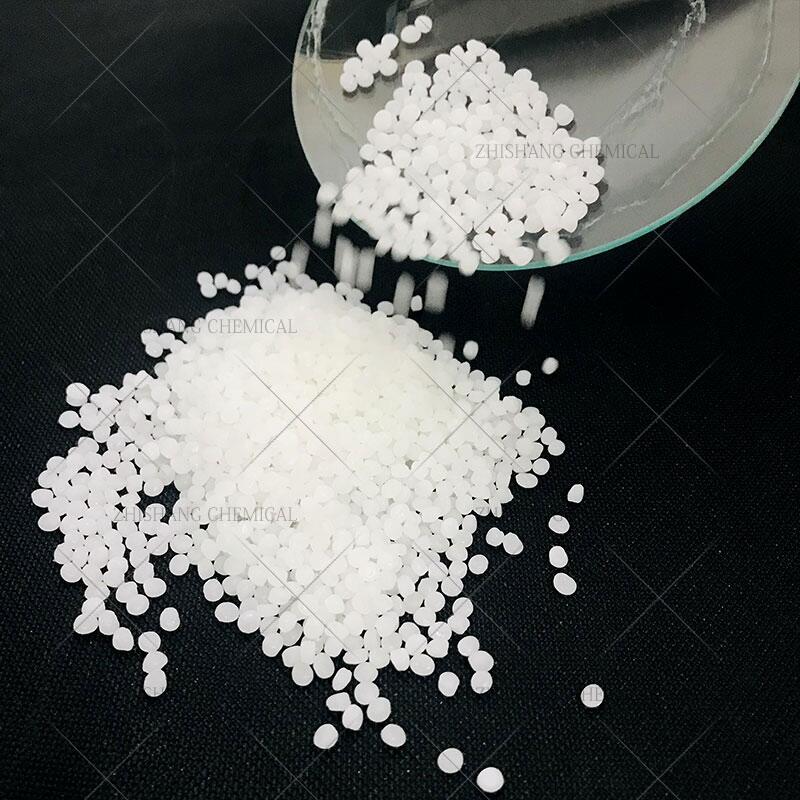

Pinacol
(76-09-5)The pinacol coupling reaction with the inorganic electride [Ca2N](+)·e(−) as an electron donor in organic solvents was studied.
-

Pharmaceutical Grade / 99%
-

- / 99.00%
-

- / 98%
-

Industrial Grade / 99%
$1/KG EXW


Request for quotation , get quotes from more suppliers.
Hydroxypropyl methyl cellulose
(9004-65-3)-
")
-

Chemical Grade / 98%
$1/KG FOB
-

Food Grade / 99%
-

Industrial Grade / 99%


Source Non-ionic Surfactants Raw Materials by Region


More Information
The term "surfactants" refers to substances that are employed in cleaning. Surfactants function by concentrating on the interface's surface to generate films that lower surface tension and eliminate debris and dust. Surfactants without any ions are known as non ionic surfactants. They are high molecular mass esters that are typically neutral in nature. Moreover, non ionic surfactants have comparatively limited water solubility.
It should be noted that the majority of non ionic surfactants have an alcohol group attached at the end, which indicates that the hydrogen bonding process has made them soluble in water. Non ionic surfactants have unique cloud point properties.
Professionals in landscaping and gardening use non ionic surfactant for herbicides
to help reduce the surface tension of liquids, which improves coverage and enables solutions to adequately enter their intended targets. This improves the efficiency of pesticides, herbicides, and other horticultural liquids while lowering waste.
Non ionic surfactants examples include:
•Non ionic surfactant for low-foaming detergents
•Non ionic surfactant for emulsifiers
•Non ionic surfactant for herbicides
•Non ionic surfactant for cosmetics
•Non ionic surfactant for paints and textiles
Frequently Asked Questions
Non-ionic surfactants are surface-active agents that do not carry an electrical charge in solution. They function by reducing surface tension between liquids or between a liquid and a solid, enabling better mixing, emulsification, wetting, and dispersion. Commonly used in detergents, personal care products, agrochemicals, and industrial applications, non-ionic surfactants are valued for their stability in hard water and compatibility with other surfactant types.
Common types of non-ionic surfactants include alcohol ethoxylates, alkylphenol ethoxylates (though increasingly restricted due to environmental concerns), fatty acid esters, amine oxides, and block copolymers like Pluronics (poloxamers). Each type offers distinct properties—such as cloud point, hydrophilic-lipophilic balance (HLB), and solubility—making them suitable for specific formulations in cleaning products, cosmetics, textiles, and pharmaceuticals.
Selecting the right non-ionic surfactant depends on several factors:1. Desired function (e.g., emulsifying, foaming, wetting, or dispersing).2. Compatibility with other ingredients in your formulation.3. Required HLB value for optimal performance.4. Environmental and regulatory considerations, especially regarding biodegradability and toxicity.5. Performance under specific conditions such as pH, temperature, and water hardness.Consulting technical data sheets and conducting small-scale trials can help identify the most effective option.
Yes, many non-ionic surfactants are considered safe for use in personal care and household products when used within recommended concentrations and in compliance with regulatory guidelines (e.g., from the FDA, EU Cosmetics Regulation, or EPA). They are generally less irritating than ionic surfactants and widely used in shampoos, body washes, laundry detergents, and dishwashing liquids. However, safety depends on the specific chemical structure, purity, and intended application—always verify compliance with local regulations and conduct appropriate toxicological assessments.
Non-ionic surfactants offer several advantages over ionic (anionic, cationic) types:1. Greater stability in hard water and high electrolyte environments.2. Lower foaming in some applications, which is beneficial in industrial processes.3. Better compatibility with other surfactants and formulation components.4. Generally milder and less irritating, making them ideal for sensitive skin products.5. Effective over a wide pH range.These properties make non-ionic surfactants versatile choices across cosmetics, agriculture, paints, and oil recovery applications.