Product
Supplier
Encyclopedia
Inquiry
Home > Water Treatment Chemical > Water Softener (Find 39 items)

Sort Water Softener Alphabetically

Water Softener

Struggling with hard water issues? Find the perfect water softeners raw materials for your needs. Check all the chemical products you need for water softeners with CAS NO., property information, and SDS. Shop water softener raw chemical materials from certified suppliers with detailed product information.

Sodium chloride

(7647-14-5)
In the production of chemicals (sodium hydroxide, soda ash, hydrogen chloride, chlorine, metallic sodium), ceramic glazes, metallurgy, curing hides, food preservative, mineral waters, soap manufacture (salting out), home water softeners, highway deicing, regeneration of ion-exchange resins, photography, food seasoning, herbicide, fire extinguishing, nuclear reactors, mouthwash, medicine (heat exhaustion), salting out dyestuffs, supercooled solutions. Single crystals are used for spectroscopy, uv

Product List

Price

Request for quotation , get quotes from more suppliers.

Sodium chloride

(7647-14-5)
In the production of chemicals (sodium hydroxide, soda ash, hydrogen chloride, chlorine, metallic sodium), ceramic glazes, metallurgy, curing hides, food preservative, mineral waters, soap manufacture (salting out), home water softeners, highway deicing, regeneration of ion-exchange resins, photography, food seasoning, herbicide, fire extinguishing, nuclear reactors, mouthwash, medicine (heat exhaustion), salting out dyestuffs, supercooled solutions. Single crystals are used for spectroscopy, uv

Product List

Price

Request for quotation , get quotes from more suppliers.

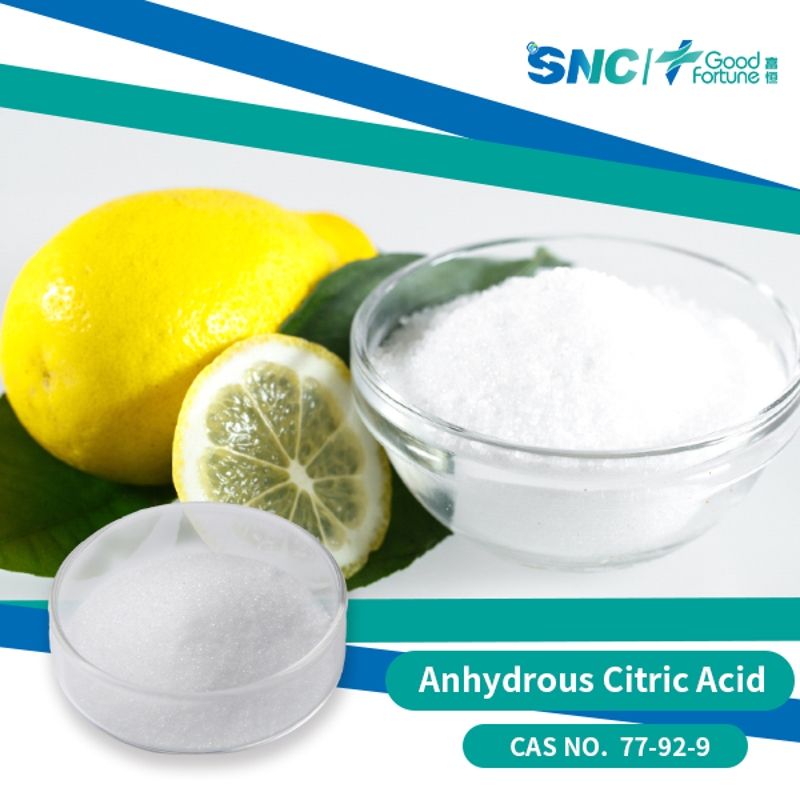
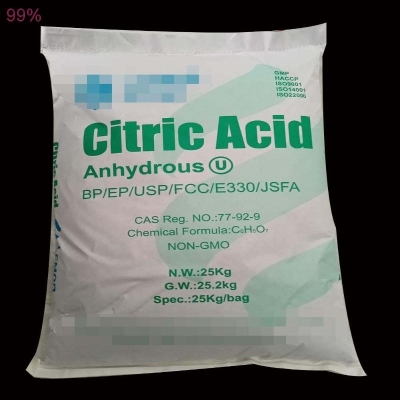
Citric acid

(77-92-9)
1. Citric acid is a weak organic acid that is known as a commodity chemical, as more than a million tonnes are produced every year by mycological fermentation on an industrial scale using crude sugar solutions, such as molasses and strains of Aspergillus niger. Citric acid is widely distributed in plants and in animal tissues and fluids and exist in greater than grace amounts in variety of fruits and vegetables, most notably in citrus fruits such as lemon and limes. Citric acid is mainly used as

Product List

Price

Request for quotation , get quotes from more suppliers.

Oxalic acid

(144-62-7)
Oxalic acid gets its name from the fact that early researchers isolated it from flowering plants of the genus Oxalis. It is the simplest dicarboxylic acid, a colorless monoclinic flaky or prismatic crystal or white powder, which dissolves in water to form a colorless solution. Oxalic acid produced by oxidation is odorless, while synthetic oxalic acid has a taste. It sublimates at 150-160°C and can weather in hot dry air. 1 g of oxalic acid dissolves in 7 mL of water, 2 mL of boiling water, 2.5 mL of ethanol, 1.8 mL of boiling ethanol, 100 mL of ether, and 5.5 mL of glycerol, and is insoluble in benzene, chloroform, and petroleum ether. The pH of a 0.1 mol/L solution is 1.3, the chemical formula is H₂C₂O₄, the relative density is 1.653, and the melting point is 189.5°C. It is present in many foods and is a naturally occurring compound in many fruits, vegetables, nuts, and whole grains. Although small amounts of oxalic acid are harmless, this compound can inhibit the absorption of other important nutrients. Excessive intake of oxalic acid or prolonged skin contact can be dangerous. It easily forms calcium oxalate with calcium ions in the human body, leading to kidney stones, so oxalic acid is often considered an antagonist of mineral absorption and utilization.

Product List

Price

Request for quotation , get quotes from more suppliers.

Water

(7732-18-5)
Water, with its remarkable ability to dissolve and combine various substances, serves as a central element in complex networks of chemical reactions. Its ability to dissolve a wide range of compounds not only showcases its versatility but also serves as the foundation for many chemical processes. In the hallowed halls of scientific laboratories, researchers are dedicated to exploring the complex interactions between water and other chemical substances in order to unveil the secrets of these reaction mechanisms. This exploration is of epoch-making significance, not only profoundly influencing scientific inquiry but also having a far-reaching impact on industrial applications, propelling human civilization forward. In the vast agricultural realm, water plays a pivotal role as well. It is the lifeblood of the earth, nourishing both plants and animals. As a medium for plants to absorb the nutrients they need for growth, water plays a fundamental role in the agricultural ecosystem. Moreover, water is the solvent for many agricultural chemicals, such as fertilizers and pesticides, which play a crucial role in pest control and crop yield enhancement. Therefore, the rational and efficient utilization of water resources is not only a practical matter in agriculture but also a science, with the potential to enhance the quantity and quality of agricultural products, thereby ensuring the global food supply and maintaining stability in the agricultural sector. Water plays multiple roles on Earth, serving as the foundation for the nourishment and development of life. It is the source of life, a precious resource of immeasurable value far beyond gold, and we must cherish it above all else. We bear both ethical and ecological responsibilities and must use and protect this precious resource in a rational and sustainable manner. Only by doing so can we ensure that our common home, the blue planet, continues to be a source of life and vitality, nurturing diverse ecosystems and species and thriving in the future.

Product List

Request for quotation , get quotes from more suppliers.

Diammonium hydrogen phosphate

(7783-28-0)
Fireproofing textiles, paper, wood, and vegetable fibers; impregnating lamp wicks; preventing afterglow in matches; flux for soldering tin, copper, brass, and zinc; purifying sugar; in yeast cultures; in dentifrices; in corrosion inhibitors; in fertilizers.

Product List

Price

Request for quotation , get quotes from more suppliers.

Diammonium hydrogen phosphate

(7783-28-0)
Fireproofing textiles, paper, wood, and vegetable fibers; impregnating lamp wicks; preventing afterglow in matches; flux for soldering tin, copper, brass, and zinc; purifying sugar; in yeast cultures; in dentifrices; in corrosion inhibitors; in fertilizers.

Product List

Price

Request for quotation , get quotes from more suppliers.

Polyacrylamide

(9003-05-8)
Polyacrylamide (IUPAC poly(2-propenamide) or poly(1-carbamoylethylene), abbreviated as PAM) is a polymer (-CH2CHCONH2-) formed from acrylamide subunits. It can be synthesized as a simple linear-chain structure or cross-linked, typically using N,N'-methylenebisacrylamide. In the cross-linked form, the possibility of the monomer being present is reduced even further. It is highly water-absorbent, forming a soft gel when hydrated, used in such applications as polyacrylamide gel electrophoresis and

Product List

Price

Request for quotation , get quotes from more suppliers.

Activated charcoal

(64365-11-3)
1. Beaching agent; deodorant; de-flavor agent; cleaning agent in food production; it is widely used in sugar, glucose, caramel, oil, fruit juice and wine drinks for decolorization purification, removal of colloidal substances and water treatment.
2. Used for PSA separation of air and preparation of nitrogen.
3. Mainly used in the Chinese or western original drug in pharmaceutical industry.
4. It is suitable for the decoloring and deodorization of brewing industry, production of

Product List

Price

Request for quotation , get quotes from more suppliers.

Dodecylbenzenesulphonic acid

(27176-87-0)
It can be used as a curing catalyst for amino baking paints, used to prepare various liquid and solid detergents; used as a raw material for washing powder, laundry paste, and industrial detergents

Product List

Request for quotation , get quotes from more suppliers.

Water softeners refer to substances used to reduce the hardness of water by removing calcium and magnesium ions. According to their mode of action, water softeners can be divided into ion exchange resins, which replace calcium and magnesium ions with sodium ions, and salt-based systems, which use salt to regenerate the resin. According to their form, water softeners can be categorized into liquid solutions, such as water softening agents, and solid forms, such as water softener pellets. "Water Softener" on ECHEMl mainly supplies raw materials for water softening.

More Information

Water softeners are widely utilized in water treatment processes today. They serve as essential agents for reducing the concentration of dissolved minerals, particularly calcium and magnesium ions, in water. This process, known as ion exchange, helps mitigate the negative effects of hard water, such as scaling and soap scum buildup in pipes and appliances.

Water softeners operate on the principle of ion exchange, wherein calcium and magnesium ions in hard water are exchanged for sodium or potassium ions present in the softening agent. This exchange effectively softens the water, making it more suitable for various domestic and industrial applications.

The main components of water softeners typically include:
•Ion exchange resin beads
•Salt (sodium chloride or potassium chloride)

Frequently Asked Questions

What is a water softener and how does it work?

A water softener is a device that removes hardness-causing minerals—primarily calcium and magnesium—from household or industrial water supplies. It typically uses an ion exchange process, where hard water passes through a resin bed charged with sodium or potassium ions. These ions swap places with the calcium and magnesium ions, effectively softening the water. This process helps prevent scale buildup in pipes, appliances, and fixtures.

What are the benefits of using a water softener?

Using a water softener offers several key benefits:1. Extends the lifespan of plumbing systems and water-using appliances by reducing limescale buildup.2. Improves soap and detergent efficiency, leading to cleaner laundry and softer skin.3. Reduces energy consumption in water heaters due to less scale insulating heating elements.4. Minimizes spotting on glassware and fixtures.These advantages contribute to both cost savings and enhanced comfort in residential and commercial settings.

How do I choose the right water softener for my home?

To select the appropriate water softener, consider these factors:1. Water hardness level—test your water to determine grains per gallon (GPG) of hardness.2. Daily water usage—calculate household demand to size the unit correctly.3. Regeneration type—choose between manual, timer-based, or demand-initiated regeneration for efficiency.4. Salt vs. salt-free systems—traditional ion-exchange softeners use salt, while salt-free options condition water without removing minerals.5. Certification—look for units certified by NSF/ANSI Standard 44 for performance and safety.

Do water softeners require regular maintenance?

Yes, water softeners need routine maintenance to operate efficiently. Key tasks include:1. Refilling salt regularly in ion-exchange systems (typically every 1–2 months).2. Cleaning the brine tank annually to prevent salt bridging or mushing.3. Checking resin beads for fouling or degradation every few years.4. Ensuring proper regeneration settings based on actual water usage.Proper upkeep ensures consistent soft water performance and prolongs system life.

Are there environmental concerns with using a water softener?

Traditional salt-based water softeners discharge brine during regeneration, which can contribute to increased sodium levels in wastewater—potentially affecting septic systems or local waterways. However, modern high-efficiency models minimize water and salt use through demand-initiated regeneration. Alternatives like template-assisted crystallization (TAC) or magnetic water conditioners offer salt-free solutions with lower environmental impact. Always check local regulations, as some municipalities restrict or regulate softener discharge.

Feedback & Suggestions
Send Message

Thank you for your feedback. If you require further assistance, please contact us by email at info@echemi.com or call us at +86-532-55729510.