




Biochemical Engineering
- • Amino Acids and Proteins (230)
- • Nucleic Acid Drugs (17)
- • Enzymes and Coenzymes Drugs (115)
- • Inhibitors (1101)
- • Biological Response Modifiers (15)
- • Fat Medicines (8)
- • Amino Acids and Derivatives (4214)
- • Saccharides (2385)
- • Biochemical Reagents (351)
- • Nucleoside Drugs (356)
- • Condensing Agent (40)
- • Polypeptide (770)
- • Biosynthetic Natural Products (108)
- • Plant Extracts (833)
- • Chinese Herbs (354)
- • Microbiology Reagents (11)
- • Protein Research (34)
- • Lipids (281)
- • Inflammation Mediators (128)
Related News
-
MENA Pharmaceutical Regulatory Updates 2026: Key Compliance Changes for Global Pharma Companies
2026-03-06 -
Trump Plans 25% Tariffs on Autos, Drugs and Semiconductor Chips
2025-02-20 -
2022H1: Top 10 Best-Selling Drugs in the World
2022-08-05 -
What is the chemistry in everyday life drugs?
2022-05-13 -
Cinda Biologics Picks Up 7th Heavyweight Variety Of 25 Innovative Drugs Revealed
2022-04-12 -
Lianhua Qingwen's Road to Internationalization is Getting Wider and Wider
2022-03-17


Nucleic Acid Drugs Featured Products
Nucleic Acid Drugs
Citicoline sodium
(33818-15-4)-

Pharmaceutical Grade / 99%
-

Food grade / 99%
-

Food Grade / 98%
$103-112/KG FOB
-

Pharmaceutical Grade / 99%


Request for quotation , get quotes from more suppliers.
Cytidine-5'-triphosphatedisodiumsaltdihydrate
(81012-87-5)-

- / 99.00%
-

Pharmaceutical Grade / 99%
-

Pharmaceutical grade / 99%
-

Industrial Grade / 99%
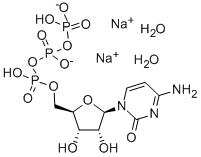

Request for quotation , get quotes from more suppliers.
Methanone, [(4aR,8aS)-4-(4-amino-6,7-dimethoxy-2-quinazolinyl)octahydro-1(2H)-quinoxalinyl]-2-furanyl-, hydrochloride (1:1), rel-
(146929-33-1)-

Industrial Grade / 99.0%
-

Industrial Grade / 98%
-

-

Pharmaceutical Grade / 99%


Request for quotation , get quotes from more suppliers.
-
 sodium salt")
Chemical Grade / 99%
$10/G EXW
-

Pharmaceutical Grade / 99%
-

Industrial Grade / 90%
-

Pharmaceutical Grade / 99%



Request for quotation , get quotes from more suppliers.
Adenosine
(58-61-7)-

- / 99%
-

USP / EP / BP / JP Grade / 99.9%
-

Industrial Grade / 99%
-

- / 0.00%



Source Nucleic Acid Drugs Products Supply
Inosine
(58-63-9)-

Pharmaceutical Grade / 99%
-

- / 0.00%
-

- / 99.00%
-

Industrial Grade / 98%


Request for quotation , get quotes from more suppliers.
cAMP
(60-92-4)-

Industrial Grade / 99%
-

Pharmaceutical Grade / 99%
-

- / 99.00%
-

Pharmaceutical Grade / 99.5%
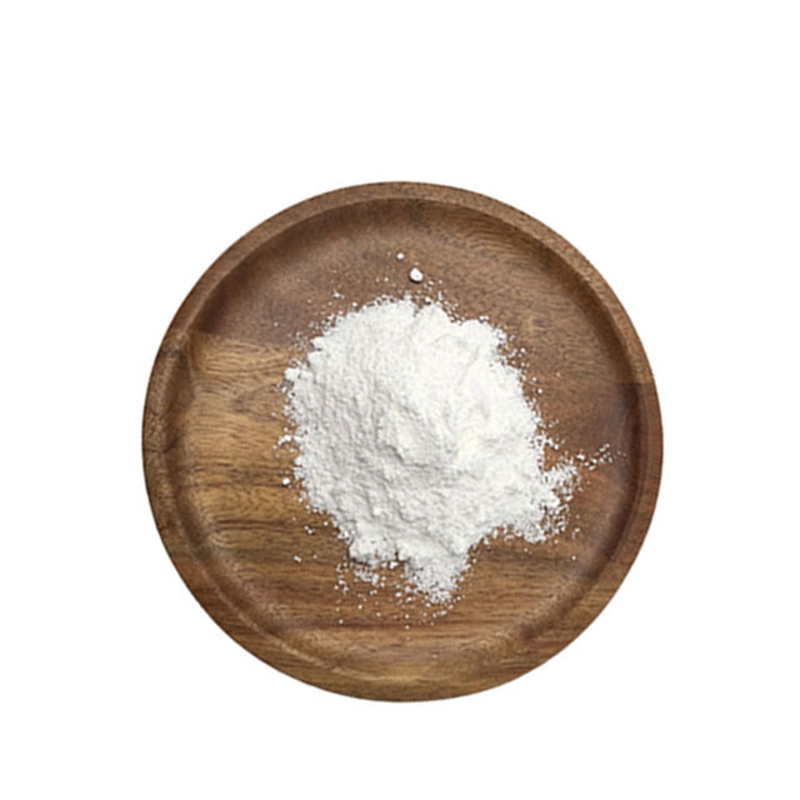
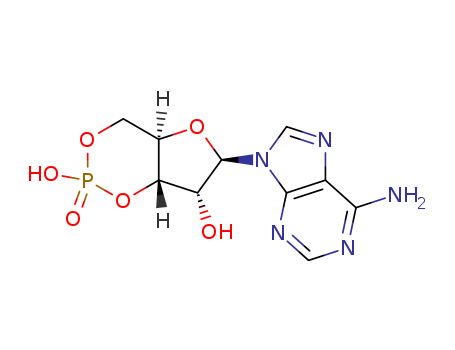
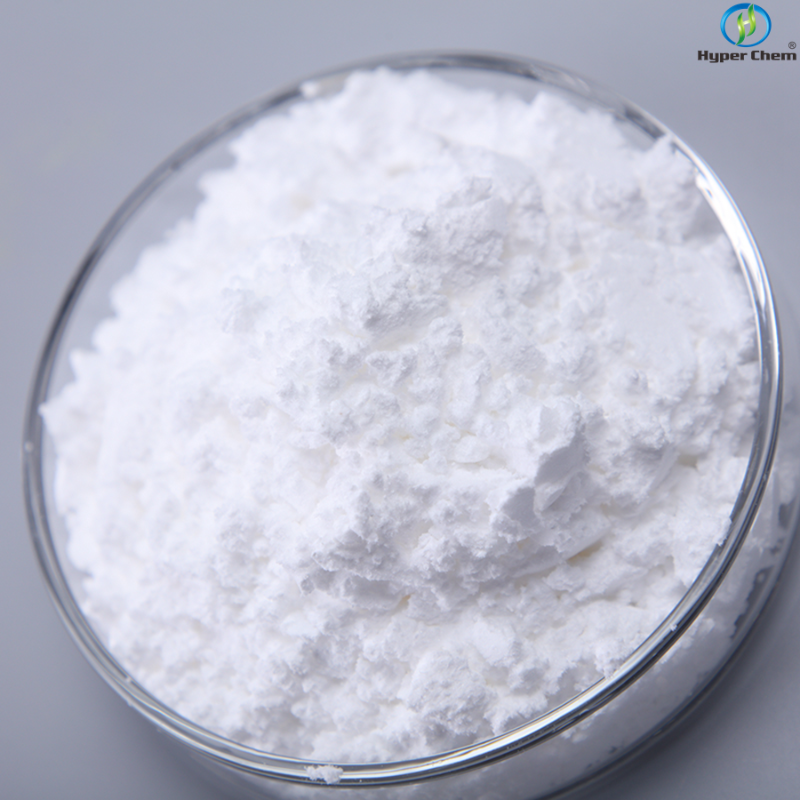
Request for quotation , get quotes from more suppliers.
5′-ATP
(56-65-5)-

Pharmaceutical grade / 99%
-

-

Pharmaceutical Grade / 99%
-

Cosmetics Grade / 98%

Request for quotation , get quotes from more suppliers.
RNA
(63231-63-0)-

Chemical Grade / 99%
$1/KG FOB
-

-

Pharmaceutical Grade / 99%
-

- / 99.00%


Amines, coco alkyl
(61788-46-3)-

- / 99%
-

- / 99.00%
-

Pharmaceutical Grade / 99%
-
, AMINES, COCO ALKYL Cocoamine")
Cosmetics Grade / 98%


Request for quotation , get quotes from more suppliers.
Frequently Asked Questions
Nucleic acid drugs are therapeutic agents based on DNA or RNA molecules that modulate gene expression to treat diseases. They include antisense oligonucleotides (ASOs), small interfering RNAs (siRNAs), microRNAs (miRNAs), aptamers, and mRNA-based therapeutics. These drugs work by targeting specific RNA sequences to either silence harmful genes, restore protein production, or stimulate immune responses. Their high specificity makes them promising for treating genetic disorders, cancers, and viral infections.
The main types of nucleic acid therapeutics include:1. Antisense oligonucleotides (ASOs) – bind to mRNA to block translation or induce degradation.2. Small interfering RNAs (siRNAs) – trigger RNA interference to silence specific genes.3. Messenger RNA (mRNA) vaccines and therapies – instruct cells to produce therapeutic proteins.4. Aptamers – single-stranded DNA or RNA molecules that bind specific targets like antibodies.5. CRISPR-based gene editing tools – though still largely in development, they represent a next-generation application of nucleic acid technology.
Delivery remains a major challenge for nucleic acid drugs due to their large molecular size, negative charge, and susceptibility to enzymatic degradation. Effective delivery systems—such as lipid nanoparticles (LNPs), polymer-based carriers, or conjugate technologies (e.g., GalNAc for liver targeting)—are essential to protect the drug, enhance cellular uptake, and ensure it reaches the intended tissue or organ. Overcoming immune activation and off-target effects is also critical for safety and efficacy.
Nucleic acid drugs are typically synthesized using solid-phase chemistry for oligonucleotides or in vitro transcription for mRNA. Manufacturing requires stringent quality control measures, including purity assessment (HPLC, CE), sequence verification (mass spectrometry), endotoxin testing, and sterility assurance. Facilities must comply with Good Manufacturing Practice (GMP) standards, especially for clinical and commercial batches, to ensure consistency, safety, and regulatory compliance.
When selecting a supplier or contract development and manufacturing organization (CDMO) for nucleic acid drugs, consider:1. Regulatory compliance (GMP, FDA/EMA audit history).2. Experience with specific modalities (e.g., siRNA, mRNA, ASO).3. Scalability from preclinical to commercial production.4. Analytical capabilities for characterization and stability testing.5. Intellectual property protection and supply chain reliability.Partnering with an experienced CDMO can significantly accelerate development timelines and reduce technical risks.