




Catalyst and Auxiliary
- • Antioxidants (113)
- • UV Absorbers (93)
- • Polyethylene Glycol Derivatives (73)
- • Fluorescent Brightener (62)
- • Plastic Rubber Chemicals (94)
- • Polymer (474)
- • Precious Metal Catalysts (246)
- • Coupling Agent (8)
- • Zeolite (5)
- • Flame Retardants (12)
- • Petrochemical (28)
Related News
-
Since September, the methanol market in China has shown a significant increase
2026-09-19 -
Premium Global Chemical Sourcing Requests (10-13Sep.,2026)
2026-09-14 -
UK Opens Formal Review of AkzoNobel–Axalta $25 Billion Merger
2026-09-19 -
U.S. Formally Imposes Antidumping and Countervailing Duty Orders on Chinese L-Lysine
2026-09-19 -
Premium Global Chemical Sourcing Requests (14-16Sep.,2026)
2026-09-17 -
2026 Mid-Autumn Festival & National Day Holiday Notice
2026-09-22

UV Absorbers Featured Products
UV Absorbers
Cyanuric acid
(108-80-5)-

Industrial Grade / 99%
-

-

- / 0.00%
-

- / 99.00%


Request for quotation , get quotes from more suppliers.
UV 328
(25973-55-1)-
 benzotriazole")
National Grade / 99%
-

- / 0.00%
-
-4,6-ditertpentylphenol")
- / 99.00%
-

Pharmaceutical Grade / 99%


Request for quotation , get quotes from more suppliers.
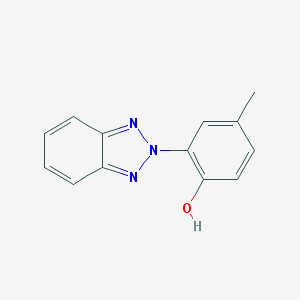
Benazol P
(2240-22-4)-

Industrial Grade / 99%
-

-
-p-cresol")
Industrial Grade / 99%
-


Request for quotation , get quotes from more suppliers.
2,2′-Dihydroxy-4,4′-dimethoxybenzophenone
(131-54-4)-

Cosmetics Grade / 99%
-

-
")
$1-1.2/KG FOB
-

Industrial Grade / 99%
$1/KG EXW


Request for quotation , get quotes from more suppliers.
Tinuvin 1577
(147315-50-2)-

National Grade / 99%
-

-

Industrial Grade / 99%
$1/KG EXW
-

Pharmaceutical Grade / 98%


Request for quotation , get quotes from more suppliers.
Source UV Absorbers Products Supply
1H-Benzotriazole
(95-14-7)-

Industrial Grade / 99%
-

Chemical Grade / 99%
$1/KG FOB
-

-

- / 0.00%



Request for quotation , get quotes from more suppliers.
2,4-Dihydroxybenzophenone
(131-56-6)-

- / 99.00%
-

- / 99%
-
")
-

pharmaceutical grade/food grade / 99%



Request for quotation , get quotes from more suppliers.
Tolyltriazole
(29385-43-1)-

Chemical Grade / 99%
-

-

- / 99.00%
-


Request for quotation , get quotes from more suppliers.
Drometrizole
(2440-22-4)-

- / 0.00%
-

- / 99.00%
-

- / 99%
-


Request for quotation , get quotes from more suppliers.
Benzhydrol
(91-01-0)-

Pharmaceutical Grade / 99%
-

- / 0.00%
-

- / 99.00%
-

- / 99%



Request for quotation , get quotes from more suppliers.
Source UV Absorbers Raw Materials by Region


More Information
UV absorbers are significant additives that help shield materials from the impacts of ultraviolet radiation, thus enhancing their useful life. These additives, including benzotriazole UV absorbers, protect products from fading, cracking, or yellowing due to exposure to sunlight by absorbing UV rays and converting them into heat. The high efficiency of chemical UV absorbers makes them a highly adopted choice by many industries, especially those where the products may come into contact with the elements or are subjected to high levels of UV radiation.
These absorbers are made with great accuracy to suit various industries as they are stable, compatible, and efficient. Benzotriazole-based systems are very useful in polymer and coating systems where they offer excellent UV protection with minimal disruption to the mechanical properties of the material.
Applications of UV Absorbers are:
● Improving the performance of plastics in the application of outdoor environments.
● The use of UV absorbers on automotive coatings.
● Protection of wooden finishes from the sunrays.
● Enhancing the life expectancies of adhesives and sealants.
● Preventing colour fading in textiles and dyes.
Frequently Asked Questions
UV absorbers are chemical compounds added to materials such as plastics, coatings, cosmetics, and textiles to absorb ultraviolet (UV) radiation from sunlight. They work by converting harmful UV rays into less damaging heat energy, thereby protecting the material or skin from photodegradation, discoloration, or damage. Common types include benzophenones, benzotriazoles, and triazines.
UV absorbers are widely used across multiple industries:1. In plastics and polymers to prevent yellowing and brittleness.2. In automotive coatings to maintain gloss and color stability.3. In personal care products like sunscreens for skin protection.4. In adhesives, inks, and wood finishes to enhance durability under sunlight.Their use ensures product longevity and performance in UV-exposed environments.
Selecting the right UV absorber depends on several factors:1. Compatibility with your base material (e.g., polymer type or cosmetic emulsion).2. Required wavelength range of UV protection (UVA, UVB, or both).3. Thermal and photochemical stability during processing and use.4. Regulatory compliance, especially for food-contact or cosmetic applications.Consulting technical data sheets and conducting compatibility tests can help identify the optimal UV absorber.
Yes, many UV absorbers approved by regulatory bodies like the FDA and EU Commission are safe for use in cosmetics and sunscreens when used within recommended concentrations. Common examples include oxybenzone, avobenzone, and octinoxate. However, some ingredients may cause sensitivities in certain individuals, so patch testing and adherence to regional safety guidelines are essential.
While often used together, UV absorbers and UV stabilizers function differently. UV absorbers absorb UV radiation and convert it into harmless heat, acting as a 'sunscreen' for materials. UV stabilizers—particularly hindered amine light stabilizers (HALS)—interrupt the degradation process caused by free radicals after UV exposure. For maximum protection, formulations often combine both types to provide comprehensive defense against photodegradation.