




Food Additives
- • Coating Agent (19)
- • Preservative (33)
- • Coloring Agent (40)
- • Gum Base Agent (25)
- • Anticaking Agent (7)
- • Food Antioxidants (41)
- • Enzyme (49)
- • Flour Treatment Agent (4)
- • Leavening Agent (1)
- • Bleach (3)
- • Other Food Additives (88)
- • Emulsifier (25)
- • Food Flavorings (30)
- • Water Retention Agent (1)
- • Acidity Regulators (7)
- • Sweeteners (36)
- • Stabilizer and Coagulants (4)
- • Defoamers (5)
- • Nutrition Supplements (171)
- • Thickener (30)
- • Odorants (29)
- • Colorant (16)
Related News
-
Can Consuming Nonsugar Sweeteners Impact Gut Microbes and Inflammatory Markers?
2024-01-04 -
Aalst Chocolate's Strategic Investment in Innovation to Cater to Evolving Consumer Preferences
2023-11-22 -
Food tech company rebrands following $30 million capital raise
2023-06-12 -
Food technology company Incredo completed a $30 million C-round financing
2023-06-05 -
Excessive doses of sucralose reduced the immune response in mice
2023-03-24 -
Supply and demand two-way power generation sugar market is still a great 'article' to do
2022-10-18


Sweeteners Featured Products
Sweeteners
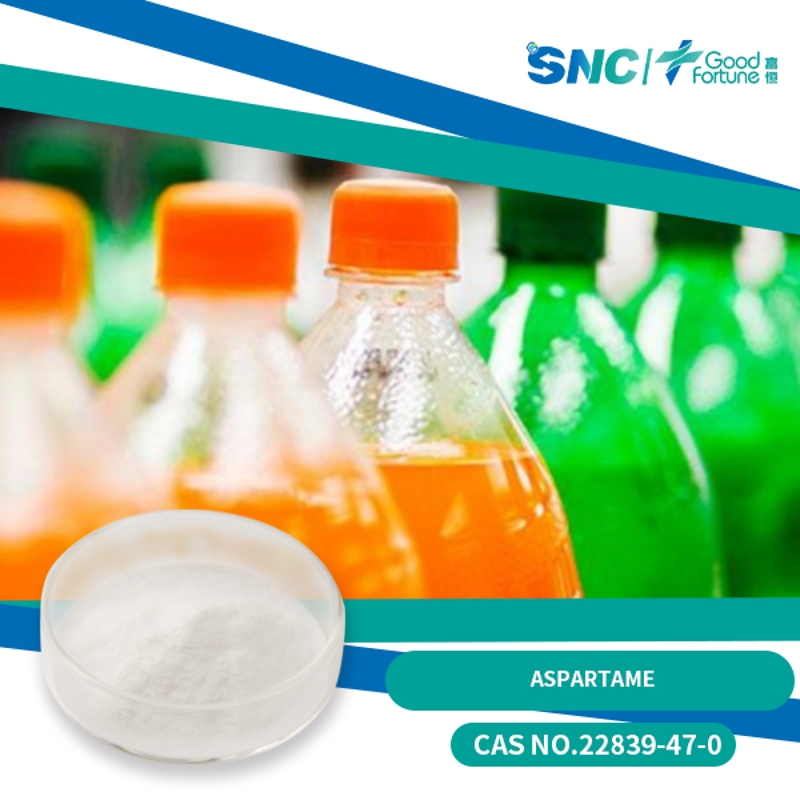
Aspartame
(22839-47-0)-

Food Grade / -
-

Food Grade / 98.0%
-

pharmaceutical grade/food grade / 99%
-

Food Grade / 99%



Acesulfame
(33665-90-6)-

pharmaceutical grade/food grade / 99%
-

Food Grade / 99%
-

Food Grade / 99.9%
$5.03/KG EXW
-
 CAS 33665-90-6")
Food Grade / 99%


Request for quotation , get quotes from more suppliers.
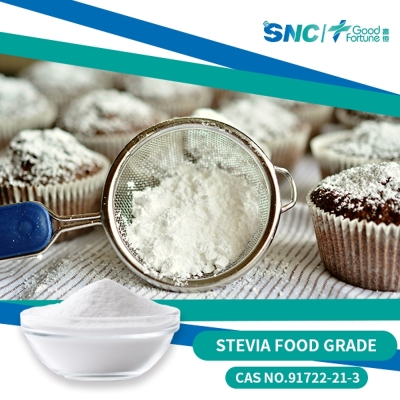
Stevioside
(57817-89-7)2. Sweetener
-

Food Grade / 99%
-

pharmaceutical grade/food grade / 98%
-

Food Grade / 98%
-

Food Grade / 98%



Request for quotation , get quotes from more suppliers.
Glycyrrhetinic acid
(471-53-4)-

-

- / 0.00%
-

- / 99.00%
-

Reagent Grade / 99%
$10-12/KG FOB


Request for quotation , get quotes from more suppliers.
Neotame
(165450-17-9)-

Food Grade / 99%
-

Food Grade / 99%
-

Food Grade / 99%
-

Food Grade / 99%
$1-1.2/KG FOB


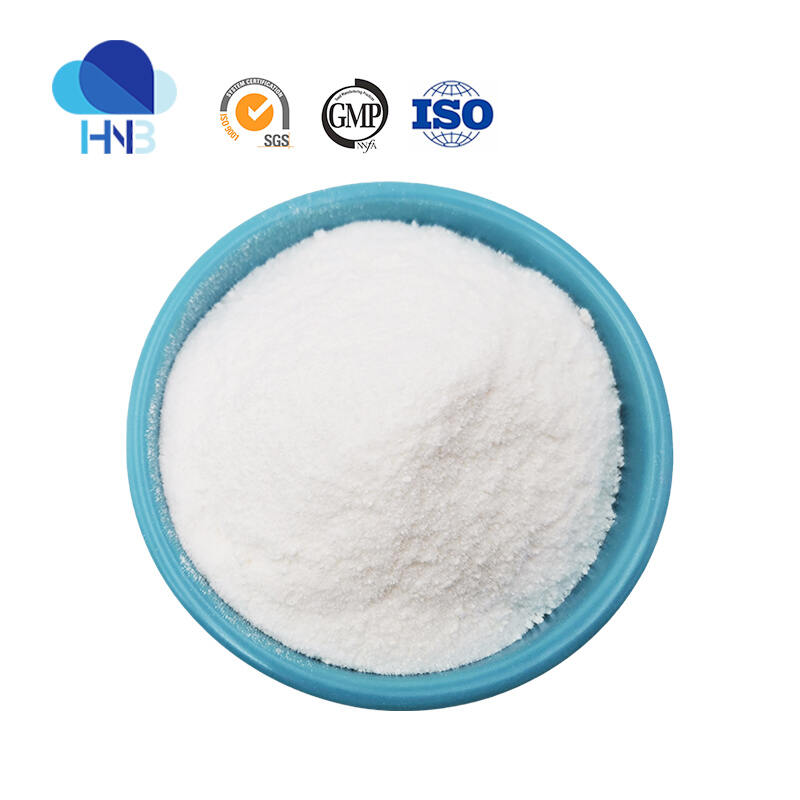

Source Sweeteners Products Supply
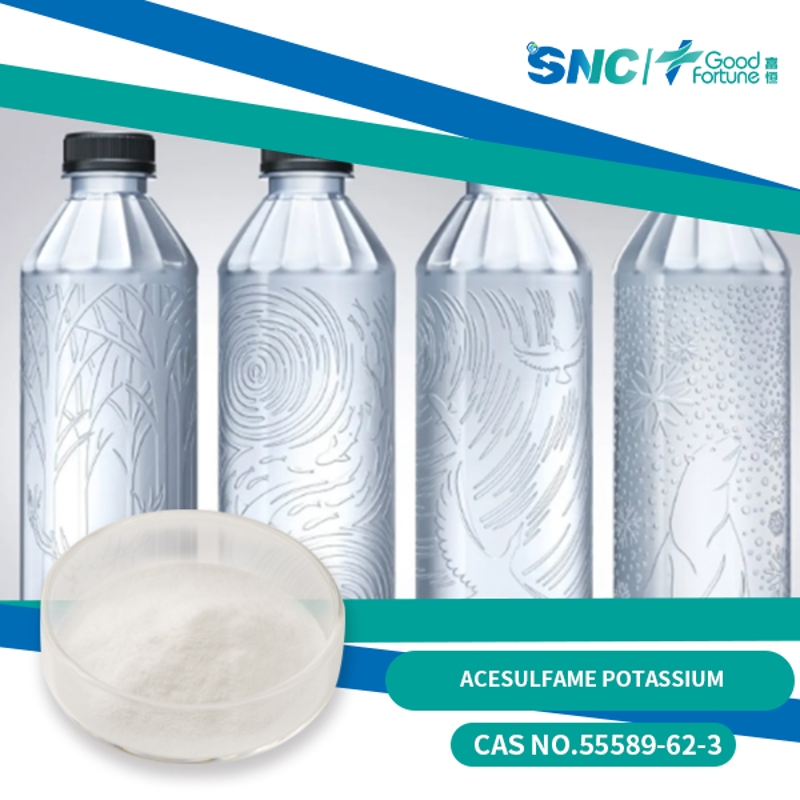
Acesulfame potassium
(55589-62-3)-

Food Grade / 99.9%
-

Food Grade / 99%
-

pharmaceutical grade/food grade / 99%
-

Food grade / 99%


-

Food Grade / 99.9%
-

Food Grade / 99%
-
 -Glucose Monohydrate")
Food Grade / 99.9%
-


Request for quotation , get quotes from more suppliers.
Dihydrochalcone
(1083-30-3)-

-

-

-

Industrial Grade / 99%


Request for quotation , get quotes from more suppliers.
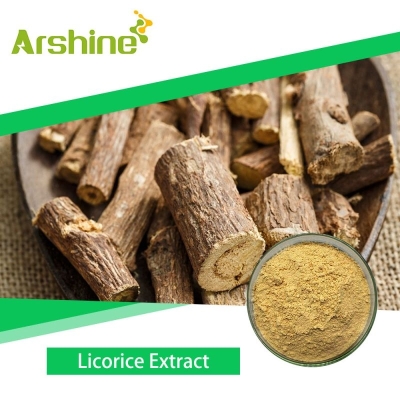
Licorice extract
(68916-91-6)-

Food Grade / 65%
-
 CAS 68916-91-6")
Food Grade / 99%
-

-

Pharmaceutical Grade / 99%


Request for quotation , get quotes from more suppliers.
Mogroside V
(88901-36-4)-

Food Grade / 20%
-

Food Grade / 25%
-

Food Grade / 25%
-

Food Grade / 25%



Request for quotation , get quotes from more suppliers.
Frequently Asked Questions
Sweeteners are food additives used to impart a sweet taste to products without the calories or blood sugar impact of traditional sugar. They can be natural (like stevia or monk fruit) or artificial (such as aspartame or sucralose). Sweeteners work by binding to taste receptors on the tongue, triggering a sweet sensation. They are commonly used in diet sodas, sugar-free desserts, and low-calorie snacks to reduce sugar intake while maintaining palatability.
Natural sweeteners are derived from plant sources or occur naturally in foods—examples include stevia, erythritol, and xylitol. Artificial sweeteners, like saccharin, aspartame, and acesulfame potassium, are synthetically produced in laboratories. While both types provide sweetness with fewer or no calories, natural options are often preferred by consumers seeking clean-label or minimally processed ingredients. Each type has different stability, sweetness intensity, and regulatory approvals that influence their use in food manufacturing.
Yes, approved sweeteners are generally recognized as safe (GRAS) by regulatory bodies such as the U.S. FDA, EFSA, and WHO when consumed within established Acceptable Daily Intakes (ADIs). These limits are set well below levels that could pose health risks, even with lifelong use. However, individuals with specific medical conditions—such as phenylketonuria (PKU), who must avoid aspartame—should check labels carefully. For most people, moderate use of approved sweeteners poses no significant health concerns.
Not all sweeteners perform well under high heat. Sucralose, erythritol, and allulose are heat-stable and suitable for baking, providing texture and browning similar to sugar. Stevia and monk fruit extracts are also heat-resistant but may require bulking agents to mimic sugar’s volume. In contrast, aspartame breaks down when heated and is not recommended for cooking. Choosing the right sweetener depends on the recipe, desired sweetness level, and whether calorie reduction or glycemic impact is a priority.
Selecting a reliable sweetener supplier involves evaluating several key factors:1. Regulatory compliance—ensure the supplier meets FDA, EFSA, or local food safety standards.2. Product purity and consistency—request Certificates of Analysis (CoA) and documentation on sourcing.3. Technical support—reputable suppliers offer formulation guidance and stability testing.4. Scalability and logistics—verify they can meet your volume needs with consistent lead times.5. Sustainability and transparency—many manufacturers now prioritize non-GMO, organic, or eco-friendly certifications. Partnering with an experienced, certified supplier ensures product quality and regulatory adherence in your final goods.