




Organic Chemistry
- • Amides (2637)
- • Alcohols, Phenols, Phenol Alcohols (335)
- • Nitrogen Compounds (269)
- • Nitrile Compound (96)
- • Hydrazine or Hydroxylamine Derivatives (213)
- • Quinones (38)
- • Ethers and Derivatives (191)
- • Aldehydes (123)
- • Carboxylic Acids and Derivatives (842)
- • Hydrocarbons and Derivatives (2329)
- • Ketones (94)
- • Inorganic Acid Esters (172)
- • Heterocyclic Ring (414)
- • Organometallic Compounds (981)
- • Organosulfur Compounds (87)
- • Phosphines (735)
- • Organometalate (290)
- • Organic Fluorine Compound (2129)
- • Triazenes (18)
- • Semicarbazides (33)
- • Organoselenium Compounds (28)
- • Nitro Compounds (96)
- • Nitrates (15)
- • Lactones (240)
- • Imines (24)
- • Free Radicals (48)
- • Dioxins and Dioxin-like Compounds (31)
- • Cyanates (32)
- • Coordination Complexes (3065)
- • Boron Compounds (114)
- • Azides (67)
- • Arsenicals (56)
Related News


Nitrile Compound Featured Products
Nitrile Compound
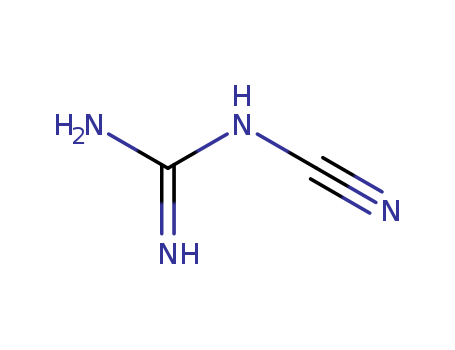
Dicyandiamide
(461-58-5)-

-

- / 0.00%
-

- / 99.00%
-

Industrial Grade / 99.5%



Malononitrile
(109-77-3)-

Industrial Grade / 99%
-

-

Industrial Grade / 99%
$2-2.5/G FOB
-

Pesticide Grade / 99%


Request for quotation , get quotes from more suppliers.
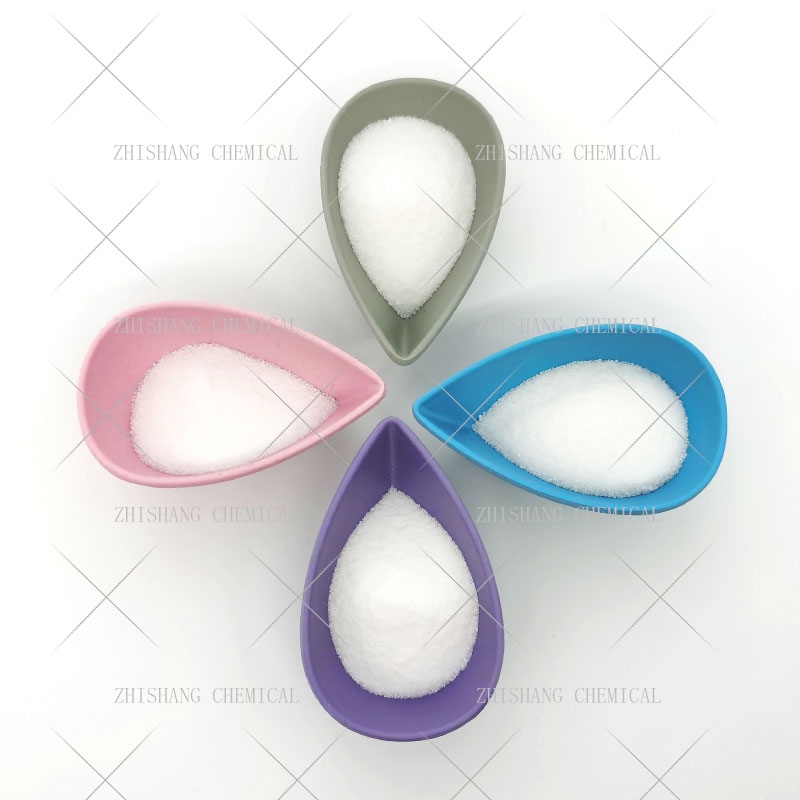
Acetonitrile
(75-05-8)-

Industrial Grade / 99%
-

-

Pharmaceutical Grade / 99%
-

Pharmaceutical Grade / 99.99%
$33-34/G FOB


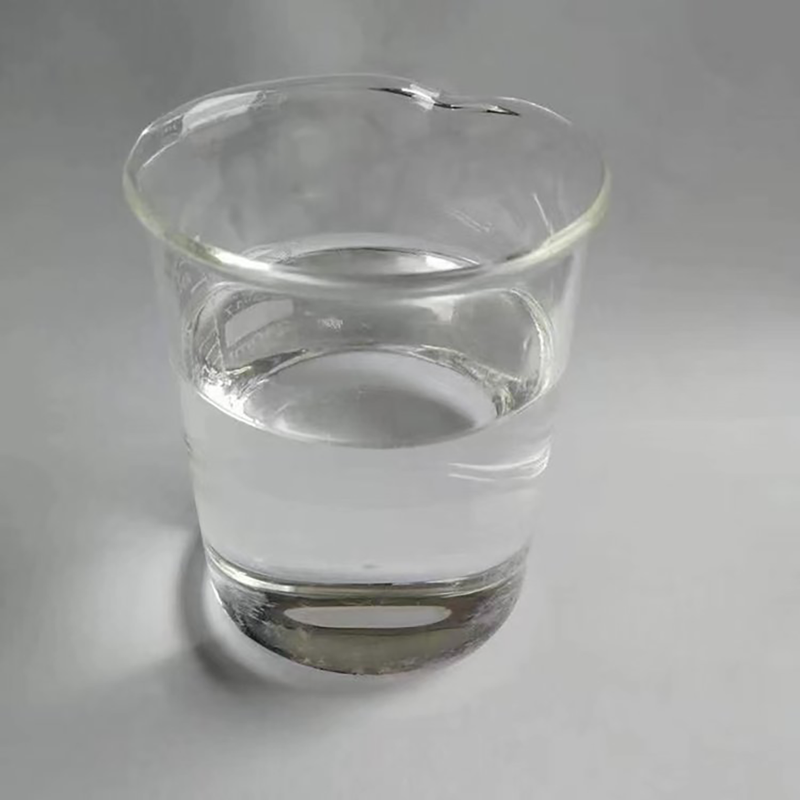
Maleic acid
(110-16-7)-

Industrial Grade / 99%
-

- / 99.00%
-

-





Request for quotation , get quotes from more suppliers.
Acrylonitrile
(107-13-1)-

Industrial Grade / 99.0%
$1/MT FOB
-

-

Industrial Grade / 99%
-

Pharmaceutical Grade / 99.5%


Source Nitrile Compound Products Supply
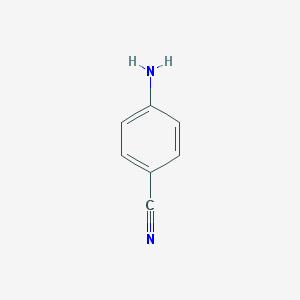
4-Aminobenzonitrile
(873-74-5)-

Industrial Grade / 99.5%
-

- / 99.00%
-

- / 99%
$1/KG EXW
-

industrial Grade / 98%

Request for quotation , get quotes from more suppliers.
(4-Chlorophenyl)acetonitrile
(140-53-4)-

-

- / 99.00%
-

Industrial Grade / 99%
-

industrial Grade / 98%


Request for quotation , get quotes from more suppliers.
Ethyl ziram
(14324-55-1)-

- / 99.00%
-

Industrial Grade / 99%
$1/KG EXW
-

industrial Grade / 98%
-
-80")
Pharma Grade / 99%
$28/KG EXW



Request for quotation , get quotes from more suppliers.
Dipentamethylenethiuram tetrasulfide
(120-54-7)-
-80")
Pharma Grade / 99%
$28/KG EXW
-
thiuram tetrasulfide Medical Grade CAS120-54-7")
Pharmaceutical Grade / 99.5%
-
")
Industrial Grade / 99%
-
 99% high quality see COA KANBEI")
Industrial Grade / 99%


Request for quotation , get quotes from more suppliers.
Isophthalonitrile
(626-17-5)-

Industrial Grade / 99%
-

- / 99.00%
-

-

Industrial Grade / 99%
$1/KG EXW


Request for quotation , get quotes from more suppliers.
Source Nitrile Compound Raw Materials by Region


Frequently Asked Questions
A nitrile compound is an organic molecule containing a –C≡N functional group, where a carbon atom is triple-bonded to a nitrogen atom. Nitrile compounds are widely used in the chemical, pharmaceutical, and polymer industries due to their reactivity and versatility. Common examples include acrylonitrile and benzonitrile, which serve as key intermediates in synthesizing plastics, synthetic rubbers, and active pharmaceutical ingredients (APIs).
Nitrile compounds have diverse industrial applications:1. In pharmaceutical manufacturing, they act as intermediates for APIs and fine chemicals.2. In polymer production, acrylonitrile is used to make ABS plastic and nitrile rubber.3. As solvents—e.g., acetonitrile is a popular polar aprotic solvent in HPLC and organic synthesis.4. In agrochemicals for synthesizing pesticides and herbicides.Their stability and reactivity make them indispensable across multiple sectors.
Nitrile compounds are commonly synthesized through several well-established methods:1. Dehydration of amides or aldoximes using reagents like phosphorus pentoxide or thionyl chloride.2. Nucleophilic substitution of alkyl halides with cyanide salts (e.g., NaCN or KCN).3. Catalytic ammoxidation of hydrocarbons, such as converting propylene to acrylonitrile.Each method is selected based on feedstock availability, desired yield, safety considerations, and environmental impact.
The safety of nitrile compounds varies by specific structure and concentration. While many nitriles (like those used in nitrile gloves) are stable and low-risk, others—especially low-molecular-weight nitriles such as hydrogen cyanide or acetonitrile—can be toxic if inhaled, ingested, or absorbed through the skin. Proper handling requires personal protective equipment (PPE), adequate ventilation, and adherence to SDS (Safety Data Sheet) guidelines. Industrial users should ensure compliance with OSHA or REACH regulations.
When selecting a supplier for nitrile compounds, consider these key factors:1. Regulatory compliance—verify certifications like ISO 9001, GMP, or REACH registration.2. Purity and quality control—request certificates of analysis (CoA) and batch-specific testing data.3. Manufacturing capacity and consistency—ensure scalable and reliable production.4. Technical support and documentation—reputable suppliers provide detailed safety and handling information.5. Global logistics capability for timely delivery. Choosing a qualified supplier minimizes risk and ensures supply chain integrity.