




Natural Products
- • Lignans (234)
- • Xanthones (46)
- • Flavonoids (471)
- • Terpenes (775)
- • Iridoid Derivatives (92)
- • Coumarin and Derivatives (121)
- • Phenols (341)
- • Steroids (104)
- • Phenylpropanoids (75)
- • Anthraquinone and Derivatives (16)
- • Chalcones (47)
- • Alkaloids (501)
- • Quinone Ring (28)
- • Sesquiterpene (228)
Related News
-
Credit Suisse triggers anxiety, international crude oil and natural gas collectively plummet
2023-03-16 -
Germany's annual natural gas imports fell by more than 10%
2023-01-17 -
Turkey announces discovery of 58 billion cubic meters of natural gas in Black Sea
2022-12-28 -
Natural gas: Sinopec and Qatar Energy signed a long-term purchase agreement
2022-12-01 -
The EU proposes to set a price ceiling of 275 euros per megawatt hour for natural gas
2022-11-24 -
German natural gas storage facility reaches 100% gas storage capacity
2022-11-22


Alkaloids Featured Products
Alkaloids
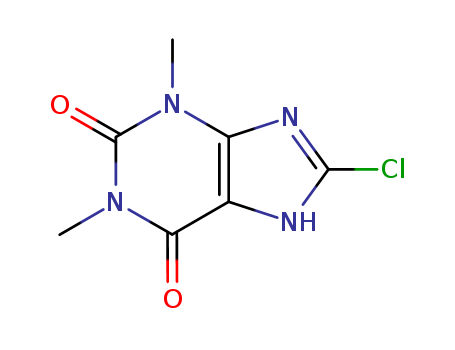
8-Chlorotheophylline
(85-18-7)-

- / 99.00%
-

Industrial Grade / 99%
-

-



Request for quotation , get quotes from more suppliers.
Tabersonine
(4429-63-4)-

Pharmaceutical Grade / 99%
-

Pharmaceutical Grade / 98%
-

Analytical Reagent / 99%
-



Request for quotation , get quotes from more suppliers.
(-)-Sophocarpine
(6483-15-4)-

-

USP / EP / BP / JP Grade / 99.9%
-

Industrial Grade / 98%
-

Pharmaceutical Grade / -


Request for quotation , get quotes from more suppliers.
Oxindole
(59-48-3)-

-

- / 99.00%
-

Industrial Grade / 99%
$1/KG EXW
-

industrial Grade / 98%


Request for quotation , get quotes from more suppliers.
Indole-3-carboxylic acid
(771-50-6)-

- / 99.00%
-

- / 99%
$1/KG EXW
-

Industrial Grade / 99%
-

industrial Grade / 98%


Request for quotation , get quotes from more suppliers.
Source Alkaloids Products Supply
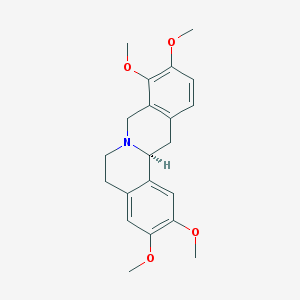
(-)-Tetrahydropalmatine
(483-14-7)-

Industrial Grade / 99%
-

Research Grade / 98%
$60-65/G FOB
-

-

Industrial Grade / 99%


Request for quotation , get quotes from more suppliers.
-

- / 99.00%
-

- / 99%
-

Industrial Grade / 99%
-


Request for quotation , get quotes from more suppliers.
Tropine
(120-29-6)-

- / 99.00%
-

-

-

Pharmaceutical Grade / 99%



Request for quotation , get quotes from more suppliers.
Sanguinarine
(2447-54-3)-

Industrial Grade / 99%
-

Food Grade / 99%
-

Pharmaceutical Grade / 99%
-

Chemical Grade / 99%



Request for quotation , get quotes from more suppliers.
2,2,6,6-Tetramethyl-4-piperidone
(826-36-8)-

-

- / 99.00%
-

-

Pharmaceutical Grade / 99%


Request for quotation , get quotes from more suppliers.
Source Alkaloids Raw Materials by Region


Frequently Asked Questions
Alkaloids are naturally occurring organic compounds that contain basic nitrogen atoms, commonly derived from plants such as poppies, cinchona bark, and tobacco. They are vital in pharmaceuticals due to their potent biological activities—many serve as the active ingredients in medications for pain relief (e.g., morphine), malaria treatment (e.g., quinine), and cancer therapy (e.g., vinblastine). Their structural complexity and pharmacological efficacy make them indispensable in drug discovery and development.
Alkaloids are typically extracted from plant sources using solvent-based methods such as acid-base extraction, which leverages their solubility differences in acidic and alkaline conditions. After initial extraction, purification is achieved through techniques like crystallization, column chromatography, or preparative HPLC to ensure high purity levels required for pharmaceutical applications. Reputable suppliers follow Good Manufacturing Practices (GMP) and validate purity via analytical methods like HPLC, NMR, and mass spectrometry.
Common medicinal alkaloids include morphine and codeine (analgesics from opium poppy), quinine and artemisinin (antimalarials), atropine (used in ophthalmology and as an antidote for nerve agent poisoning), vincristine and vinblastine (anticancer agents from Madagascar periwinkle), and caffeine (a central nervous system stimulant). Each alkaloid has a specific mechanism of action and therapeutic application, underscoring their diverse roles in modern medicine.
When selecting a supplier for high-purity alkaloids, consider: (1) regulatory compliance—ensure they adhere to GMP, ISO, or FDA standards; (2) analytical documentation—certificates of analysis (CoA) with data from HPLC, GC, or NMR should be provided; (3) sourcing transparency—reputable suppliers disclose botanical origin and extraction methods; (4) batch consistency and scalability for research or production needs; and (5) technical support and shipping reliability. Partnering with certified chemical or pharmaceutical ingredient suppliers minimizes quality and legal risks.
Synthetic alkaloids can be equally or even more effective than their natural counterparts, especially when structural modifications enhance bioavailability, reduce toxicity, or improve stability. For example, semi-synthetic opioids like oxycodone are derived from natural thebaine but optimized for clinical use. However, some complex alkaloids (e.g., those with multiple chiral centers) remain challenging to synthesize economically, making natural extraction preferable. The choice between natural and synthetic depends on the intended application, cost, regulatory requirements, and desired pharmacokinetic profile.