




Pharmaceutical Intermediates
- • Analgesics (60)
- • Anesthetics (54)
- • Anti-Addiction Agents (8)
- • Antibacterials (120)
- • Anticonvulsants (20)
- • Antidementia Agents (23)
- • Antidepressants (35)
- • Antiemetics (24)
- • Antifungals (25)
- • Antigout Agents (9)
- • Anti-inflammatory Agents (28)
- • Antimigraine Agents (21)
- • Antineoplastics (430)
- • Antiparasitics (11)
- • Antiparkinson Agents (28)
- • Antipsychotics (54)
- • Antispasticity Agents (12)
- • Antivirals (146)
- • Anxiolytics (16)
- • Blood Glucose Regulators (106)
- • Blood Products (61)
- • Cardiovascular Agents (179)
- • CNS Agents (22)
- • Dental and Oral Agents (8)
- • Dermatological Agents (19)
- • Electrolytes (15)
- • Gastrointestinal Agents (64)
- • Genetic/Enzyme Disorder (12)
- • Genitourinary Agents (47)
- • Immunological Agents (36)
- • Metabolic Bone Disease (6)
- • Ophthalmic Agents (477)
- • Respiratory Tract (51)
- • Skeletal Muscle Relaxants (5)
- • Sleep Disorder Agents (28)
- • Oled Material Intermediate (340)
- • Heterocyclic Compound (9786)
- • Bulk Drug Intermediates (18062)
Related News
-
Since September, the methanol market in China has shown a significant increase
2026-09-19 -
UK Opens Formal Review of AkzoNobel–Axalta $25 Billion Merger
2026-09-19 -
Premium Global Chemical Sourcing Requests (10-13Sep.,2026)
2026-09-14 -
U.S. Formally Imposes Antidumping and Countervailing Duty Orders on Chinese L-Lysine
2026-09-19 -
2026 Mid-Autumn Festival & National Day Holiday Notice
2026-09-22 -
EU Set to Seek Import Quotas on PET, Epoxy Resins and Fibreglass as Trade Curbs Reach Chemicals
2026-09-22


Antispasticity Agents Intermediates
Antispasticity Agents
L-Hydroxyproline
(51-35-4)2. A versatile reagent for the synthesis of neuroexcitatory kainoids and antifungal echinocandins.
-

pharmaceutical grade/food grade / 99%
-

Pharmaceutical Grade / 99%
-

Pharmaceutical Grade / 99%
-

Pharmaceutical Grade / 99%


Request for quotation , get quotes from more suppliers.
4-Chlorobenzaldehyde
(104-88-1)-

Pharmaceutical Grade / 99%
-

Pharmaceutical Grade / 99%
-

Pharma Grade / 99%
$28/KG EXW
-

Pharmaceutical Grade / 99%




Request for quotation , get quotes from more suppliers.
(S)-(+)-4-Phenyl-2-oxazolidinone
(99395-88-7)-
-4-phenyl-2-oxazolidinone 99% high purity certified Professional Producer Greenbo")
Pharmaceutical Grade / 99%
-
-4-phenyl-2-oxazolidinone CAS 99395-88-7")
Pharmaceutical Grade / 99%
-
-(+)-4-Phenyl-2-oxazolidinone 99395-88-7 high purity")
Pharmaceutical Grade / 99%
-
-(+)-4-Phenyl-2-oxazolidinone")
Pharmaceutical Grade / 99%



Request for quotation , get quotes from more suppliers.
Potassium amylxanthate
(2720-73-2)-

pharmaceutical grade / 99%
$1/KG EXW
-

Industrial Grade / pharmaceutical grade / 99%
-

Industrial Grade / 99%
-
")
$1-1.2/KG FOB

Request for quotation , get quotes from more suppliers.
(5S)-5-(Hydroxymethyl)-2-pyrrolidinone
(17342-08-4)-

Pharmaceutical Grade / 99%
-
-(+)-5-Hydroxymethyl-2-pyrrolidinone")
- / 99.00%
-

Industrial Grade / 99%
-

Industrial Grade / 99.0%



Request for quotation , get quotes from more suppliers.
Source Antispasticity Agents Products Supply
-

Industrial Grade / 99%
-

Industrial Grade / 99%
-

-

Industrial Grade / 99%


Request for quotation , get quotes from more suppliers.
-

pharmaceutical grade / 98%
-

Industrial Grade / 99%
-

-
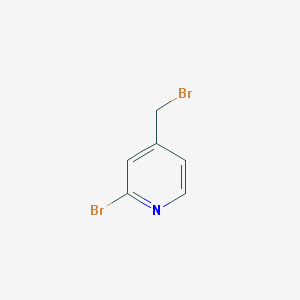
PYRIDINE")

Request for quotation , get quotes from more suppliers.
-

Industrial Grade / 99%
-

-

-



Request for quotation , get quotes from more suppliers.
-

Industrial Grade / 95%
-

Industrial Grade / 99%
-

-


Request for quotation , get quotes from more suppliers.
-

Industrial Grade / 99%
-

-

- / 99%
-


Request for quotation , get quotes from more suppliers.
More Information
Antispasticity agents are widely used to manage muscle spasticity, a condition marked by involuntary muscle stiffness and spasms often associated with multiple sclerosis, spinal cord injury, stroke, or cerebral palsy. These agents work by reducing hyperactive nerve signals and improving muscle relaxation, which enhances mobility and patient comfort.
Key categories include:
• GABA agonists (e.g., Baclofen): Reduce excitatory neurotransmission in the spinal cord.
• Alpha-2 adrenergic agonists (e.g., Tizanidine): Inhibit presynaptic motor neurons to decrease spasticity.
• Benzodiazepines (e.g., Diazepam): Enhance GABA activity to promote muscle relaxation.
• Other agents (e.g., Dantrolene): Act directly on muscle fibers to reduce contraction.
When sourcing antispasticity agents, factors such as purity, stability, pharmacological profile, and compliance with regulatory standards are critical. Raw materials are available in multiple forms—powder, crystalline, or sterile solutions—for formulation into oral tablets, capsules, or injectable preparations.
Frequently Asked Questions
Antispasticity agents are medications used to reduce muscle spasticity—a condition characterized by stiff or rigid muscles and exaggerated reflexes. These drugs work primarily by acting on the central nervous system to decrease excessive muscle tone. Common mechanisms include enhancing inhibitory neurotransmission (e.g., via GABA receptors) or reducing excitatory signals in the spinal cord. They are commonly prescribed for conditions like multiple sclerosis, spinal cord injuries, and cerebral palsy.
The most frequently prescribed antispasticity agents include baclofen, tizanidine, diazepam, and dantrolene. Baclofen acts on GABA-B receptors in the spinal cord, while tizanidine is an alpha-2 adrenergic agonist that reduces nerve signal transmission. Diazepam enhances GABA-A activity, and dantrolene works directly on skeletal muscle by inhibiting calcium release. The choice of agent depends on the underlying condition, patient tolerance, and potential side effects.
Common side effects of antispasticity agents include drowsiness, dizziness, muscle weakness, dry mouth, and fatigue. Baclofen may cause hypotension or confusion, especially in elderly patients, while dantrolene carries a risk of hepatotoxicity with long-term use. Abrupt discontinuation—particularly of baclofen—can lead to serious withdrawal symptoms such as seizures or hallucinations. Patients should always follow medical guidance when starting or stopping these medications.
Physicians select an appropriate antispasticity agent based on several factors: the underlying neurological condition (e.g., stroke vs. multiple sclerosis), severity of spasticity, patient age, comorbidities, potential drug interactions, and individual response to therapy. A trial-and-error approach is often used, starting with low doses and gradually adjusting based on efficacy and tolerability. In some cases, intrathecal baclofen pumps or localized botulinum toxin injections may be considered for refractory spasticity.
Yes, non-pharmacological approaches can complement or sometimes replace antispasticity medications. These include physical therapy, stretching exercises, orthotics, functional electrical stimulation, and occupational therapy. For focal spasticity, botulinum toxin (Botox) injections are a targeted alternative. In severe cases unresponsive to conservative treatment, surgical interventions like selective dorsal rhizotomy may be considered. A multidisciplinary approach often yields the best outcomes in managing chronic spasticity.