




Food Additives
- • Coating Agent (19)
- • Preservative (33)
- • Coloring Agent (40)
- • Gum Base Agent (25)
- • Anticaking Agent (7)
- • Food Antioxidants (41)
- • Enzyme (49)
- • Flour Treatment Agent (4)
- • Leavening Agent (1)
- • Bleach (3)
- • Other Food Additives (92)
- • Emulsifier (25)
- • Food Flavorings (30)
- • Water Retention Agent (1)
- • Acidity Regulators (6)
- • Sweeteners (36)
- • Stabilizer and Coagulants (4)
- • Defoamers (5)
- • Nutrition Supplements (171)
- • Thickener (30)
- • Odorants (29)
- • Colorant (16)
Related News
-
What is the monomer of an enzyme and its benefits?
2022-10-19 -
Who coined the term enzyme, and how does it work?
2022-08-08 -
Get to know about how does guaiacol work
2022-03-09 -
Functional enzyme development: plant-based wave has spawned new enzymes
2020-08-03 -
Scientists Engineer Plastics-Eating Enzyme
2018-04-18 -
Food and Beverages Among Top Demand Drivers for Industrial Enzymes
2018-02-24


Enzyme
Cellulase
(9012-54-8)-

Food grade / 99%
-

Food Grade / 99%
-

food Grade / 99%
-

Food Grade / 99.9%
$5.93/KG EXW

Request for quotation , get quotes from more suppliers.
Subtilisin
(9014-01-1)-

Food Grade / -
-

Food Grade / 99%
-

Pharmaceutical Grade / 99%
-

Industrial Grade / 99%


Request for quotation , get quotes from more suppliers.
Amylase
(9000-92-4)-

Food grade / 99%
-

-

- / 99.00%
-

Pharmaceutical Grade / 99%


Request for quotation , get quotes from more suppliers.
Proteinase
(9001-92-7)-
")
Food grade / -
-

Industrial Grade / 99.0%
-

$540/KG FOB
-

Reagent Grade / 99%
$55-65/KG FOB


Request for quotation , get quotes from more suppliers.
Triacylglycerol lipase
(9001-62-1)-

Food grade / 99%
-

Food Grade / -
-

Food Grade / 99.9%
$19.02/KG EXW
-

Food Grade / 99%



Request for quotation , get quotes from more suppliers.
Source Enzyme Products Supply
alpha-Amylase
(9000-90-2)-

Food Grade / 99%
-

Food Grade / 99%
-

Food grade / 99%
-

Food Grade / 99%


Request for quotation , get quotes from more suppliers.
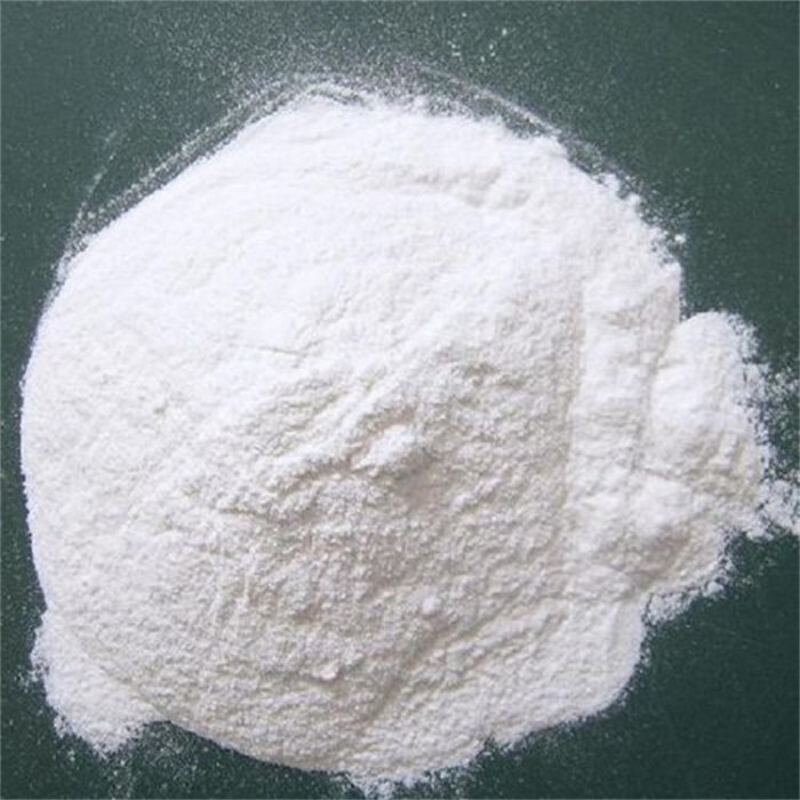
Glucoamylase
(9032-08-0)-

Food Grade / 99%
-

Food grade / 99%
-

Food Grade / 99%
-

Food Grade / 99%

Request for quotation , get quotes from more suppliers.
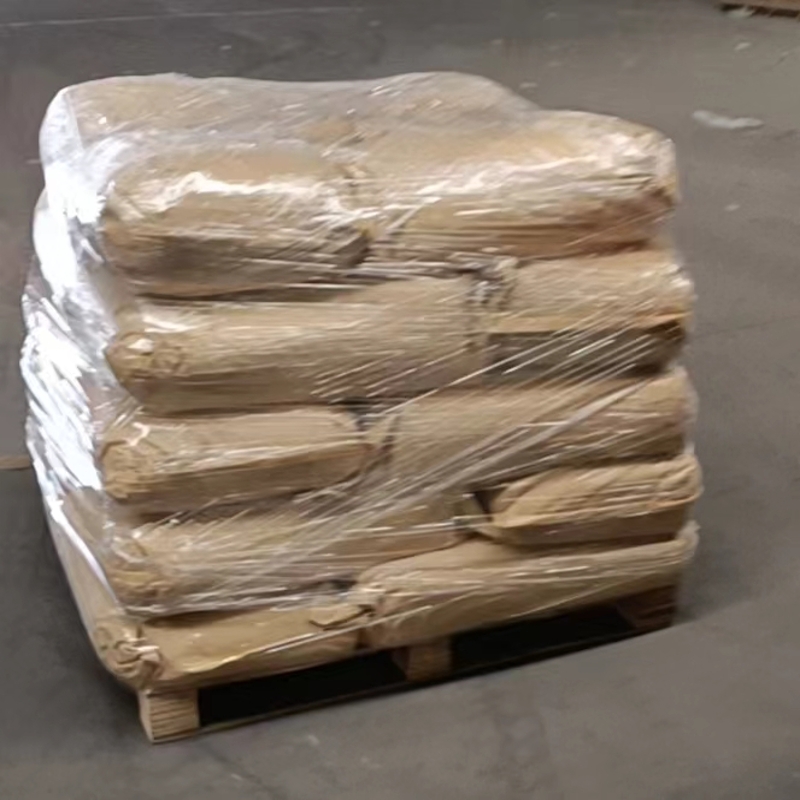
Peroxidase
(9003-99-0)-

Food Grade / 99%
-

Food grade / 99%
-

- / 99.00%
-

Industrial Grade / 98%


Request for quotation , get quotes from more suppliers.
CATALASE
(9001-05-2)-

- / 99.00%
-

Pharmaceutical Grade / 99%
-

-

Pharmaceutical Grade / 99%


Request for quotation , get quotes from more suppliers.
Glucose oxidase
(9001-37-0)-

Food Grade / 99%
-

Food grade / 99%
-

Food Grade / 98%
-

Food Grade / 99%


Request for quotation , get quotes from more suppliers.
More Information
Enzymes help a lot in food breakdown and digestion. These catalysts, such as amylase, lipase, and protease enzymes, are crucial for protein digestion and maintaining cellular functions.
Enzymes affect reactions in living cells by changing the rate at which these reactions occur. For example, digestive enzymes help break down food; yeast enzymes in the bread fermentation process assist the dough in rising.
Causes affecting enzymes:
● Temperature: excessive heat denatures enzymes, while extreme cold slows their function.
● pH: pH levels impact enzymes, affecting their efficiency and effectiveness.
● Food processing methods: Different methods used can either enhance or inhibit enzyme activity, which influences the quality and properties of food products.
Frequently Asked Questions
An enzyme is a biological catalyst—typically a protein—that accelerates chemical reactions in living organisms without being consumed in the process. Enzymes work by lowering the activation energy required for reactions, enabling processes like digestion, metabolism, and DNA replication to occur efficiently at physiological temperatures. Each enzyme is highly specific to its substrate, ensuring precision in biochemical pathways.
Enzymes are widely used across multiple industries due to their efficiency and specificity. Key applications include:1. Food & beverage: amylases in baking, proteases in cheese production, and pectinases in juice clarification.2. Detergents: proteases and lipases break down protein and fat stains.3. Pharmaceuticals: enzymes synthesize chiral drugs or act as therapeutic agents.4. Textiles and biofuels: cellulases improve fabric quality or convert biomass into ethanol.Their biodegradability and low environmental impact make enzymes a sustainable choice for industrial processes.
Selecting a reliable enzyme supplier involves evaluating several critical factors:1. Regulatory compliance: Ensure the supplier meets ISO, GMP, or FDA standards relevant to your industry.2. Product consistency: Look for documented batch-to-batch reproducibility and activity assays.3. Technical support: A reputable supplier offers application guidance, stability data, and formulation advice.4. Scalability: Confirm they can reliably supply bulk quantities without compromising quality.5. Certifications: Verify if they provide non-GMO, food-grade, or organic certifications if needed for your application.
Enzyme performance depends on several environmental and chemical factors:1. Temperature: Most enzymes have an optimal range; excessive heat causes denaturation.2. pH: Each enzyme functions best within a specific pH range (e.g., pepsin in acidic stomach conditions).3. Substrate concentration: Activity increases with substrate up to a saturation point (Vmax).4. Inhibitors or activators: Presence of metal ions, salts, or other molecules can enhance or reduce activity.5. Storage conditions: Lyophilized or liquid enzymes require proper temperature and moisture control to maintain shelf life.
Yes, enzymes used in food and pharmaceutical applications are generally recognized as safe (GRAS) when sourced from approved microorganisms and produced under strict quality controls. Regulatory bodies like the FDA, EFSA, and WHO evaluate enzyme safety based on origin, purity, and intended use. Food-grade enzymes must comply with specifications in the Food Chemicals Codex (FCC), while pharmaceutical enzymes undergo rigorous validation for endotoxin levels, residual solvents, and microbial contamination to ensure patient safety.