




Dyes and Pigments
Related News
-
SunChemical Pigments Obtains ECO PASSPORT by OekoTex® Certification
2024-01-29 -
Invest 10 million! The annual output of 5,000 tons of pigment project will start soon!
2022-12-27 -
FDA plans to expand use of Spirulina extract
2022-11-14 -
Clariant spins off pigment business to Heubach and SK Capital
2022-06-02 -
This new standard will be officially implemented soon!
2021-09-14 -
Senxin developed a new Phalaenopsis blue pigment, which was approved by the FDA for use in food
2021-09-13
Related Products Price


Dyes and Pigments Chemicals
Dyes and Pigments Suppliers
Carbon black
CAS No: 1333-86-4
Categories: Dyes and Pigments > Cosmetic Colorant



C.I. Sulphur Black 1
CAS No: 1326-82-5
Categories: Dyes and Pigments > Dye
-

Directly supplying sulphur black for textie dyeing,1326-82-5
Inquiry -

Sulphur Black 1 99% Black powder zhishang
Inquiry -

1326-82-5
Inquiry -

Sulphur Black 1
Inquiry

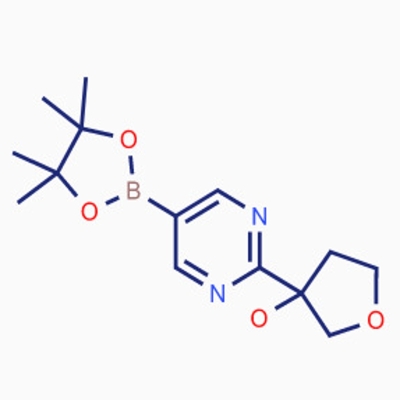

-

Lithopone B301/B311
Inquiry -

Lithopone 99% powder 1345-05-7 Dideu
$1/KG FOB
Inquiry -
")
Lithopone (high qualified)
$5-6/KG FOB
Inquiry -

ISO Factory Pigment Lithopone B301/B311 28-30%/30%
Inquiry



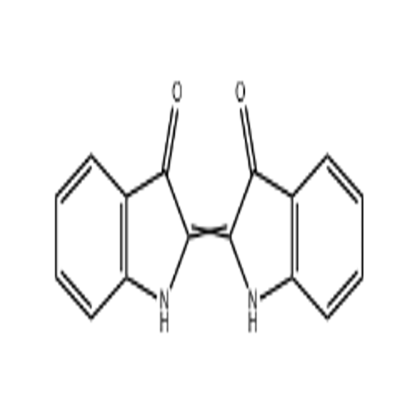
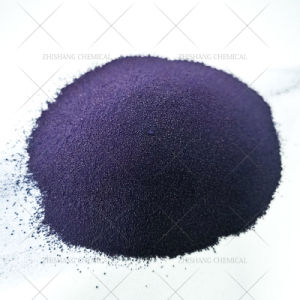
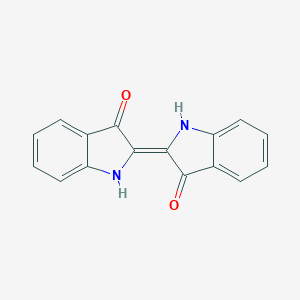
Indigo Blue
CAS No: 482-89-3
Formula: C16H10N2O2
Categories: Dyes and Pigments > Cosmetic Colorant
-

Indigo
Inquiry -

482-89-3
Inquiry -

Indigo CAS 482-89-3
Inquiry -
")
Indigo Powder(CAS No.: 482-89-3)
Inquiry

Direct Red 23
CAS No: 3441-14-3
Formula: C35H27N7O10S2.2Na
Categories: Dyes and Pigments > Hair Dyeing
-

DirectRed23
Inquiry -
")
Direct Red 23 (4BS)
Inquiry -

Direct Red 23
Inquiry -

Direct Red 23
Inquiry


Direct Yellow 12
CAS No: 2870-32-8
Formula: C30H28N4O8S2.2Na
Categories: Dyes and Pigments > Hair Dyeing
-

Direct Dyes Yellow 12 for Paper Dyeing
Inquiry -

Direct Yellow 12 2870-32-8
Inquiry -

Direct Yellow 12
Inquiry -

Direct Yellow12% Industrial Grade
Inquiry



Pigment Yellow 13
CAS No: 5102-83-0
Formula: C36H34Cl2N6O4
Categories: Dyes and Pigments > Cosmetic Colorant
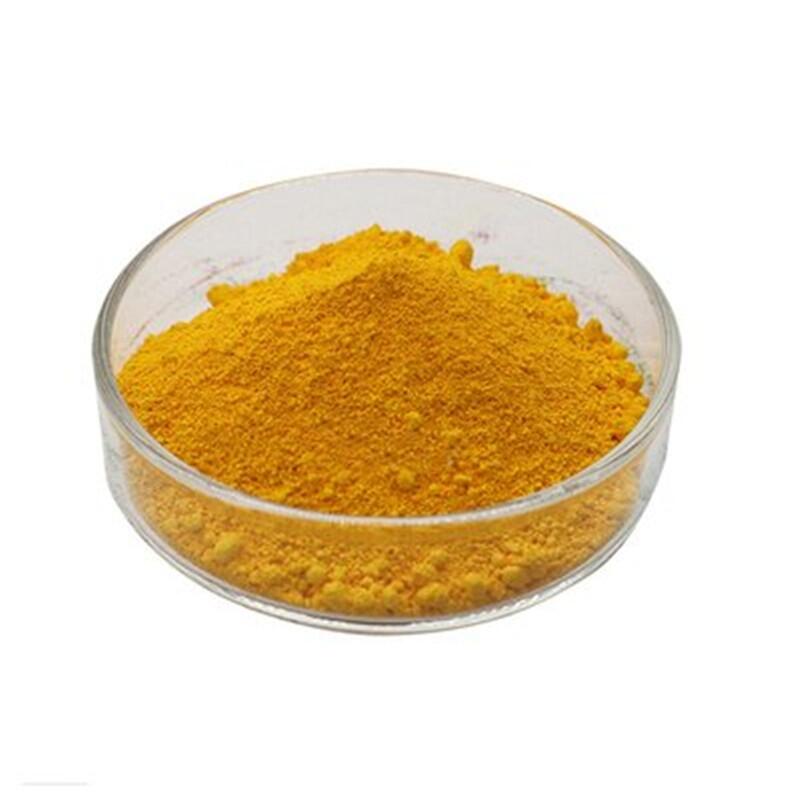


C.I. Basic Yellow 2
CAS No: 2465-27-2
Formula: C17H21N3.ClH
Categories: Dyes and Pigments > Dye
-

Basic Yellow 2
Inquiry -

AURAMINEO 80%
Inquiry -

AURAMINE O
Inquiry -

Auramine 2465-27-2
Inquiry


Light yellow
CAS No: 2512-29-0
Formula: C17H16N4O4
Categories: Dyes and Pigments > Cosmetic Colorant
-

Fast Yellow G 99% Solid Dideu
Inquiry -

FastYellowG 45%
Inquiry -

pigment yellow HAILAN
Inquiry -

Fast Yellow G 99% see COA kanbei
Inquiry


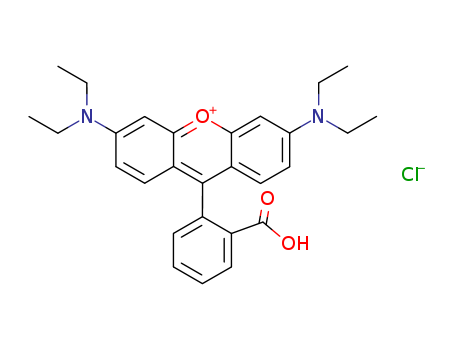
Rhodamine B
CAS No: 81-88-9
Formula: C28H31N2O3.Cl
Categories: Dyes and Pigments > Cosmetic Colorant
-

81-88-9
Inquiry -

Rhodamine B
Inquiry -
")
Rhodamine 6G TLC indicator solution 81-88-9(81-88-9)
Inquiry -

High quality Biological stain Rhodamine B CAS 81-88-9 with good price
Inquiry



275 Dyes and Pigments Suppliers
Short on time? Let Dyes and Pigments sellers contact you.
Pigment Orange 13
CAS No: 3520-72-7
Formula: C32H24Cl2N8O2
Categories: Dyes and Pigments > Pigment
-

Pigment Orange 13
Inquiry -

Pigment Orange 13
Inquiry -

PigmentOrange 13
Inquiry -

Pigment Orange 13
Inquiry


Solvent Violet 13
CAS No: 81-48-1
Formula: C21H15NO3
Categories: Dyes and Pigments > Cosmetic Colorant


Pigment Red 53:1
CAS No: 5160-02-1
Formula: C34H24BaCl2N4O8S2
Categories: Dyes and Pigments > Pigment
-

Pigment red 53:1
Inquiry -

PigmentRed53:1 Industrial Grade
Inquiry -

Factory price Pigment red 53:1 CAS NO.5160-02-1
Inquiry -

Pigment Red 53:1
Inquiry


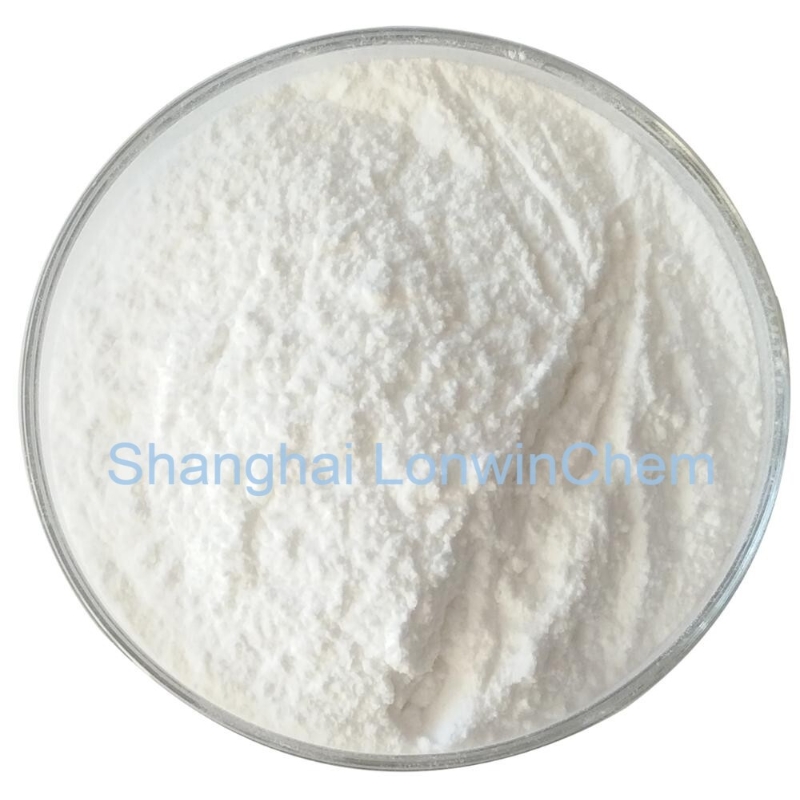
Disperse Red 9
CAS No: 82-38-2
Formula: C15H11NO2
Categories: Dyes and Pigments > Dye
-

Disperse Red 9 99%
Inquiry -

Disperse Red 9 CAS:82-38-2
Inquiry -

Disperse Red 9
Inquiry -

82-38-2 Disperse Red 9
Inquiry

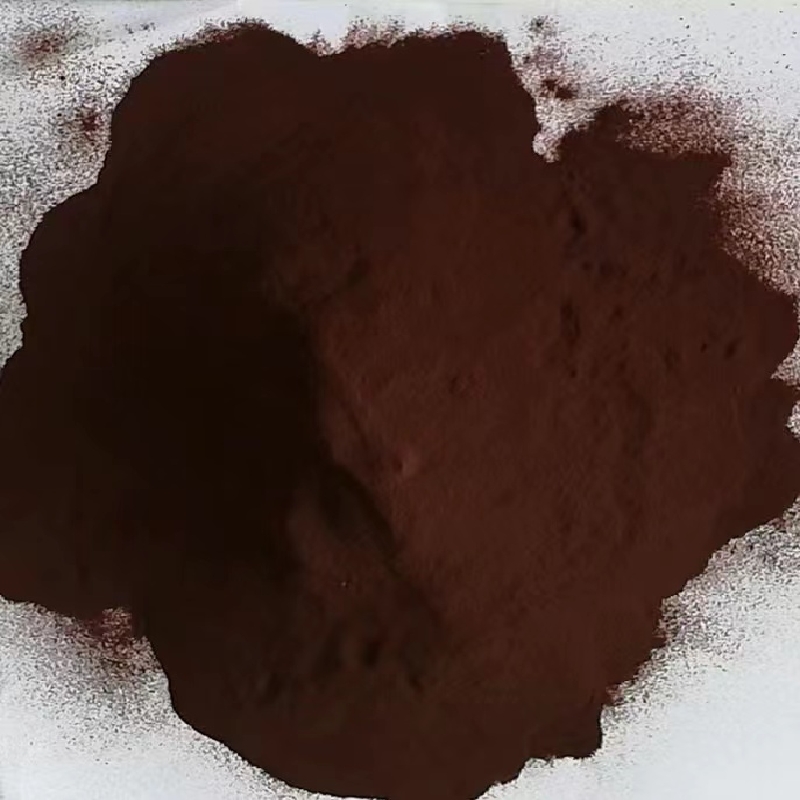


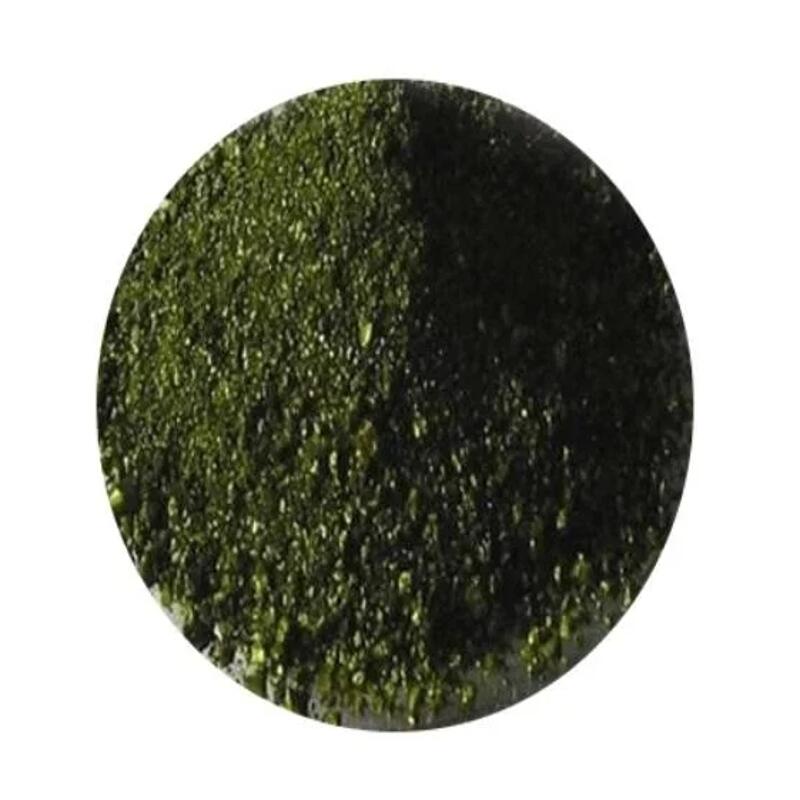
Crystal violet
CAS No: 548-62-9
Formula: C25H30N3.Cl
Categories: Dyes and Pigments > Hair Dyeing


Pigment Yellow 3
CAS No: 6486-23-3
Formula: C16H12Cl2N4O4
Categories: Dyes and Pigments > Cosmetic Colorant
-

Pigment Yellow 3 RC02553
$1/KG EXW
Inquiry -

PigMent Yellow 3 99% see COA kanbei
Inquiry -
")
Pigment Yellow 3 (CAS No. 6486-23-3)
$4-5/KG FOB
Inquiry -

Pigment Yellow 3 Technical Grade
Inquiry


Disperse Violet 28
CAS No: 81-42-5
Formula: C14H8Cl2N2O2
Categories: Dyes and Pigments > Dye
-

DisperseViolet28 90%
Inquiry -

Disperse Violet 28
Inquiry -

Disperse Violet 28
Inquiry -

Disperse Violet 28
Inquiry
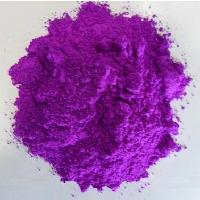

Benzonitrile
CAS No: 100-47-0
Formula: C7H5N
Categories: Dyes and Pigments > Perfuming
-

High Quality 99% Purity of Benzonitrile CAS NO 100-47-0 ISO 9001:2005 REACH Verified Producer
Inquiry -

Benzonitrile 99%
Inquiry -

Benzonitrile
$0.1/KG EXW
Inquiry -

Benzonitrile CASNO.100-47-0
Inquiry


Kaolin
CAS No: 1332-58-7
Formula:
Categories: Dyes and Pigments > Cosmetic Colorant
-

High Quality KAOLIN 99% powder 1332-58-7 Shaanxi Dideu Medichem Co.Ltd
$1/G FOB
Inquiry -

KAOLIN 1332-58-7
Inquiry -

KAOLIN
Inquiry -

Kaolin 5000 5000p CAS 1332-58-7 Clay for Skin Care and Industry
Inquiry


Talc (Mg3H2(SiO3)4)
CAS No: 14807-96-6
Formula: H2O3Si.3/4Mg
Categories: Dyes and Pigments > Opacifying
-

Talc 90% Solid 199-1-z Pharma;Conutrix
Inquiry -

TalcCAS:14807-96-6
Inquiry -

Talc With High Purity
Inquiry -

Talc
Inquiry



New Arrivals
Most Popular
-

Acid Orange 156 cas:72827-75-9
-

-

-

$1500-1800/MT FOB


People are searching
Frequently Asked Questions
Pigments are widely used in paints, coatings, inks, plastics, rubber, and construction materials, where long-term color stability is required. Dyes are more commonly used in textiles, paper, leather, printing, and certain specialty applications where vivid and uniform coloration is desired.
Dyes are colorants that dissolve in a solvent or medium and chemically or physically bond with the material being colored. They are commonly used in industries such as textiles, leather, paper, plastics, and sometimes food and cosmetics. Because dyes are more sensitive to light, heat, and environmental exposure, they are mainly used in applications where color penetration and brightness are more important than long-term durability.
Paint pigments are finely ground organic or inorganic substances that provide color, opacity, and sometimes additional functional properties to paints and coatings. They are dispersed in a binder or resin system to create a uniform colored film on a surface. Organic pigments are carbon-based and typically offer bright, vivid colors, while inorganic pigments are often derived from mineral sources and metal compounds, providing better durability, heat resistance, and lightfastness.
The main difference between pigments and dyes lies in their solubility and how they bind to materials. Dyes are soluble in the medium in which they are applied and penetrate the material at a molecular level. Pigments, on the other hand, are insoluble particles that must be dispersed in a binder to adhere to a surface. In general, dyes produce brighter and more transparent colors, but they tend to fade more easily when exposed to UV light, heat, or washing. Pigments are usually more stable and resistant to light, weather, and chemicals, which makes them more suitable for outdoor and industrial applications.