




Active Pharmaceutical Ingredients
- • Respiratory Drugs (114)
- • Hormones and the Endocrine System (279)
- • Antipyretic Analgesics (173)
- • Antiallergic Drugs (103)
- • Antiparasitic Drugs (130)
- • Antibiotics (545)
- • Antineoplastic Agents (298)
- • Anesthetic Agents (79)
- • Urinary System Drugs (52)
- • Other Chemical Drugs (948)
- • Synthetic Anti-infective Drugs (599)
- • Nervous System Drugs (349)
- • Fluid, Electrolyte, and Acid-base Balance (48)
- • Vitamins and Minerals Medicines (106)
- • Digestive System Drugs (198)
- • Blood System Drugs (85)
- • Circulatory System Drugs (427)
- • Diagnostic Agents (58)
- • Specialty Drugs (107)
- • Drug Metabolism (26)
- • Feed Additive (22)
- • Anti-stress Drugs (1)
- • Drugs Influencing Immune Function (14)
- • Veterinary Raw Materials (25)
- • Inhibitor Drugs (87)
Related News
-
CPHI & PMEC India 2026
2026-09-11 -
At the API China 2024 Spectacle: A Grand Recap!
2024-10-18 -
The 89th API China & The 27th CHINA-PHARM Exhibition Opened
2024-06-05 -
Overview of China's API industry in 2023
2023-02-01 -
Global Analysis of Active Pharmaceutical Ingredient (API)
2023-01-28 -
Professional and technical dry goods: a brief discussion on the selection of starting materials for chemical synthesis APIs
2022-11-18


Urinary System Drugs Featured Products
Urinary System Drugs
Sorbitol
(50-70-4)-

Pharmaceutical Grade / 99%
-

Pharmaceutical Grade / 99%
-

Pharmaceutical Grade / 99.9%
-

Pharmaceutical Grade / 99%


N-(N-(N-Glycylglycyl)glycyl)-8-L-lysinevasopressin
(14636-12-5)-

Pharmaceutical Grade / 99%
$0.8-1/G FOB
-

Pharmaceutical Grade / 99%
-

Pharmaceutical Grade / 99%
-

Pharmaceutical Grade / 99%
$70-85/G FOB


Request for quotation , get quotes from more suppliers.
Argipressine
(113-79-1)-
 -Vasopressin/ Argipressin Acetate/ Argipressin")
Pharmaceutical Grade / 99%
$130-150/G FOB
-

Pharmaceutical Grade / 99%
-

Pharmaceutical Grade / 99%
$70-80/KG FOB
-

Pharmaceutical Grade / 99%
$1/G FOB


Request for quotation , get quotes from more suppliers.
Tolterodine
(124937-51-5)-

-

Industrial Grade / 99.0%
-

-


Request for quotation , get quotes from more suppliers.
Desmopressin acetate
(16789-98-3)-

Pharmaceutical Grade / 99%
-

Pharmaceutical Grade / 99%
-
")
pharmaceutical grade / 99%
$1/KG EXW
-

Pharmaceutical Grade / 99%


Request for quotation , get quotes from more suppliers.
Source Urinary System Drugs Products Supply
Theobromine
(83-67-0)-

Pharmaceutical Grade / 99%
-

Pharmaceutical Grade / 99%
-

Pharmaceutical Grade / 99%
-

Pharmaceutical Grade / 0%


Request for quotation , get quotes from more suppliers.
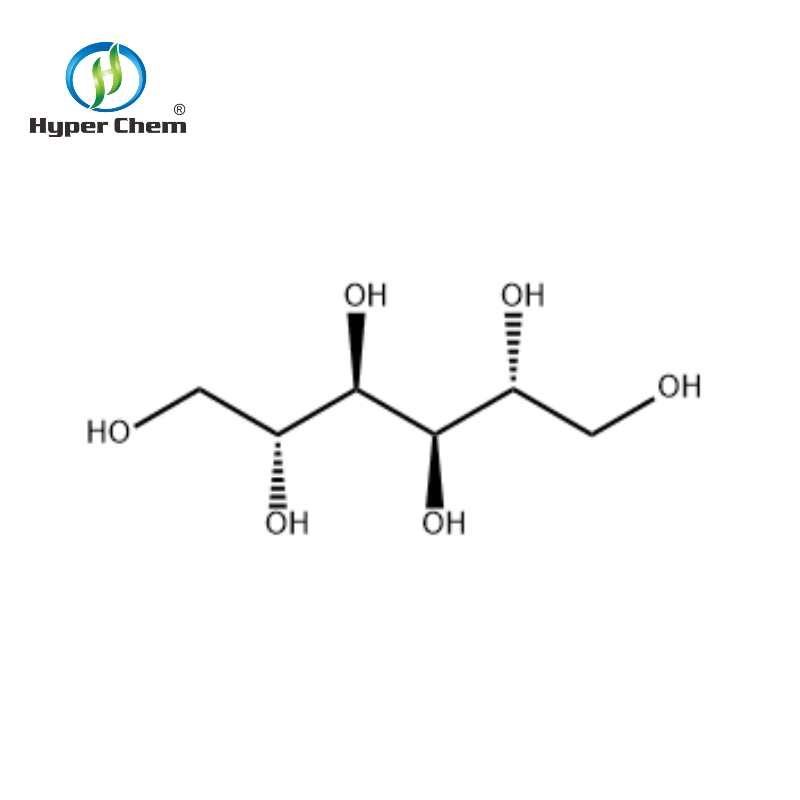
Mannitol
(69-65-8)-

Pharmaceutical grade / 99%
-

Pharmaceutical Grade / 99%
-

Pharmacy Grade / 99%
-

Pharmaceutical Grade / 99%


Request for quotation , get quotes from more suppliers.
Finasteride
(98319-26-7)-

Pharmaceutical Grade / 99%
-

Pharmaceutical Grade / 99%
-

Pharmaceutical Grade / 99%
-

Pharmaceutical Grade / 99%


Request for quotation , get quotes from more suppliers.
Isosorbide
(652-67-5)-

Pharmaceutical Grade / 99%
-

Pharmaceutical Grade / 99%
-

pharmaceutical grade / 99%
-

Industrial Grade ,Pharma Grade / 99%


-

Pharmaceutical Grade / 99%
-

Pharmaceutical Grade / 99%
-

Pharmaceutical Grade / 99%
$50/MT EXW
-

Pharmaceutical Grade / 99%

Request for quotation , get quotes from more suppliers.
Source Urinary System Drugs Raw Materials by Region


Frequently Asked Questions
Urinary System Drugs are medications designed to treat conditions affecting the urinary tract, including the kidneys, bladder, ureters, and urethra. Common uses include managing urinary tract infections (UTIs), overactive bladder, benign prostatic hyperplasia (BPH), kidney stones, and incontinence. These drugs may work by relaxing smooth muscles, reducing inflammation, fighting infection, or modulating urine production and flow.
The most common types of Urinary System Drugs include:1. Antibiotics (e.g., nitrofurantoin, ciprofloxacin) for treating bacterial UTIs.2. Anticholinergics (e.g., oxybutynin, tolterodine) to manage overactive bladder symptoms.3. Alpha-blockers (e.g., tamsulosin, alfuzosin) for relieving urinary symptoms caused by BPH.4. Diuretics (e.g., furosemide, hydrochlorothiazide) that help eliminate excess fluid and treat hypertension or edema.5. Urinary alkalinizers and stone-dissolving agents for kidney stone management.Each class targets specific urinary disorders based on underlying pathophysiology.
When selecting a supplier for Urinary System Drugs, consider the following criteria:1. Regulatory compliance—ensure the supplier holds valid GMP, FDA, EMA, or other relevant certifications.2. Quality assurance—verify their quality control processes, including raw material sourcing, batch testing, and stability data.3. Product portfolio—look for a broad range of approved APIs and finished formulations for urinary indications.4. Supply chain reliability—assess their manufacturing capacity, lead times, and logistics capabilities.5. Technical and regulatory support—reputable suppliers offer documentation such as DMFs, COAs, and pharmacopeial compliance records.
Yes, Urinary System Drugs can cause side effects depending on the drug class and individual patient factors. For example:- Antibiotics may lead to gastrointestinal upset or allergic reactions.- Anticholinergics can cause dry mouth, constipation, blurred vision, or cognitive effects in elderly patients.- Alpha-blockers might result in dizziness, orthostatic hypotension, or retrograde ejaculation.- Diuretics can cause electrolyte imbalances, dehydration, or increased urination.Patients should always use these medications under medical supervision and report any adverse effects promptly.
Active pharmaceutical ingredients (APIs) and excipients used in Urinary System Drugs must comply with stringent international quality standards, including:• Pharmacopeial monographs (USP, EP, JP)• Good Manufacturing Practice (GMP) guidelines• ICH Q7 for API manufacturing• Regulatory filings such as Drug Master Files (DMFs)Manufacturers must also conduct rigorous testing for identity, purity, potency, and stability to ensure safety and efficacy in clinical use. Compliance with these standards is essential for market approval and patient safety.