




Organic Chemistry
- • Amides (2638)
- • Alcohols, Phenols, Phenol Alcohols (341)
- • Nitrogen Compounds (273)
- • Nitrile Compound (97)
- • Hydrazine or Hydroxylamine Derivatives (213)
- • Quinones (38)
- • Ethers and Derivatives (191)
- • Aldehydes (126)
- • Carboxylic Acids and Derivatives (860)
- • Hydrocarbons and Derivatives (2332)
- • Ketones (95)
- • Inorganic Acid Esters (173)
- • Heterocyclic Ring (426)
- • Organometallic Compounds (989)
- • Organosulfur Compounds (90)
- • Phosphines (736)
- • Organometalate (290)
- • Organic Fluorine Compound (2157)
- • Triazenes (18)
- • Semicarbazides (34)
- • Organoselenium Compounds (28)
- • Nitro Compounds (96)
- • Nitrates (15)
- • Lactones (240)
- • Imines (24)
- • Free Radicals (48)
- • Dioxins and Dioxin-like Compounds (31)
- • Cyanates (32)
- • Coordination Complexes (3065)
- • Boron Compounds (121)
- • Azides (67)
- • Arsenicals (56)
Related News
-
Since September, the methanol market in China has shown a significant increase
2026-09-19 -
Premium Global Chemical Sourcing Requests (10-13Sep.,2026)
2026-09-14 -
UK Opens Formal Review of AkzoNobel–Axalta $25 Billion Merger
2026-09-19 -
U.S. Formally Imposes Antidumping and Countervailing Duty Orders on Chinese L-Lysine
2026-09-19 -
Premium Global Chemical Sourcing Requests (14-16Sep.,2026)
2026-09-17 -
2026 Mid-Autumn Festival & National Day Holiday Notice
2026-09-22


Cyanates

Cyanates
Cyanates
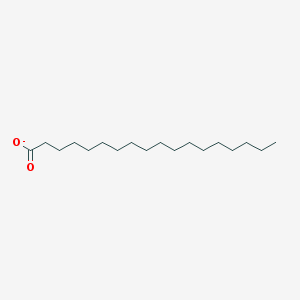
STEARATE
(646-29-7)-

Industrial Grade / 99%
-

-

-


Request for quotation , get quotes from more suppliers.

Request for quotation , get quotes from more suppliers.
-

Industrial Grade / 99%
-

-

-


Ammonium thiocyanate
(1762-95-4)-

Chemical Grade / 99%
$16/KG FOB
-

-

- / 99.00%
-

Reagent Grade / 99%
$5-6/KG FOB


Request for quotation , get quotes from more suppliers.
-

Industrial Grade / 99%
-

Chemical Grade / 99%
$1/KG FOB
-

Industrial Grade / 99%
-

Industrial Grade / 99.9%


Request for quotation , get quotes from more suppliers.
Source Cyanates Products Supply
-

Pharmaceutical Grade / 99%
-

- / 99.00%
-

Pharmaceutical Grade / 99%
-

industrial Grade / 98%



Request for quotation , get quotes from more suppliers.
GLYCEROL PROPOXYLATE-B-ETHOXYLATE
(9082-00-2)is a liquid surfactant polymer. Hard and soft surface cleaners, defoamers in coatings and water treatment. Lubricant in metal working, anti-foaming aid and extender for linear and cross-linked polyesters and polyurethanes. pyrethroid-based pesticide for use in mosquito control
-

Industrial Grade / 99%
-

Industrial Grade / 99%
-

- / 99.00%
-

Industrial Grade / 98%


Potassium cyanate
(590-28-3)-

Chemical Grade / 99%
$1/KG FOB
-

- / 0.00%
-

-

Food grade / 99%


Request for quotation , get quotes from more suppliers.
4-Fluoro-2-methyl-1-nitrobenzene
(446-33-3)-

- / 99.00%
-

Industrial Grade / 99%
$1/KG EXW
-

Industrial Grade / 90%
-

Industrial Grade / 99%


Request for quotation , get quotes from more suppliers.
Thiocyanic acid
(463-56-9)-
 At Cheap Price")
Industrial Grade / 99%
-

Industrial Grade / 99%
-

-


Request for quotation , get quotes from more suppliers.
Source Cyanates Raw Materials by Region


Frequently Asked Questions
Cyanates are organic or inorganic compounds containing the -OCN functional group. They are widely used as key reagents in chemical synthesis, particularly in the production of urethanes, isocyanurates, and carbamates. Cyanates also serve as intermediates in the manufacture of pharmaceuticals, agrochemicals, and specialty polymers due to their high reactivity and versatility.
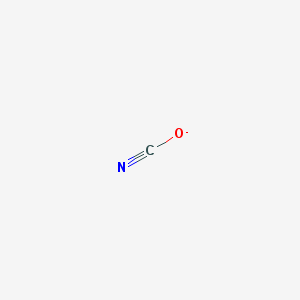
While all three contain the cyanide group, they differ in structure and reactivity:- Cyanate (OCN⁻) has oxygen bonded to carbon.- Isocyanate (NCO⁻) has nitrogen bonded to carbon and is highly reactive, commonly used in polyurethane production.- Thiocyanate (SCN⁻) features sulfur instead of oxygen and is often used in analytical chemistry and coordination compounds.Understanding these distinctions is crucial for safe handling and appropriate application in industrial processes.
Cyanates should be stored in a cool, dry, well-ventilated area away from moisture, heat sources, and incompatible materials such as strong acids or reducing agents. Proper personal protective equipment (PPE)—including gloves, goggles, and lab coats—must be worn during handling. Safety data sheets (SDS) should always be consulted to follow recommended protocols for storage, handling, and emergency response.
Metal cyanates such as potassium cyanate (KOCN) are commonly used in organic synthesis, including the preparation of urea derivatives and heterocyclic compounds. They also find use in electroplating baths, textile dyeing, and as catalysts or reagents in pharmaceutical manufacturing. Their role as a source of the cyanate ion makes them valuable in controlled chemical transformations.
To ensure high-quality cyanate compounds, request a Certificate of Analysis (CoA) that includes purity percentage, impurity profile, and relevant test methods (e.g., HPLC, GC, or titration). Reputable suppliers should comply with ISO or GMP standards and provide batch-specific documentation. Additionally, consider third-party testing if the application demands stringent quality control, especially for pharmaceutical or research use.