




Pharmaceutical Intermediates
- • Analgesics (59)
- • Anesthetics (53)
- • Anti-Addiction Agents (8)
- • Antibacterials (119)
- • Anticonvulsants (20)
- • Antidementia Agents (23)
- • Antidepressants (35)
- • Antiemetics (24)
- • Antifungals (25)
- • Antigout Agents (9)
- • Anti-inflammatory Agents (28)
- • Antimigraine Agents (21)
- • Antineoplastics (430)
- • Antiparasitics (11)
- • Antiparkinson Agents (28)
- • Antipsychotics (54)
- • Antispasticity Agents (12)
- • Antivirals (146)
- • Anxiolytics (16)
- • Blood Glucose Regulators (106)
- • Blood Products (61)
- • Cardiovascular Agents (179)
- • CNS Agents (22)
- • Dental and Oral Agents (8)
- • Dermatological Agents (19)
- • Electrolytes (15)
- • Gastrointestinal Agents (63)
- • Genetic/Enzyme Disorder (12)
- • Genitourinary Agents (47)
- • Immunological Agents (36)
- • Metabolic Bone Disease (6)
- • Ophthalmic Agents (477)
- • Respiratory Tract (51)
- • Skeletal Muscle Relaxants (5)
- • Sleep Disorder Agents (28)
- • Oled Material Intermediate (340)
- • Heterocyclic Compound (9780)
- • Bulk Drug Intermediates (18032)
Related News
-
Premium Global Chemical Sourcing Requests (3-6Sep.,2026)
2026-09-07 -
U.S. Formally Publishes India PFA Trade Cases, Raising New Barriers for Fluoropolymer Supply
2026-09-02 -
Premium Global Chemical Sourcing Requests (27-30Aug, 2026)
2026-08-31 -
Supply Tightening Drives Up Phthalic Anhydride Prices, Further Increases May Face Obstacles in China
2026-09-05 -
Rising Raw Material Costs Drive Slight Increase in August Polyester Filament Market Prices
2026-09-01 -
Acetic Acid Market Prices Show Strong Upward Trend
2026-09-01


Anticonvulsants
L-Leucine
(61-90-5)-

pharmaceutical grade/food grade / 99%
-

Pharmaceutical Grade / 99%
-

Pharmaceutical Grade / 99%
-

Pharmaceutical Grade / 99%

Request for quotation , get quotes from more suppliers.
N-Hydroxysuccinimide
(6066-82-6)-

Pharmaceutical Grade / 99%
-
 CAS 6066-82-6")
Pharmaceutical Grade / 99%
-

Pharma Grade / 99%
$28/KG EXW
-

Pharmaceutical Grade / 99%



Request for quotation , get quotes from more suppliers.
N-(tert-Butoxycarbonyl)glycine
(4530-20-5)-

Pharmaceutical Grade / 99%
-

Pharmaceutical Grade / 99%
-

pharmaceutical grade / 98%
-

Pharmaceutical Grade / 99%


Request for quotation , get quotes from more suppliers.
(S)-2-Aminobutyramide hydrochloride
(7682-20-4)-

Pharmaceutical Grade / 99%
-
-2-Aminobutyramide hydrochloride 99.0% White to off-white solid")
Pharmaceutical Grade / 99.0%
-

Pharmaceutical Grade / 5%
-

pharmaceutical grade / 98%


Request for quotation , get quotes from more suppliers.
Oxcarbazepine
(28721-07-5)-

Pharmaceutical Grade / 99%
-

Pharmaceutical Grade / 99%
-

Pharmaceutical Grade / 99%
-

Pharmaceutical Grade / 99.00%


Request for quotation , get quotes from more suppliers.
Source Anticonvulsants Products Supply
Benzyl (-)-glycidyl ether
(14618-80-5)-
-Benzyl Glycidyl Ether")
Industrial Grade / pharmaceutical grade / 99%
-
-(-)-Benzyl glycidyl ether")
- / 99.00%
-
-(-)-Benzyl glycidyl ether 99% high purity certified Professional producer Greenbo")
Industrial Grade / 99%
-

Industrial Grade / 99%



Request for quotation , get quotes from more suppliers.
-

- / 99.00%
-

Industrial Grade / 99%
-

Industrial Grade / 99%
-


Request for quotation , get quotes from more suppliers.
-

Pharmaceutical Grade / 99%
-
BENZONITRILE")
Industrial Grade / 99%
-
BENZONITRILE")
-
benzonitrile")


Request for quotation , get quotes from more suppliers.
-

Pharmaceutical Grade / 99%
-

Industrial Grade,Pharma Grade / 99%
-

pharmaceutical grade / 99%
$1/KG EXW
-

Industrial Grade / pharmaceutical grade / 99%

Request for quotation , get quotes from more suppliers.
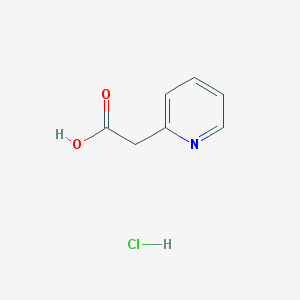
2-Pyridylacetic acid hydrochloride
(16179-97-8)-

Cosmetics Grade / 99%
-

Industrial Grade / 99.0%
-

-



Request for quotation , get quotes from more suppliers.
More Information
Anticonvulsants, also known as anti-seizure or anti-epileptic agents, are substances used to prevent or reduce the frequency and severity of seizures. They are widely applied in the treatment of epilepsy, neuropathic pain, and certain psychiatric disorders, making them essential in modern neurology and pharmaceutical development.
Key mechanisms of action for anticonvulsants include:
• Stabilizing neuronal membranes by blocking sodium or calcium ion channels, reducing abnormal electrical activity in the brain.
• Enhancing the activity of inhibitory neurotransmitters such as GABA, helping to suppress seizure activity.
• Reducing excitatory neurotransmitter release, thereby lowering the risk of overactive neuronal firing.
Factors to consider when selecting anticonvulsant raw materials:
• Spectrum of activity – some agents are effective for generalized seizures, while others target focal or partial seizures.
• Safety and tolerability – side effect profile, drug interactions, and patient compliance are critical.
• Formulation requirements – solubility, stability, and compatibility with excipients in tablets, capsules, or injectable solutions.
• Regulatory compliance – adherence to pharmaceutical safety and manufacturing standards.
Common anticonvulsant raw materials include carbamazepine, valproic acid, lamotrigine, and gabapentin. They are typically supplied in crystalline or powder forms for use in oral solid dosage forms, solutions, or controlled-release formulations. These agents are not only vital in epilepsy management but also increasingly used in treating neuropathic pain and bipolar disorder.
Frequently Asked Questions
Anticonvulsants, also known as antiepileptic drugs (AEDs), are medications used to prevent or reduce the frequency and severity of seizures in conditions like epilepsy. They work by stabilizing electrical activity in the brain, often through mechanisms such as enhancing GABA inhibition, blocking sodium or calcium channels, or modulating glutamate activity. Understanding their mechanism helps clinicians choose the most appropriate therapy for specific seizure types.
Common anticonvulsant medications include older-generation drugs like phenytoin, valproic acid, and carbamazepine, as well as newer agents such as levetiracetam, lamotrigine, and topiramate. Each class has distinct pharmacokinetics, side effect profiles, and indications—ranging from focal and generalized seizures to mood stabilization or neuropathic pain management. Choosing the right type depends on the patient’s diagnosis, age, comorbidities, and potential drug interactions.
Anticonvulsants can cause a range of side effects, including drowsiness, dizziness, nausea, weight changes, and cognitive impairment. Some may lead to serious reactions like Stevens-Johnson syndrome (e.g., with lamotrigine or carbamazepine) or hepatotoxicity (e.g., with valproic acid). Regular monitoring of blood levels, liver function, and skin reactions is essential, especially during treatment initiation or dose adjustments.
Beyond epilepsy, anticonvulsants are commonly prescribed for off-label uses such as bipolar disorder (e.g., valproate, lamotrigine), neuropathic pain (e.g., gabapentin, pregabalin), and migraine prophylaxis (e.g., topiramate). Their ability to modulate neuronal excitability makes them effective in various neurological and psychiatric conditions. However, use should always be guided by clinical evidence and professional medical advice.
Selecting an appropriate anticonvulsant involves evaluating several key factors: the type of seizure or condition being treated, the patient’s age and gender (e.g., teratogenic risks in women of childbearing age), comorbid medical conditions, potential drug interactions, side effect profile, dosing convenience, and cost. Therapeutic drug monitoring may also be necessary for certain anticonvulsants to ensure efficacy and safety.