




Cosmetic Ingredient
- • Abrasive (124)
- • Absorbent (84)
- • Anticaking (66)
- • Anticorrosive (25)
- • Antifoaming (19)
- • Antimicrobials (290)
- • Antioxidant Ingredient (393)
- • Antiperspirant (20)
- • Antiplaque (48)
- • Anti-seborrheic (38)
- • Anti-sebum (38)
- • Antistatic (457)
- • Astringent (162)
- • Binding Agent (171)
- • Bleaching Agent (53)
- • Buffering (189)
- • Bulking (109)
- • Chelating (122)
- • Cleansing (681)
- • Cosmetic Colorant (212)
- • Cosmetic Preservative (158)
- • Denaturant (45)
- • Deodorant (97)
- • Depilatory (27)
- • Dissolving Agent (297)
- • Emollient (795)
- • Emulsifying Agent (481)
- • Emulsion Stabilising (153)
- • Exfoliating (19)
- • Film Forming (299)
- • Flavouring (72)
- • Foam Boosting (161)
- • Foaming (101)
- • Fragrance Ingredient (731)
- • Gel Forming (19)
- • Hair Conditioning (672)
- • Hair Dyeing (363)
- • Hair Fixing (36)
- • Hair Waving or Straightening (45)
- • Humectant (281)
- • Hydrotrope (92)
- • Keratolytic (20)
- • Light Stabilizer (77)
- • Moisturising Agent (50)
- • Nail Conditioning (42)
- • Occlusive (20)
- • Opacifying (119)
- • Oral Care (123)
- • Oxidising (19)
- • Perfuming (2106)
- • Plasticiser (98)
- • Propellant (19)
- • Reducing (51)
- • Refatting (12)
- • Refreshing (27)
- • Skin Cleansing (387)
- • Skin Conditioning (1747)
- • Skin Humectant (21)
- • Skin Protecting (281)
- • Smoothing (32)
- • Soothing (72)
- • Tonics (155)
- • UV Filter (33)
- • Viscosity Controlling (530)
Chemicals as Skincare Ingredients
Related News
-
BASF and Evonik Rumored Potential Acquisition or Merger
2026-09-24 -
Two Contractors Hospitalized After Deflagration at BASF Ludwigshafen Site
2026-09-22 -
Saudi Aramco Considers Selling Arlanxeo
2026-09-18 -
2026 Mid-Autumn Festival & National Day Holiday Notice
2026-09-22 -
Since September, the methanol market in China has shown a significant increase
2026-09-19 -
GLP-1 API Route to U.S. Abruptly Narrows: FDA Heavily Penalizes U.S. Compounding Pharmacy and Bypasses Warning Letter to Ban Chinese Factory
2026-09-29


Flavouring
Flavouring
Benzaldehyde
(100-52-7)-

Industrial Grade / 99%
-

- / 99%
-

Industrial Grade / 99%
-

- / 99.00%


Magnesium chloride
(7786-30-3)-

Cosmetics Grade / 99.9%
-

Industrial Grade / 99%
-

-

- / 99.00%


Aspartame
(22839-47-0)-

Cosmetics Grade / 99%
$20-25/MT FOB
-

Cosmetics Grade / 99%
-

Industrial Grade / 99%
$1/G EXW
-



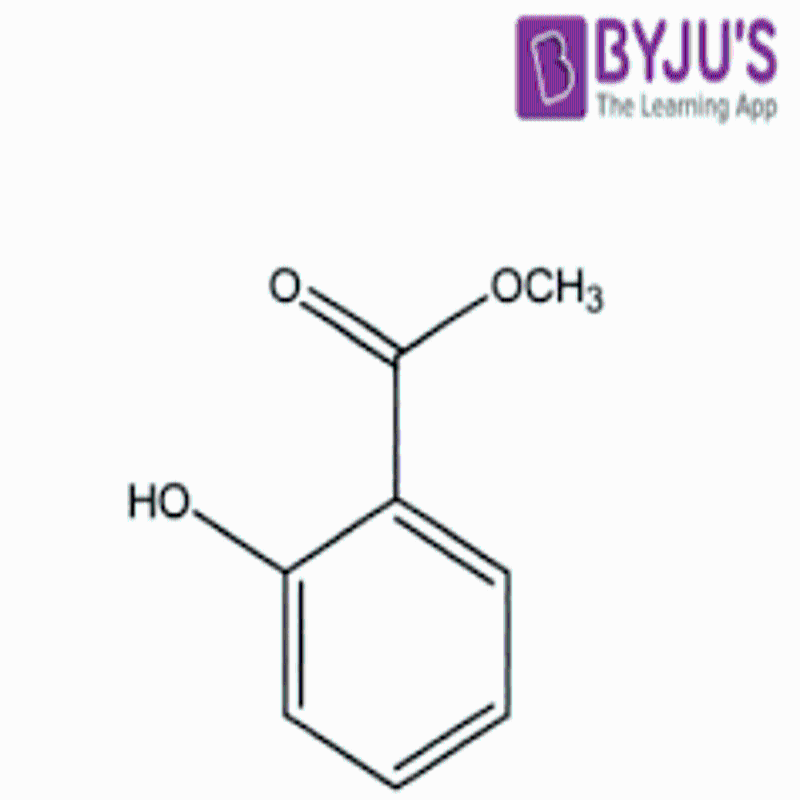
Methyl salicylate
(119-36-8)-

Cosmetics Grade, Pharmacy Grade / 98%
-

Cosmetics Grade / 99%
$50/ EXW
-

-

- / 99.00%


Xylitol
(87-99-0)-

Cosmetics Grade / 98%
-

cosmetic grade / -
$114/KG EXW
-

pharmaceutical grade/food grade / 99%
-

Chemical Grade / 99%
$1/KG FOB


Source Flavouring Products Supply
Cinnamaldehyde
(104-55-2)-

- / 99.9%
-

- / 99.00%
-

- / 99.00%
-
")


Request for quotation , get quotes from more suppliers.
Magnesium chloride (MgCl2) hydrate (1:6)
(7791-18-6)-

Cosmetics Grade / 98%
-

Cosmetics Grade / 99%
-

Industrial Grade / 99%
$1-1.1/KG FOB
-

- / 0.00%


Request for quotation , get quotes from more suppliers.
Ginkgo biloba extract
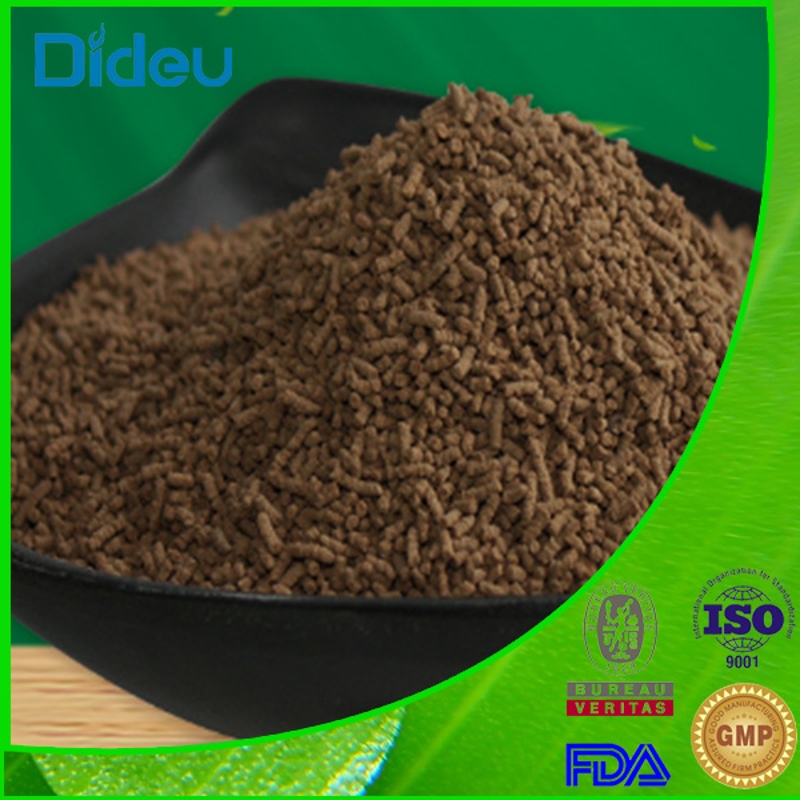
(90045-36-6)Flavonoids in Ginkgo biloba has antioxidant activity, thus can be added as an antioxidant into fats and sweets. Total flavonoids are mostly yellow, and have a wide solubility spectrum including both water-solubility and lipid solubility, so it can play a role of coloring agent. People can process Ginkgo biloba into ultrafine powder and add into food. Grinding ginkgo leaf ultra-finely and adding to cakes, biscuits, noodles, candy, ice cream as 5% to 10% can
-

Medicine /cosmetic Grade / 24%
-

pharmaceutical grade/food grade / 99%
-

Pharmaceutical Grade / 99.0%
-

- / 99.00%


Request for quotation , get quotes from more suppliers.
Olive oil
(8001-25-0)-

Industrial Grade / 99.0%
-

- / 0.00%
-

-

Food Grade / 99%


Request for quotation , get quotes from more suppliers.
Cinnamyl alcohol
(104-54-1)-

Industrial Grade / 99%
-

- / 99.00%
-

-

Pharmaceutical Grade / 99%

Request for quotation , get quotes from more suppliers.
More Information
Fragrance is an essential characteristic of every cosmetic product, with pleasant and alluring scents being particularly effective at capturing the attention of women. However, many cosmetic ingredients lack fragrance or even have unpleasant odors. Only by adding fragrance can the natural scent of ingredients be masked.
Fragrances used in cosmetics are formulated from various types of aromatic substances in specific proportions. Liquid fragrances include essential oils, resinoids, and synthetic compounds such as methyl benzoate and ethyl benzoate, which impart aromatic scents. The typical fragrance concentration in cosmetics is usually around a fraction of a percent, ensuring a pleasant scent without being overpowering.
Common fragrance types include:
•Floral: Flowery scents reminiscent of blossoms such as roses, jasmine, or lilies.
•Fruity: Sweet and tangy aromas resembling various fruits like berries, citrus, or tropical fruits.
•Woody: Earthy and warm scents resembling woods like sandalwood, cedarwood, or patchouli.
•Oriental: Spicy and exotic fragrances with notes of musk, vanilla, or amber.
Frequently Asked Questions
Flavouring agents are substances added to food and beverages to enhance or impart specific tastes and aromas. They can be natural (derived from plants, fruits, or other edible sources) or artificial (chemically synthesized to mimic natural flavours). In food production, flavourings are used to improve palatability, restore lost taste due to processing, or create unique sensory profiles in products like snacks, dairy, confectionery, and beverages.
Natural flavourings are extracted directly from plant or animal materials using physical, enzymatic, or microbiological processes, and must comply with strict regulatory definitions (e.g., by the FDA or EFSA). Artificial flavourings are chemically synthesized compounds designed to replicate natural tastes but are not found in nature in that form. Both types undergo safety evaluations, but natural flavourings often appeal to consumers seeking 'clean-label' products.
When selecting a flavouring supplier, consider: 1. Regulatory compliance—ensure they meet FDA, EU, or local food safety standards.2. Transparency in sourcing and ingredient labeling.3. Technical support capabilities, such as custom flavour development.4. Quality control systems, including certifications like ISO 22000 or FSSC 22000.5. Scalability and consistency in supply. A reputable supplier will provide documentation, samples, and stability testing data to support your product development needs.
Yes, approved flavouring agents are rigorously evaluated for safety by regulatory bodies such as the U.S. FDA, European Food Safety Authority (EFSA), and JECFA (FAO/WHO). Each compound undergoes toxicological assessment before approval, and usage levels are set well below thresholds for adverse effects. Always ensure your flavourings come from certified suppliers and are used within permitted concentrations for your product category.
Flavourings are widely used across multiple sectors: 1. Beverages—enhancing fruit, cola, or herbal notes in soft drinks and juices.2. Dairy—adding vanilla, strawberry, or chocolate profiles to yogurts and ice cream.3. Bakery—providing butter, almond, or citrus notes in cakes and cookies.4. Savory products—delivering meaty, cheesy, or spicy tastes in snacks and ready meals.5. Confectionery—creating consistent and appealing candy or gum flavours. Proper selection ensures consumer satisfaction and brand loyalty.