




Cosmetic Ingredient
- • Abrasive (124)
- • Absorbent (84)
- • Anticaking (66)
- • Anticorrosive (25)
- • Antifoaming (19)
- • Antimicrobials (290)
- • Antioxidant Ingredient (393)
- • Antiperspirant (20)
- • Antiplaque (48)
- • Anti-seborrheic (38)
- • Anti-sebum (38)
- • Antistatic (457)
- • Astringent (162)
- • Binding Agent (171)
- • Bleaching Agent (53)
- • Buffering (189)
- • Bulking (109)
- • Chelating (122)
- • Cleansing (681)
- • Cosmetic Colorant (212)
- • Cosmetic Preservative (158)
- • Denaturant (45)
- • Deodorant (97)
- • Depilatory (27)
- • Dissolving Agent (297)
- • Emollient (795)
- • Emulsifying Agent (481)
- • Emulsion Stabilising (153)
- • Exfoliating (19)
- • Film Forming (299)
- • Flavouring (72)
- • Foam Boosting (161)
- • Foaming (101)
- • Fragrance Ingredient (731)
- • Gel Forming (19)
- • Hair Conditioning (672)
- • Hair Dyeing (363)
- • Hair Fixing (36)
- • Hair Waving or Straightening (45)
- • Humectant (281)
- • Hydrotrope (92)
- • Keratolytic (20)
- • Light Stabilizer (77)
- • Moisturising Agent (50)
- • Nail Conditioning (42)
- • Occlusive (20)
- • Opacifying (119)
- • Oral Care (123)
- • Oxidising (19)
- • Perfuming (2106)
- • Plasticiser (98)
- • Propellant (19)
- • Reducing (51)
- • Refatting (12)
- • Refreshing (27)
- • Skin Cleansing (387)
- • Skin Conditioning (1747)
- • Skin Humectant (21)
- • Skin Protecting (281)
- • Smoothing (32)
- • Soothing (72)
- • Tonics (155)
- • UV Filter (33)
- • Viscosity Controlling (530)
Chemicals as Skincare Ingredients
Related News
-
BASF and Evonik Rumored Potential Acquisition or Merger
2026-09-24 -
Two Contractors Hospitalized After Deflagration at BASF Ludwigshafen Site
2026-09-22 -
Saudi Aramco Considers Selling Arlanxeo
2026-09-18 -
2026 Mid-Autumn Festival & National Day Holiday Notice
2026-09-22 -
Since September, the methanol market in China has shown a significant increase
2026-09-19 -
GLP-1 API Route to U.S. Abruptly Narrows: FDA Heavily Penalizes U.S. Compounding Pharmacy and Bypasses Warning Letter to Ban Chinese Factory
2026-09-29


Antiplaque
Antiplaque
Water
(7732-18-5)-

Cosmetics Grade / 99%
$7/UNIT FOB
-

Cosmetics Grade / 99.9%
$5/MT FOB
-

Pharmaceutical Grade / 99.7%
$6/UNIT FOB
-

Pharmaceutical Grade / 99%


Request for quotation , get quotes from more suppliers.
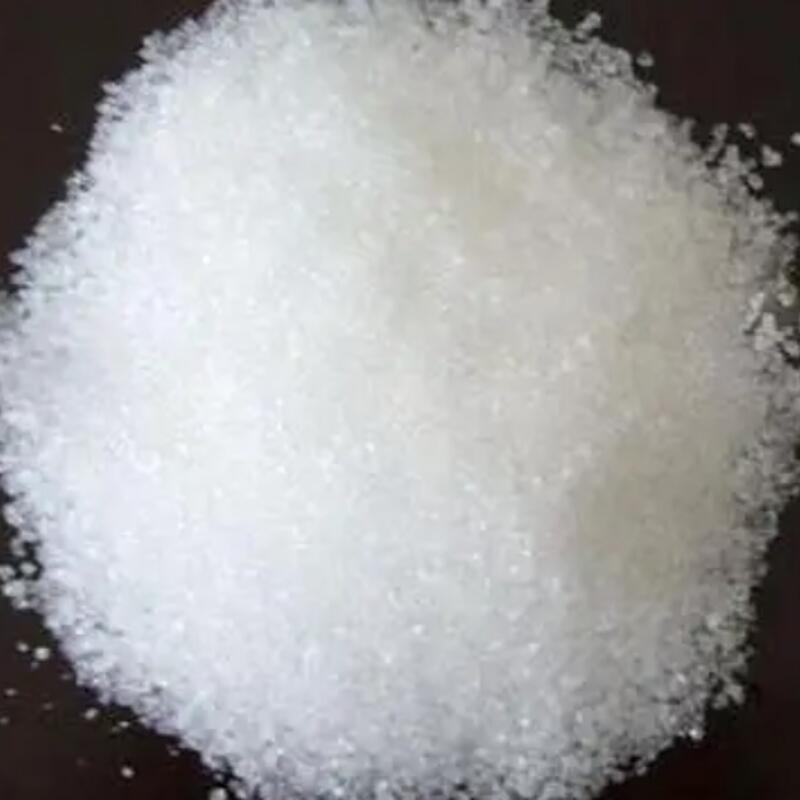
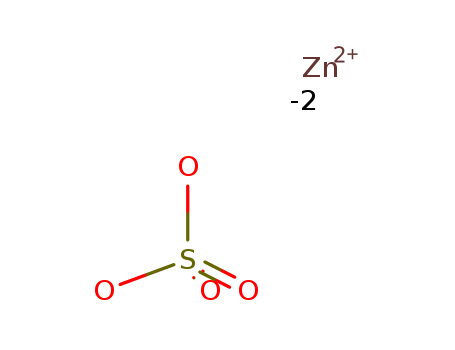
Zinc sulfate
(7733-02-0)-

Cosmetics Grade / 98%
-

Industrial Grade / 99.5%
-

Industrial Grade / 99%
-

- / 99.00%

Zinc sulfate monohydrate
(7446-19-7)-

Chemical Grade / 99%
$1/KG FOB
-

- / 99.00%
-

Food Grade / 99%
-


Request for quotation , get quotes from more suppliers.
Zinc sulfate heptahydrate
(7446-20-0)-

Chemical Grade / 99%
$1/KG FOB
-

Chemically Pure / 99%
-

- / 99.00%
-

Reagent Grade / 99%
$5-6/KG FOB


Request for quotation , get quotes from more suppliers.
Epitalon
(307297-39-8)-

Cosmetics Grade / 99%
-

Cosmetics Grade / 99.9%
-

Cosmetic / 99%
$68/G FOB
-

Cosmetic Grade / 99.0%
$450-480/G FOB


Request for quotation , get quotes from more suppliers.
Source Antiplaque Products Supply
Aluminum fluoride
(7784-18-1)-

Chemical Grade / 99%
$1/KG FOB
-

- / 99.00%
-

- / 99%
-

- / 90%


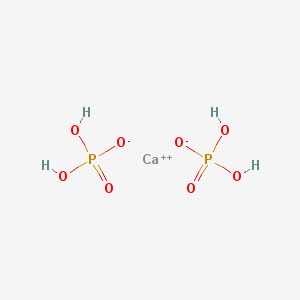
Calcium dihydrogen phosphate
(7758-23-8)-

Chemical Grade / 99%
$1/KG FOB
-

-

- / 0.00%
-

- / 99.00%


Request for quotation , get quotes from more suppliers.
Calcium fluoride
(7789-75-5)-

Chemical Grade / 99%
$1/KG FOB
-

-

-

- / 99.00%


Potassium fluoride
(7789-23-3)2. Used as a complexing agent; fluorination of organic compounds.
-

Chemical Grade / 99%
$1/KG FOB
-

industrial Grade / 98%
-

Chemically Pure / 99%
-

Research Grade / 99%
$43-50/G FOB



Ammonium fluoride
(12125-01-8)-

Chemical Grade / 99%
$1/KG FOB
-

-

Industrial Grade / 99%
-

Chemical Grade / -


Request for quotation , get quotes from more suppliers.
More Information
Dental plaque is a soft, non-mineralized bacterial deposit (bacterial biofilm), akin to a "community" of various bacteria firmly residing on tooth surfaces and in the interdental spaces. It primarily poses harm to teeth and gums, being the leading cause of two common oral diseases—cavities and periodontal disease.
Cavities, colloquially known as "tooth decay" or "cavities," derive their name from the "bugs" found in dental plaque. Firmly adhering to tooth surfaces, plaque bacteria consume sugars from saliva and food debris, producing acids that erode tooth enamel, eventually leading to cavity formation.
Common causes of dental plaque:
•Abnormal tooth positioning or crowding
•Food impaction
•Calculus (tartar)
Frequently Asked Questions
Antiplaque agents are chemical or natural substances used in oral care products to inhibit the formation and accumulation of dental plaque—a sticky biofilm of bacteria on teeth. They work by disrupting bacterial adhesion, reducing microbial growth, or interfering with plaque matrix formation. Common antiplaque ingredients include chlorhexidine, triclosan, essential oils, and zinc compounds. Regular use of products containing these agents helps prevent gingivitis, tooth decay, and other oral health issues.
The most clinically proven antiplaque ingredients include chlorhexidine gluconate (often used in prescription rinses), cetylpyridinium chloride (CPC), triclosan (in combination with copolymer), and essential oils like thymol, eucalyptol, and menthol. Zinc citrate and stannous fluoride also demonstrate strong antiplaque and antibacterial properties. When choosing an antiplaque product, look for formulations backed by clinical studies and approved by dental associations such as the ADA (American Dental Association).
Most over-the-counter antiplaque toothpastes and mouthwashes are safe for daily use when used as directed. However, some potent agents like chlorhexidine should only be used short-term under dental supervision due to potential side effects such as tooth staining or altered taste. Always check product labels for usage instructions and consult a dentist if you have sensitive teeth, gum disease, or are using the product long-term. Products with stannous fluoride or essential oils generally offer effective plaque control with minimal side effects for everyday use.
Regular mouthwashes primarily freshen breath and may offer mild antibacterial effects, while antiplaque mouthwashes are specifically formulated to reduce plaque buildup and gingivitis. Antiplaque rinses contain active ingredients—such as chlorhexidine, CPC, or essential oils—that target oral bacteria responsible for plaque formation. These therapeutic mouthwashes often carry the ADA Seal of Acceptance and are clinically tested to demonstrate measurable reductions in plaque and gum inflammation compared to cosmetic rinses.
Some natural or herbal oral care products—containing ingredients like tea tree oil, neem, green tea extract, or propolis—show promising antiplaque and antimicrobial activity in preliminary studies. However, their efficacy is generally less consistent and less extensively validated than synthetic agents like chlorhexidine or stannous fluoride. For reliable plaque control, especially in individuals with gingivitis or high caries risk, dentists typically recommend evidence-based antiplaque formulations. Natural options may serve as complementary aids but should not replace clinically proven treatments without professional advice.