




Pharmaceutical Intermediates
- • Analgesics (61)
- • Anesthetics (54)
- • Anti-Addiction Agents (8)
- • Antibacterials (120)
- • Anticonvulsants (20)
- • Antidementia Agents (23)
- • Antidepressants (35)
- • Antiemetics (24)
- • Antifungals (25)
- • Antigout Agents (9)
- • Anti-inflammatory Agents (28)
- • Antimigraine Agents (21)
- • Antineoplastics (430)
- • Antiparasitics (11)
- • Antiparkinson Agents (28)
- • Antipsychotics (54)
- • Antispasticity Agents (12)
- • Antivirals (146)
- • Anxiolytics (16)
- • Blood Glucose Regulators (107)
- • Blood Products (61)
- • Cardiovascular Agents (179)
- • CNS Agents (22)
- • Dental and Oral Agents (8)
- • Dermatological Agents (19)
- • Electrolytes (15)
- • Gastrointestinal Agents (64)
- • Genetic/Enzyme Disorder (12)
- • Genitourinary Agents (47)
- • Immunological Agents (36)
- • Metabolic Bone Disease (6)
- • Ophthalmic Agents (477)
- • Respiratory Tract (51)
- • Skeletal Muscle Relaxants (5)
- • Sleep Disorder Agents (28)
- • Oled Material Intermediate (340)
- • Heterocyclic Compound (9795)
- • Bulk Drug Intermediates (18096)
Related News


Antivirals Intermediates
Antivirals
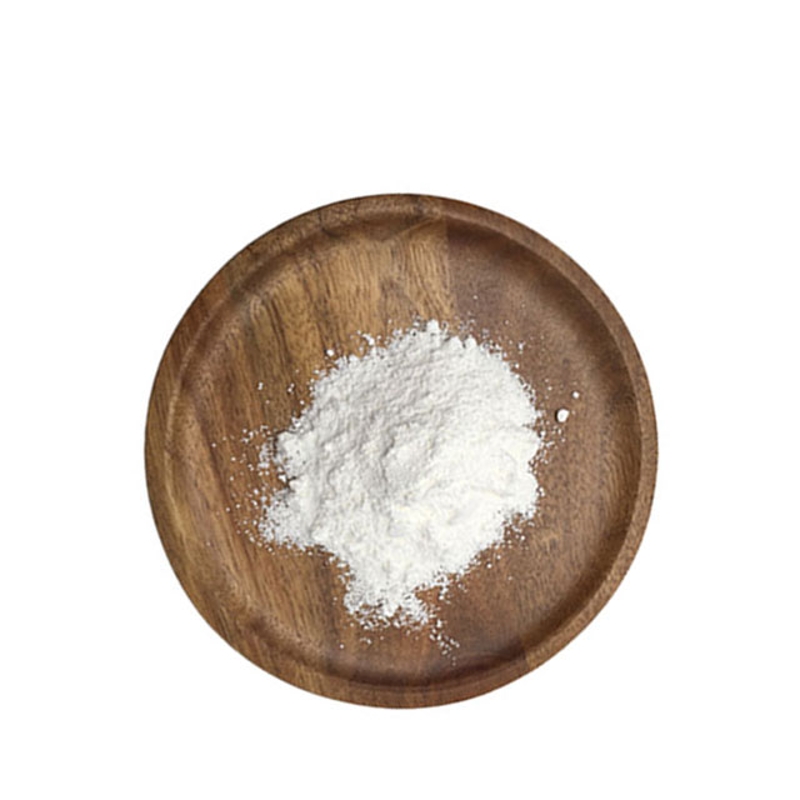
Adenine
(73-24-5)2. Vitamin B4
3. Widespread throughout animal and plant tissues combined with niacinamide, d-ribose, and phosphoric acids; a constituent of nucleic acids and coenzymes, such as codehydrase I and II, adenylic acid, coalaninedehydrase. It is used in microbial determination of niacin; in research on heredity, virus diseases, and cancer.
4. Enteric coating
5. A purine nucleobase and a component of DNA
-

Pharmaceutical Grade / 99%
-

Pharmaceutical Grade / 99%
-

Pharmaceutical Grade / 99%
-

Pharmaceutical Grade / 99%
$9.8-10/KG FOB



Request for quotation , get quotes from more suppliers.
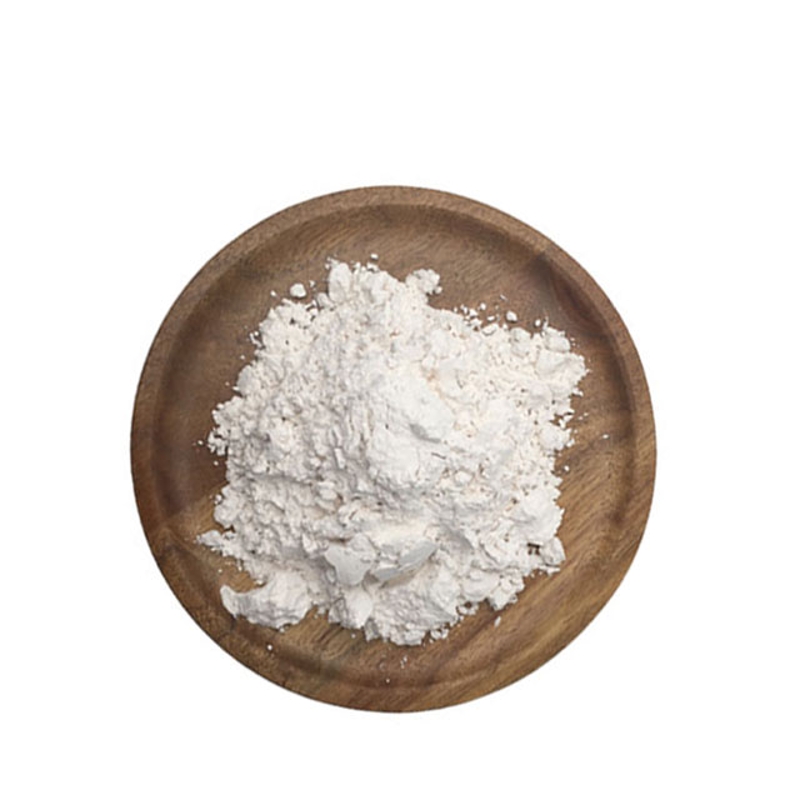
(-)-Menthol
(2216-51-5)-

Pharmaceutical Grade / 99%
-

Pharmaceutical Grade / 99%
-

Pharmaceutical Grade / 99%
-

Pharmaceutical grade / 99%


Request for quotation , get quotes from more suppliers.
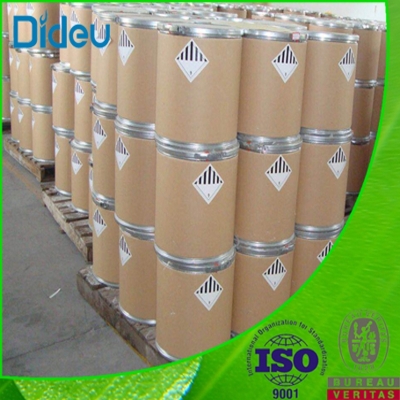
Acyclovir
(59277-89-3)-

Pharmaceutical Grade / 99%
-

Pharmaceutical Grade / 99%
-

Pharmaceutical Grade / 99%
-

Pharmaceutical Grade / 99.9%


Request for quotation , get quotes from more suppliers.
Tenofovir
(147127-20-6)-

Industrial Grade,Pharma Grade / -
-

Pharmaceutical Grade / 99%
-

Pharmaceutical Grade / 99%
-

Pharmaceutical Grade / 99%


Request for quotation , get quotes from more suppliers.
Uracil
(66-22-8)-

Pharmaceutical Grade / 99%
$83-85/KG FOB
-

Pharmaceutical Grade / 99%
-

Pharmaceutical Grade / 99%
-

Pharmaceutical Grade / 99.5%


Request for quotation , get quotes from more suppliers.
Source Antivirals Products Supply
- 3-amino-2-chloro-4-methylpyridine suppliers
- 6,6-Dimethyl-3-oxabicyclo[3.1.0]hexane-2,4-dione suppliers
- 7-(Benzyloxy)-3,4,12,12a-tetrahydro-1H-[1,4]oxazino[3,4-c]pyrido[2,1-f][1,2,4]triazine-6,8-dione suppliers
- Ethyl potassium malonate suppliers
- N-(Benzyloxycarbonyloxy)succinimide suppliers
- FMOC-L-valine suppliers
-

Pharmaceutical Grade / 99%
-

Pharmaceutical Grade / 99%
-

Pharmaceutical Grade / 99%
$1/KG EXW
-

Pharmaceutical Grade / 99%

L-tert-Leucine
(20859-02-3)-

Pharmaceutical Grade / 99%
-

Pharmaceutical Grade / 99%
-

Pharmaceutical Grade / 99%
$29.7-31.68/KG EXW
-

Pharmaceutical Grade / 99%


Request for quotation , get quotes from more suppliers.
-

Pharmaceutical Grade / 99%
-

Pharmaceutical Grade / 99%
-

pharmaceutical grade / 99%
$1/KG EXW
-

Pharmaceutical Grade / 99%
$50/ EXW

Request for quotation , get quotes from more suppliers.
(-)-Phenylglycinol
(56613-80-0)-

Pharmaceutical Grade / 99%
-

Pharmaceutical Grade / 99%
-

Pharmaceutical Grade / 99%
-

Pharmaceutical Grade / 376%
$10/Unit EXW



Request for quotation , get quotes from more suppliers.
-

Pharmaceutical Grade / 98%
-

Pharmaceutical Grade / 99%
-

Pharmaceutical Grade / 99%
-

Industrial Grade,Pharma Grade / 99%

Request for quotation , get quotes from more suppliers.
More Information
Antivirals, crucial in fighting viral infections like COVID-19, are medications designed to combat viruses. Understanding “how do antivirals work” is key—they target viruses at their core, impeding their replication and spread within the body. From shingles to various viral strains, these antiviral medications provide targeted relief.
Natural antivirals also exist, offering alternative remedies to combat viral infections. They are able to inhibit viral activity through natural compounds and elements.
Common Causes for Antiviral:
● COVID-19 and other viral respiratory illnesses
● Herpes zoster (shingles)
● Influenza and common cold viruses
Frequently Asked Questions
Antivirals are medications specifically designed to treat viral infections by inhibiting the development or replication of viruses in the body. Unlike antibiotics, which target bacteria, antivirals interfere with specific stages of the viral life cycle—such as entry into host cells, replication of viral genetic material, or assembly of new virus particles. Common examples include oseltamivir for influenza and remdesivir for certain coronavirus infections. Understanding how antivirals function helps healthcare providers choose the most effective treatment based on the type of virus involved.
Commonly used antiviral drugs include neuraminidase inhibitors (e.g., oseltamivir) for influenza, nucleoside analogs (e.g., acyclovir for herpesviruses and tenofovir for HIV), protease inhibitors (used in HIV and hepatitis C treatment), and polymerase inhibitors like remdesivir. Each class targets a specific mechanism in the virus’s replication process. The selection depends on the virus type, patient health status, and resistance profiles. Accurate diagnosis is essential to ensure appropriate antiviral therapy and avoid unnecessary use.
When selecting a supplier for antiviral APIs, consider the following criteria:1. Regulatory compliance: Ensure the supplier holds certifications such as GMP, FDA approval, or EMA authorization.2. Quality assurance: Verify robust quality control systems, including analytical testing and documentation traceability.3. Manufacturing capacity: Assess their ability to consistently produce high-purity APIs at scale.4. Regulatory history: Review audit reports or inspection records from health authorities.5. Technical support: A reputable supplier should offer regulatory filing assistance and stability data. Choosing a qualified partner minimizes supply chain risks and ensures product efficacy and safety.
Antiviral drug development faces several challenges, including rapid viral mutation leading to drug resistance, narrow therapeutic windows, and complex synthesis pathways for APIs. Manufacturing requires stringent contamination controls and precise process validation to maintain potency and purity. Additionally, regulatory requirements for antivirals are often more rigorous due to their use in public health emergencies. Companies must invest in advanced analytics, continuous process improvement, and regulatory expertise to overcome these hurdles and deliver safe, effective treatments.
Yes, certain antivirals are approved for both treatment and prophylaxis (prevention). For example, oseltamivir can be used to prevent influenza in high-risk individuals during outbreaks, and pre-exposure prophylaxis (PrEP) with tenofovir/emtricitabine is widely used to prevent HIV infection. However, preventive use must be guided by clinical guidelines to avoid overuse, which can contribute to antiviral resistance. Always consult healthcare professionals to determine appropriate indications, dosing, and duration for prophylactic antiviral use.