




Active Pharmaceutical Ingredients
- • Respiratory Drugs (114)
- • Hormones and the Endocrine System (279)
- • Antipyretic Analgesics (173)
- • Antiallergic Drugs (103)
- • Antiparasitic Drugs (130)
- • Antibiotics (545)
- • Antineoplastic Agents (298)
- • Anesthetic Agents (79)
- • Urinary System Drugs (52)
- • Other Chemical Drugs (948)
- • Synthetic Anti-infective Drugs (599)
- • Nervous System Drugs (349)
- • Fluid, Electrolyte, and Acid-base Balance (48)
- • Vitamins and Minerals Medicines (106)
- • Digestive System Drugs (198)
- • Blood System Drugs (85)
- • Circulatory System Drugs (425)
- • Diagnostic Agents (58)
- • Specialty Drugs (107)
- • Drug Metabolism (26)
- • Feed Additive (22)
- • Anti-stress Drugs (1)
- • Drugs Influencing Immune Function (14)
- • Veterinary Raw Materials (25)
- • Inhibitor Drugs (86)
Related News
-
CPHI & PMEC India 2026
2026-09-11 -
At the API China 2024 Spectacle: A Grand Recap!
2024-10-18 -
The 89th API China & The 27th CHINA-PHARM Exhibition Opened
2024-06-05 -
Overview of China's API industry in 2023
2023-02-01 -
Global Analysis of Active Pharmaceutical Ingredient (API)
2023-01-28 -
Professional and technical dry goods: a brief discussion on the selection of starting materials for chemical synthesis APIs
2022-11-18


Inhibitor Drugs Featured Products
Inhibitor Drugs
N-[4-[(3-Chloro-4-fluorophenyl)amino]-7-[[(3S)-tetrahydro-3-furanyl]oxy]-6-quinazolinyl]-4-(dimethylamino)-2-butenamide
(439081-18-2)-

Pharmaceutical Grade / 98%
-

Pharmaceutical Grade / 99%
-

Pharmaceutical Grade / 99.7%
-

Pharma Grade / 99%
$135/KG EXW

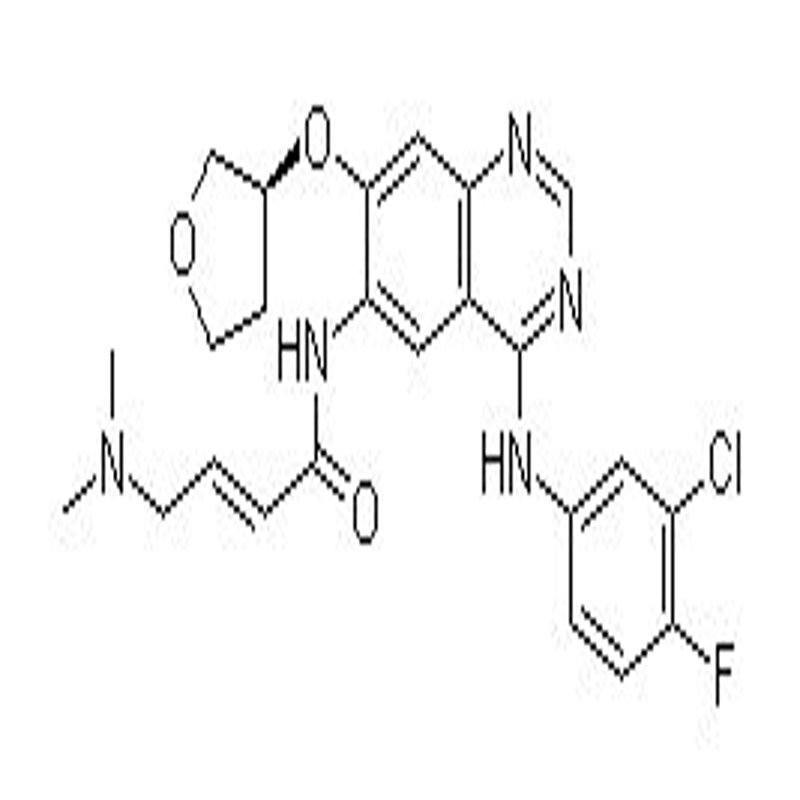

Request for quotation , get quotes from more suppliers.
Sitagliptin phosphate monohydrate
(654671-77-9)-

Pharmaceutical Grade / 99%
$100-130/KG FOB
-

Pharmaceutical Grade / 99%
-

Pharmaceutical Grade / 99%
-

Pharmaceutical Grade / -

Request for quotation , get quotes from more suppliers.
Crizotinib
(877399-52-5)-

Pharmaceutical Grade / 98.5%
-

Pharmaceutical Grade / 99%
-

Pharmaceutical Grade / 99%
$80-85/KG FOB
-

Pharmaceutical Grade / 99%


Request for quotation , get quotes from more suppliers.
PD 0332991 HCl
(827022-32-2)-

Pharmaceutical Grade / 99%
-

Pharmaceutical Grade / 99%
-

Industrial Grade / pharmaceutical grade / 99%
$1/MT EXW
-

Pharmaceutical Grade / 99%
$50/ EXW

Request for quotation , get quotes from more suppliers.
-

Pharmaceutical Grade / 99%
-

Pharmaceutical Grade / 99%
-

Pharmaceutical Grade / 100.7%
-

Pharmaceutical Grade / 99%

Source Inhibitor Drugs Products Supply
Fluconazole
(86386-73-4)2. Anticholinergic
3. For the treatment of fungal infections.
4. A triazole broad-spectrum antifungal agent.
-

Pharmaceutical Grade / 99%
-

Pharmaceutical Grade / 99%
-

Pharmaceutical Grade / 99%
-

Pharmaceutical Grade / 99%


Request for quotation , get quotes from more suppliers.
Levofloxacin
(100986-85-4)-

Pharmaceutical Grade / 99%
-
")
Pharmaceutical Grade / 99%
-

Pharmaceutical Grade / 99.9%
-

Pharmaceutical Grade / 98%


Trimethoprim
(738-70-5)2. An antibacterial agent which selectively inhibits dihydrofolate reductase.
-

pharmaceutical grade / 99%
-

Pharmaceutical Grade / 99%
-
 99.9% white powder Trimethoprim arshine")
Pharmaceutical Grade / 99.9%
-

Pharmaceutical Grade / 99%


Request for quotation , get quotes from more suppliers.
Ofloxacin
(82419-36-1)-

Pharmaceutical Grade / 99%
-

Pharmaceutical Grade / 99%
-

Pharmaceutical Grade / 99%
-

Pharmaceutical Grade / 99%


Request for quotation , get quotes from more suppliers.
-

Pharmaceutical Grade / 99%
$45-55/KG FOB
-

Pharmaceutical Grade / 99%
-

Pharmaceutical Grade / 99%
-

Pharmaceutical Grade / 99%


Request for quotation , get quotes from more suppliers.
Frequently Asked Questions
Inhibitor drugs are pharmaceutical compounds designed to block or reduce the activity of specific enzymes, receptors, or signaling pathways in the body. They work by binding to target molecules—such as kinases, proteases, or hormone receptors—and interfering with their normal biological function. This mechanism is commonly used in treating conditions like cancer, hypertension, viral infections, and autoimmune diseases. Understanding how inhibitor drugs function helps clinicians and researchers select appropriate therapies based on disease pathology.
Common types of enzyme inhibitors used in medicine include ACE inhibitors (for hypertension), COX-2 inhibitors (for inflammation and pain), protease inhibitors (for HIV treatment), and tyrosine kinase inhibitors (for cancer therapy). Each class targets a specific enzyme involved in disease progression. For example, ACE inhibitors reduce blood pressure by blocking angiotensin-converting enzyme, while kinase inhibitors disrupt abnormal cell signaling in tumors. Choosing the right inhibitor depends on the therapeutic goal and patient-specific factors.
Inhibitor drugs undergo a rigorous development process that includes target identification, lead compound screening, preclinical testing (in vitro and in vivo), and phased clinical trials. Safety is evaluated through toxicology studies, pharmacokinetic profiling, and adverse event monitoring during human trials. Regulatory agencies like the FDA require evidence of both efficacy and safety before approval. Manufacturers must also comply with Good Manufacturing Practices (GMP) to ensure consistent quality and purity of the final drug product.
When sourcing inhibitor drugs for research or pharmaceutical production, buyers should evaluate:1. Supplier credibility, including regulatory certifications (e.g., ISO, GMP).2. Purity and analytical documentation (e.g., HPLC, NMR data).3. Batch-to-batch consistency and stability.4. Availability of technical support and regulatory compliance documentation.5. Intellectual property status to avoid legal issues.Selecting a reliable supplier ensures research integrity and smooth scale-up to clinical or commercial use.
Yes, inhibitor-based therapies can cause side effects due to off-target interactions or excessive suppression of biological pathways. For instance, kinase inhibitors may lead to skin rashes, fatigue, or cardiac toxicity, while ACE inhibitors can cause cough or hyperkalemia. The risk profile varies by drug class and individual patient factors. Healthcare providers monitor patients closely and may adjust dosage or switch agents to manage adverse reactions while maintaining therapeutic efficacy.