




Cosmetic Ingredient
- • Abrasive (124)
- • Absorbent (84)
- • Anticaking (66)
- • Anticorrosive (25)
- • Antifoaming (19)
- • Antimicrobials (291)
- • Antioxidant Ingredient (392)
- • Antiperspirant (20)
- • Antiplaque (48)
- • Anti-seborrheic (38)
- • Anti-sebum (38)
- • Antistatic (457)
- • Astringent (162)
- • Binding Agent (171)
- • Bleaching Agent (53)
- • Buffering (190)
- • Bulking (109)
- • Chelating (122)
- • Cleansing (680)
- • Cosmetic Colorant (212)
- • Cosmetic Preservative (158)
- • Denaturant (45)
- • Deodorant (98)
- • Depilatory (27)
- • Dissolving Agent (297)
- • Emollient (795)
- • Emulsifying Agent (481)
- • Emulsion Stabilising (153)
- • Exfoliating (19)
- • Film Forming (299)
- • Flavouring (72)
- • Foam Boosting (161)
- • Foaming (101)
- • Fragrance Ingredient (732)
- • Gel Forming (19)
- • Hair Conditioning (672)
- • Hair Dyeing (363)
- • Hair Fixing (36)
- • Hair Waving or Straightening (45)
- • Humectant (281)
- • Hydrotrope (92)
- • Keratolytic (20)
- • Light Stabilizer (77)
- • Moisturising Agent (50)
- • Nail Conditioning (42)
- • Occlusive (20)
- • Opacifying (119)
- • Oral Care (123)
- • Oxidising (19)
- • Perfuming (2106)
- • Plasticiser (98)
- • Propellant (19)
- • Reducing (51)
- • Refatting (12)
- • Refreshing (27)
- • Skin Cleansing (387)
- • Skin Conditioning (1747)
- • Skin Humectant (21)
- • Skin Protecting (281)
- • Smoothing (32)
- • Soothing (72)
- • Tonics (155)
- • UV Filter (33)
- • Viscosity Controlling (530)
Chemicals as Skincare Ingredients
Related News


Plasticiser
Plasticiser
Polyethylene glycol
(25322-68-3)2. Poly(ethylene Glycol) molecules of approximately 2000 monomers. Poly(ethylene Glycol) is used in various applications from industrial chemistry to biological chemistry. Recent research has shown PEG maintains the ability to aid the spinal cord injury recovery process, helping the nerve impulse conduction process in animals. In rats, it has be
-

Industrial Grade / 98%
-

- / 0.00%
-
")
- / 99.00%
-
 95% White to pale yellow solid LK-YRM")
Industrial Grade / 95%
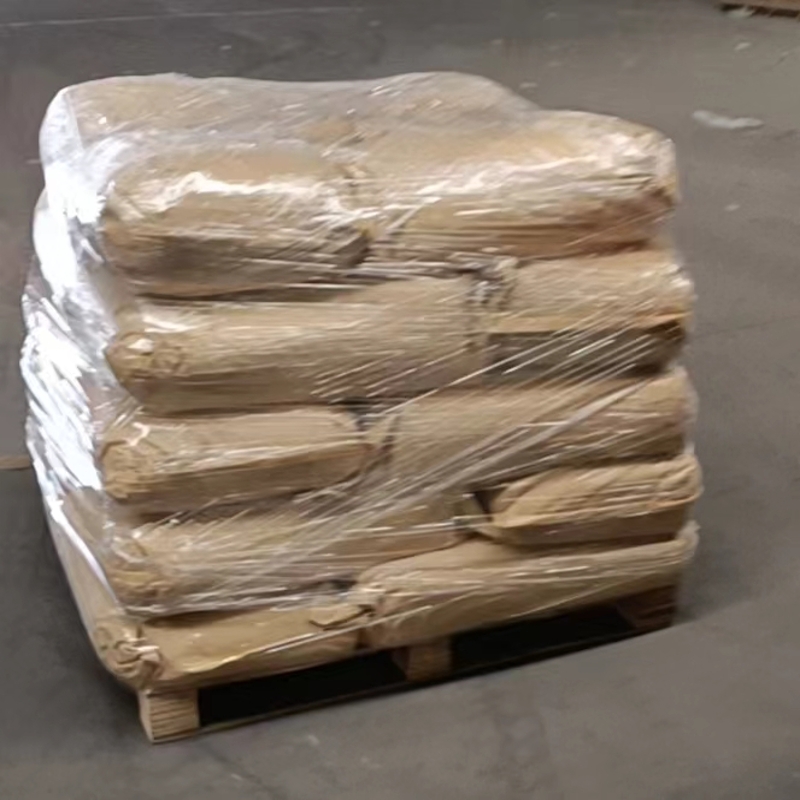


Dioctyl phthalate
(117-81-7)-
 phthalate 99% Liquid Dideu")
Industrial Grade / 99%
-

Industrial Grade / 99%
-

Industrial Grade / 98%
-
 117-81-7")
Industrial Grade / 99%


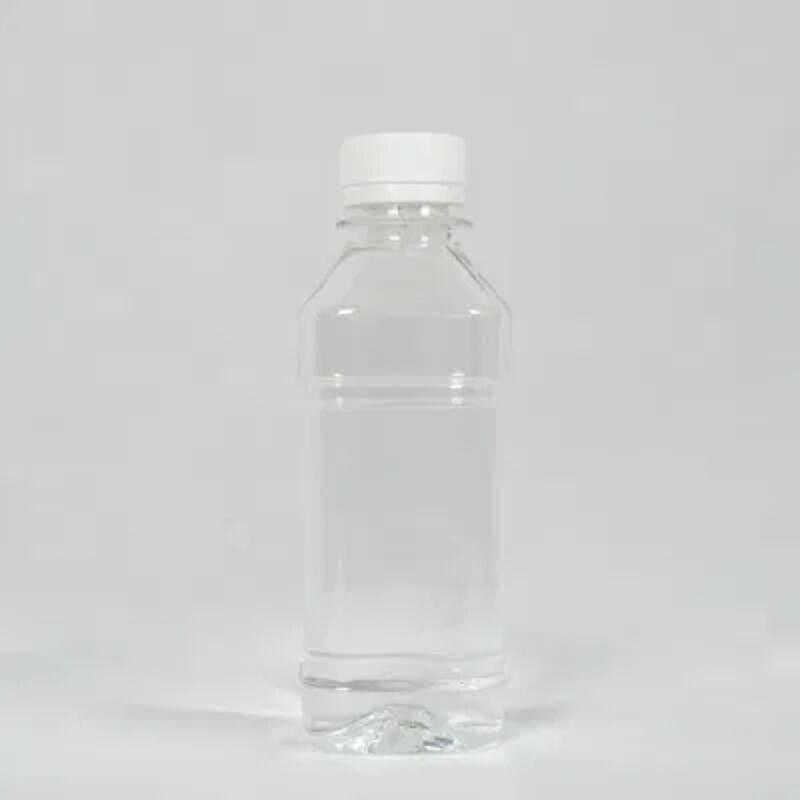
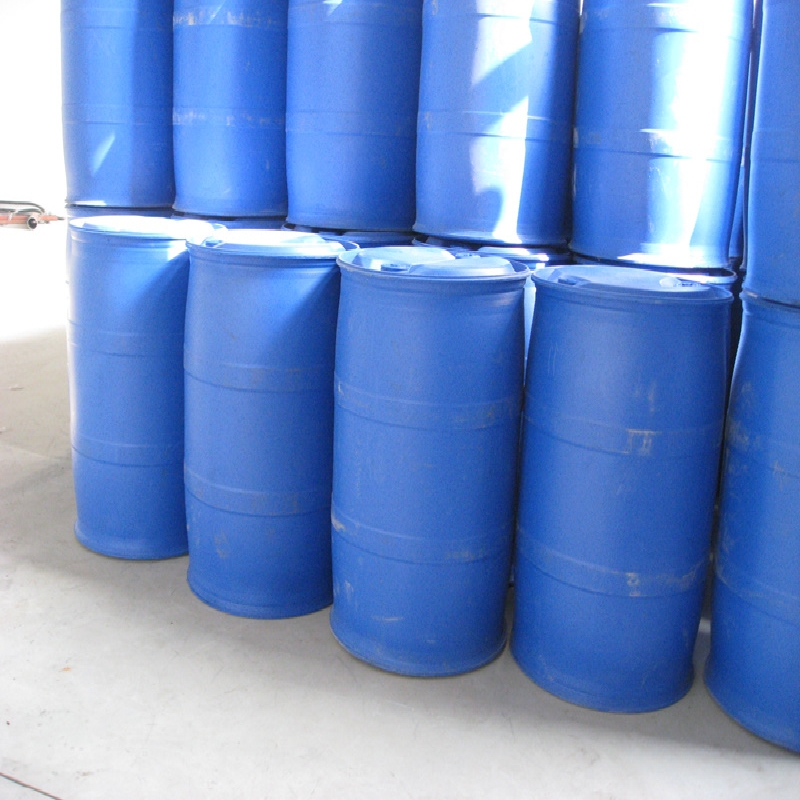
Dibutyl phthalate
(84-74-2)2. Plasticizer
-

Industrial Grade / 99%
-

-

- / 99.00%
-


(±)-Camphor
(76-22-2)-

Industrial Grade / 99%
-

-

- / 99.00%
-

- / 99%


Request for quotation , get quotes from more suppliers.
(+)-Camphor
(464-49-3)-

- / 0.00%
-
-Camphor")
- / 99.00%
-

Food Grade / 96%
-

Pharmaceutical Grade / 99%


Request for quotation , get quotes from more suppliers.
Source Plasticiser Products Supply
Decane
(124-18-5)-

- / 99%
-

Industrial Grade / 99.9%
-

Industrial Grade / 99%
-

Pharmaceutical Grade / 99%


Request for quotation , get quotes from more suppliers.
Neopentyl glycol
(126-30-7)-

- / 0.00%
-

Pharmaceutical Grade / 99%
-
")
-

Food Grade / 99.5%


Ethyl acrylate
(140-88-5)-

Chemical Grade / 99%
$1/KG FOB
-

-

-
 CAS 140-88-5 Stabilized with MEHQ for Polymer Synthesis, Coatings, Adhesives & Flavorings")
Industrial Grade / 99%


Triacetin
(102-76-1)-

Food Grade / 99%
$1/KG FOB
-

Industrial Grade / 99.9%
-

industrial Grade / 98%
-

- / 99.00%


Triphenyl phosphate
(115-86-6)-

-

- / 0.00%
-

- / 99.00%
-


Request for quotation , get quotes from more suppliers.
More Information
Plasticizers function by increasing the flexibility and workability of various materials. They work by integrating between the molecules of a substance, allowing them to move more freely and creating a softer, more pliable texture.
Lotions, creams, and sunscreens containing plasticizers spread smoothly and evenly on the skin. Hair styling products like gels and mousses incorporate plasticizers for better control and definition, without leaving a greasy residue.
Types of plasticizers:
● Phthalate esters: including dibutyl phthalate (DBP), di(2-ethylhexyl) phthalate (DEHP), diisononyl phthalate (DINP), etc.
● Fatty acid esters: including glyceryl stearate, glyceryl palmitate, etc.
● Phosphate esters: including triphenyl phosphate, trimethyl phosphate, etc.
● Polyols: including polyethylene glycol, polypropylene glycol, etc.
Frequently Asked Questions
A plasticiser (or plasticizer) is an additive used to increase the flexibility, workability, and durability of plastics—particularly rigid polymers like PVC. By reducing intermolecular forces between polymer chains, plasticisers make materials softer and more pliable. They are essential in manufacturing products such as cables, flooring, medical tubing, and synthetic leather.
The most widely used plasticisers include phthalates (e.g., DEHP, DINP), non-phthalates like DINCH and DOTP, and bio-based alternatives such as epoxidized soybean oil (ESBO). Phthalate-based plasticisers dominate due to cost-effectiveness, but regulatory pressures have driven demand for safer, non-phthalate options—especially in toys, food packaging, and medical devices.
Selecting the right plasticiser depends on several factors:1. Compatibility with the base polymer (e.g., PVC, PU).2. Required flexibility and durability of the final product.3. Regulatory compliance (e.g., REACH, RoHS, FDA approval for food or medical use).4. Environmental and health considerations—non-phthalate or bio-based options may be preferred.5. Processing conditions and long-term performance needs like heat or UV resistance.
Safety depends on the specific type of plasticiser and its intended use. While some traditional phthalates (like DEHP) are restricted in children’s toys and medical devices due to potential health risks, many modern plasticisers—including DINCH, DOTP, and ESBO—are rigorously tested and approved for sensitive applications. Always verify compliance with regional regulations (e.g., EU REACH, U.S. CPSIA) and request safety data sheets (SDS) from suppliers.
Key trends include the shift toward non-phthalate and bio-based plasticisers driven by environmental regulations and consumer demand for sustainable products. Innovations focus on improving performance (e.g., migration resistance, thermal stability) while reducing toxicity. Additionally, circular economy initiatives are spurring development of recyclable and biodegradable plasticiser formulations compatible with eco-friendly polymers.