




Organic Chemistry
- • Amides (2638)
- • Alcohols, Phenols, Phenol Alcohols (341)
- • Nitrogen Compounds (273)
- • Nitrile Compound (97)
- • Hydrazine or Hydroxylamine Derivatives (213)
- • Quinones (38)
- • Ethers and Derivatives (191)
- • Aldehydes (126)
- • Carboxylic Acids and Derivatives (860)
- • Hydrocarbons and Derivatives (2332)
- • Ketones (95)
- • Inorganic Acid Esters (173)
- • Heterocyclic Ring (426)
- • Organometallic Compounds (989)
- • Organosulfur Compounds (90)
- • Phosphines (736)
- • Organometalate (290)
- • Organic Fluorine Compound (2157)
- • Triazenes (18)
- • Semicarbazides (34)
- • Organoselenium Compounds (28)
- • Nitro Compounds (96)
- • Nitrates (15)
- • Lactones (240)
- • Imines (24)
- • Free Radicals (48)
- • Dioxins and Dioxin-like Compounds (31)
- • Cyanates (32)
- • Coordination Complexes (3065)
- • Boron Compounds (121)
- • Azides (67)
- • Arsenicals (56)
Related News
-
What is the Commonality of Cellulose Ether?
2023-03-22 -
How To Make Ether? Step By Step Guide On Making Ether
2022-06-15 -
Sodium Lauryl Ether Sulphate (SLES)
2017-08-24


Ethers and Derivatives Featured Products
Ethers and Derivatives
2-Methoxyethanol
(109-86-4)-

Pesticide Grade / 99%
-

Industrial Grade / 99%
-

-
")
Industrial Grade / 99%



Diglyme
(111-96-6)-

Industrial Grade / 99%
$2.8/KG FOB
-
")
-

-


Diethylene glycol monomethyl ether
(111-77-3)-

- / 0.00%
-
ethanol")
- / 99.00%
-
")
$1-1.2/KG FOB
-



Request for quotation , get quotes from more suppliers.
Methyl ether
(115-10-6)-

Industrial Grade / 100%
-

Chemical Grade / 99.99%
-

Industrial Grade / 99.8%
-

Industrial Grade / 98%
$2200/MT FOB


-

Industrial Grade / 99%
-

- / 0.00%
-

- / 99.00%
-

Industrial Grade / 99%


Source Ethers and Derivatives Products Supply
1-Methoxy-2-propanol
(107-98-2)-

Industrial Grade / 99.5%
-

Industrial Grade / 99%
-

-

- / 99.00%


Anisole
(100-66-3)-

Industrial Grade / 99%
-

-

-

Research and Industrial Grade / 98.00%



Request for quotation , get quotes from more suppliers.
-

Industrial Grade / 99.9%
$1/MT FOB
-

-

-

- / 99.9%


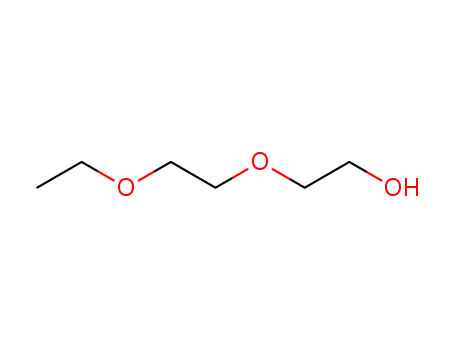
Diethylene glycol monoethyl ether
(111-90-0)-

-
ethanol")
- / 99.00%
-

Industrial Grade / -
-
 /Diethylene Glycol Monoethyl Ether/Ethoxydiglycol")
Industrial Grade / 99%


3-Bromoanisole
(2398-37-0)-

-

- / 0.00%
-

- / 99.00%
-
")


Request for quotation , get quotes from more suppliers.
Source Ethers and Derivatives Raw Materials by Region


More Information
Application of ethers
Ethers are frequently employed as solvents in industrial production due to their superior solvency qualities. For instance, colorless methyl ether (methoxymethane) is primarily utilized as a fuel, solvent, and chemical raw material. Tert-butyl ether, also known as isobutyl ether, is a colorless liquid that finds widespread application in the paint, dye, and rubber industries.
The main areas of application are as follows:
● Pharmaceutical field: Diethyl ether has historically been used as an anesthetic; Cellulose ether, are frequently used as pharmaceutical excipients in pharmaceutical applications.
● Chemical field: ether and its derivatives are frequently utilized as solvents. Polyethers are utilized extensively in coatings, polymers, and rubber goods.
● Cleaning: In the cotton and wool spinning industries, ether compounds are utilized as oil cleaning agents.
● Fuel: Methyl ether is a beta chilling agent that can be used in place of hydrofluorocarbons (CFCs).
Frequently Asked Questions
Ethers and Derivatives are widely used as solvents, intermediates, and reagents in organic synthesis, pharmaceutical manufacturing, and polymer production. Common applications include their use in Grignard reactions, as extraction solvents due to their low reactivity, and as building blocks for more complex molecules such as APIs (Active Pharmaceutical Ingredients). Their stability and ability to dissolve a wide range of organic compounds make them essential in both laboratory and industrial settings.
When selecting a supplier for Ethers and Derivatives, consider the following criteria:1. Compliance with international quality standards such as ISO, REACH, or GMP.2. Consistent product purity and detailed Certificates of Analysis (CoA).3. Strong supply chain reliability and on-time delivery performance.4. Technical support capabilities and regulatory documentation assistance.5. Experience serving your specific industry, whether pharmaceuticals, agrochemicals, or fine chemicals.Verifying these factors helps ensure product consistency and regulatory compliance.
Common types include diethyl ether, tetrahydrofuran (THF), dioxane, anisole, and glycol ethers such as ethylene glycol monomethyl ether. Derivatives like crown ethers and silyl ethers are also important—crown ethers for phase-transfer catalysis and silyl ethers as protecting groups in multi-step organic synthesis. Each type offers unique solvation properties, boiling points, and reactivities suited to specific chemical processes.
Yes, many Ethers and Derivatives require careful handling due to their flammability, volatility, and potential to form explosive peroxides upon prolonged exposure to air and light—especially diethyl ether and THF. Always store them in airtight, amber containers with stabilizers, away from ignition sources. Use proper PPE, work in well-ventilated fume hoods, and follow SDS (Safety Data Sheet) guidelines. Regular testing for peroxide formation is recommended for long-term storage.