




Cosmetic Ingredient
- • Abrasive (124)
- • Absorbent (84)
- • Anticaking (66)
- • Anticorrosive (25)
- • Antifoaming (19)
- • Antimicrobials (290)
- • Antioxidant Ingredient (393)
- • Antiperspirant (20)
- • Antiplaque (48)
- • Anti-seborrheic (38)
- • Anti-sebum (38)
- • Antistatic (457)
- • Astringent (162)
- • Binding Agent (171)
- • Bleaching Agent (53)
- • Buffering (189)
- • Bulking (109)
- • Chelating (122)
- • Cleansing (681)
- • Cosmetic Colorant (212)
- • Cosmetic Preservative (158)
- • Denaturant (45)
- • Deodorant (97)
- • Depilatory (27)
- • Dissolving Agent (297)
- • Emollient (795)
- • Emulsifying Agent (481)
- • Emulsion Stabilising (153)
- • Exfoliating (19)
- • Film Forming (299)
- • Flavouring (72)
- • Foam Boosting (161)
- • Foaming (101)
- • Fragrance Ingredient (731)
- • Gel Forming (19)
- • Hair Conditioning (672)
- • Hair Dyeing (363)
- • Hair Fixing (36)
- • Hair Waving or Straightening (45)
- • Humectant (281)
- • Hydrotrope (92)
- • Keratolytic (20)
- • Light Stabilizer (77)
- • Moisturising Agent (50)
- • Nail Conditioning (42)
- • Occlusive (20)
- • Opacifying (119)
- • Oral Care (123)
- • Oxidising (19)
- • Perfuming (2106)
- • Plasticiser (98)
- • Propellant (19)
- • Reducing (51)
- • Refatting (12)
- • Refreshing (27)
- • Skin Cleansing (387)
- • Skin Conditioning (1747)
- • Skin Humectant (21)
- • Skin Protecting (281)
- • Smoothing (32)
- • Soothing (72)
- • Tonics (155)
- • UV Filter (33)
- • Viscosity Controlling (530)
Chemicals as Skincare Ingredients
Related News
-
BASF and Evonik Rumored Potential Acquisition or Merger
2026-09-24 -
Two Contractors Hospitalized After Deflagration at BASF Ludwigshafen Site
2026-09-22 -
Saudi Aramco Considers Selling Arlanxeo
2026-09-18 -
2026 Mid-Autumn Festival & National Day Holiday Notice
2026-09-22 -
Since September, the methanol market in China has shown a significant increase
2026-09-19 -
GLP-1 API Route to U.S. Abruptly Narrows: FDA Heavily Penalizes U.S. Compounding Pharmacy and Bypasses Warning Letter to Ban Chinese Factory
2026-09-29


Depilatory
Depilatory
Rosin
(8050-09-7)-

Chemical Grade / 99%
$1/KG FOB
-

- / 99.00%
-

Industrial Grade / 99%
-


Request for quotation , get quotes from more suppliers.
3-Mercaptopropionic acid
(107-96-0)-

Chemical Grade / 99%
-

- / 99.00%
-

Industrial Grade / 99%
-

Industrial Grade / 98%



Request for quotation , get quotes from more suppliers.
Carnauba wax
(8015-86-9)-

Industrial Grade / 99%
-

- / 99.00%
-

- / 99.00%
-




Request for quotation , get quotes from more suppliers.
Thioglycolic acid
(68-11-1)-

Industrial Grade / -
-

-

Food Grade / 99%
-

Industrial Grade / -


Zinc sulfide
(1314-98-3)-

Chemical Grade / 99%
$1/KG FOB
-

-

Pharmaceutical Grade / 99%
-

- / 99.00%


Request for quotation , get quotes from more suppliers.
Source Depilatory Products Supply
Ammonium thioglycolate
(5421-46-5)-

Cosmetics Grade / 99%
-

Industrial Grade / 99%
-

- / 0.00%
-

Food grade / 99%


Request for quotation , get quotes from more suppliers.
Disodium sulfide
(1313-82-2)2. It is used for H2S therapy, to study its effect on the prevention of diabetes in animals.
-

Chemical Grade / 99%
$1/KG FOB
-

- / 60%
-

-
 CAS 1313-82-2 for Leather Processing, Dyeing, Ore Flotation & Water Treatment")
Industrial Grade / 98%


-

Cosmetics Grade / 99%
-

Cosmetics Grade / 99%
-

Cosmetics Grade / 99%
-

Cosmetics Grade / 99.0%


Request for quotation , get quotes from more suppliers.
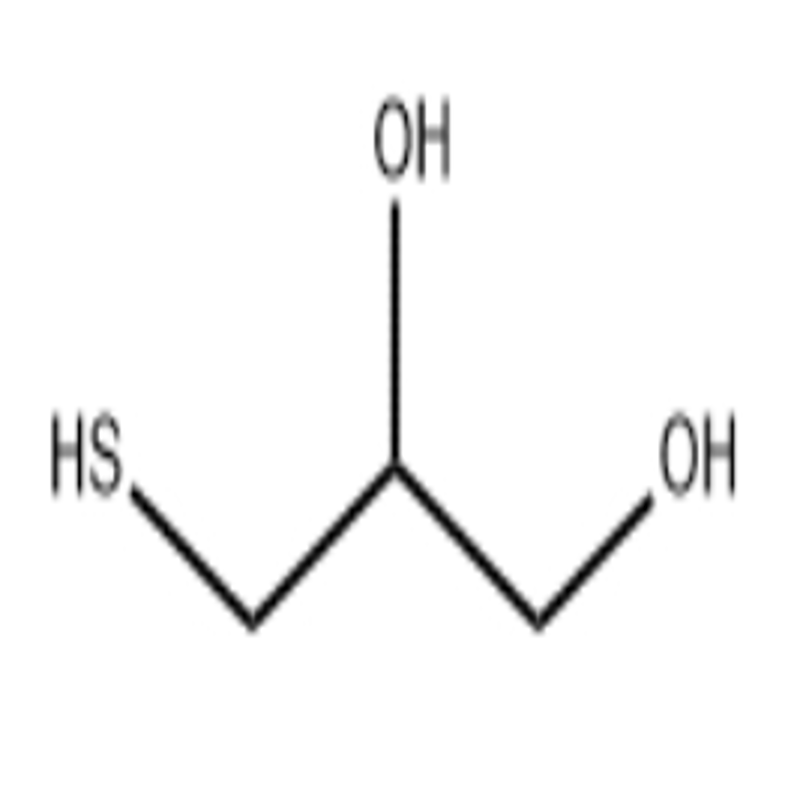
Thioglycerol
(96-27-5)-

Industrial Grade / 99.5%
-

Pharmaceutical Grade / 99%
-

Reagent Grade / 99%
$20-22/KG FOB
-


Request for quotation , get quotes from more suppliers.
Sodium thioglycolate
(367-51-1)-

Industrial Grade / 99%
-

Reagent Grade / 99%
$7-9/KG FOB
-

- / 99.00%
-

Food Grade / 99%



Request for quotation , get quotes from more suppliers.
More Information
Hair removal refers to the body hair is too long or too thick, especially some women's lips sweat hair thick, looks like a beard, seriously affecting the appearance. Hair removal techniques and products are used to get rid of hair on armpits, legs, hands and other parts of the body to achieve clean and beautiful results.
Depilatories include depilatory liquid, depilatory cream and depilatory cream, etc., which contain chemical ingredients that can dissolve hairs, dissolve the hair shaft and achieve the purpose of hair removal, mostly used for removing fine vellus hairs, and regular use can make newborn hairs become finer and lighter.
Possible side effects of depilators:
● Irritation: Epilators may cause redness, swelling and burning of the skin.
● Ingrown hairs: This may occur when hairs grow under the skin.
● Hyperpigmentation: Epilators may darken the skin.
Frequently Asked Questions
A depilatory is a cosmetic product—available as creams, lotions, gels, or powders—designed to remove unwanted hair by chemically dissolving the hair shaft at the skin’s surface. It typically contains active ingredients like calcium thioglycolate or potassium thioglycolate that break down keratin, the protein structure of hair. Depilatories offer a quick, painless alternative to shaving or waxing and are commonly used on legs, underarms, and bikini areas.
Depilatory creams can be used on sensitive skin, but caution is essential. Always perform a patch test 24 hours before full application to check for irritation or allergic reactions. Choose products labeled 'for sensitive skin,' which often contain soothing ingredients like aloe vera or chamomile and avoid harsh fragrances. Follow the manufacturer’s instructions precisely—leaving the product on too long may cause chemical burns or redness.
Hair removal results from depilatory creams typically last between 3 to 7 days, depending on individual hair growth cycles, thickness, and the body area treated. Since depilatories dissolve hair at the skin’s surface (similar to shaving), regrowth appears faster than with methods that remove hair from the root, such as waxing or epilation. Regular use may slightly slow visible regrowth over time due to consistent exfoliation.
Some depilatory creams are specifically formulated for facial or bikini use, but not all products are suitable for these sensitive areas. Always check the label to ensure the product is approved for the intended zone. Facial depilatories usually have milder formulas, while bikini-area versions are tested for intimate skin tolerance. Never use regular body depilatories on the face or genitals, as this can lead to severe irritation or chemical injury.
When selecting a depilatory, consider: (1) Skin compatibility—opt for dermatologist-tested, hypoallergenic formulas if you have sensitive skin; (2) Active ingredients—calcium thioglycolate is common and effective, but newer options like mercaptamine may be gentler; (3) Added skincare benefits—look for moisturizers, antioxidants, or pH-balancing agents; (4) Brand reputation and compliance with cosmetic safety regulations (e.g., FDA or EU standards). Reading verified customer reviews can also help assess real-world performance and tolerability.