




Food Additives
- • Coating Agent (19)
- • Preservative (33)
- • Coloring Agent (40)
- • Gum Base Agent (25)
- • Anticaking Agent (7)
- • Food Antioxidants (41)
- • Enzyme (49)
- • Flour Treatment Agent (4)
- • Leavening Agent (1)
- • Bleach (3)
- • Other Food Additives (92)
- • Emulsifier (25)
- • Food Flavorings (30)
- • Water Retention Agent (1)
- • Acidity Regulators (6)
- • Sweeteners (36)
- • Stabilizer and Coagulants (4)
- • Defoamers (5)
- • Nutrition Supplements (171)
- • Thickener (30)
- • Odorants (29)
- • Colorant (16)
Related News
-
China’s New Food-Contact Standards Take Effect, Resetting Compliance for Coatings and Silicone Rubber
2026-09-02 -
BASF Coatings and Li Auto Cooperate to Develop Low-Carbon Automotive Coatings
2025-04-02 -
Paints and Coatings Market Worth $212B by 2026: MarketsandMarkets
2023-02-03 -
European Coatings Show 2023
2023-01-12 -
Prices of coatings, titanium dioxide, and emulsions have risen across the board!
2021-08-13 -
Analyze the reforms facing the development of coatings
2020-07-30


Coating Agent Featured Products
Coating Agent
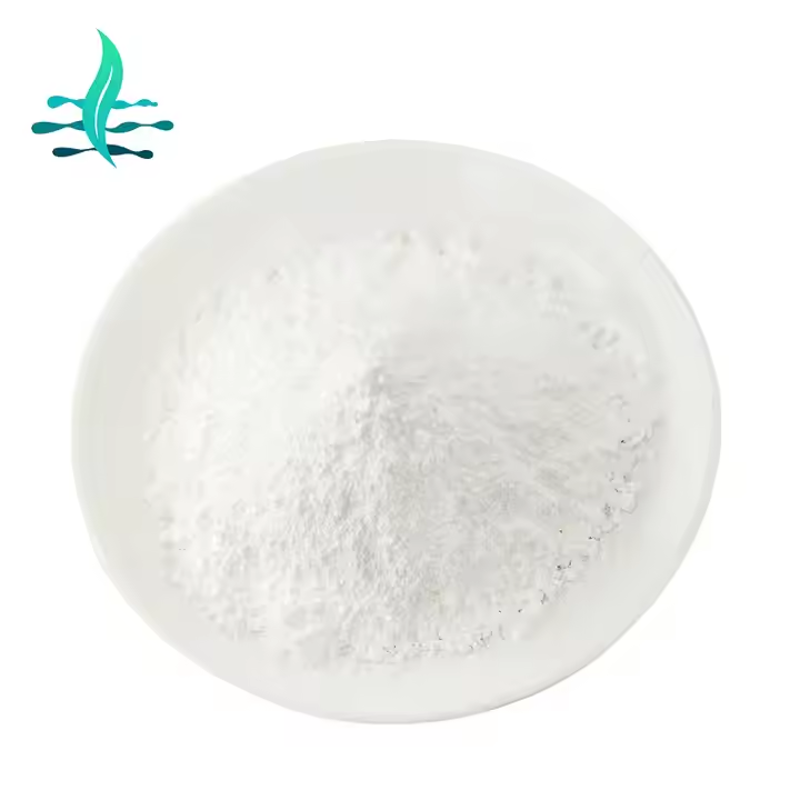
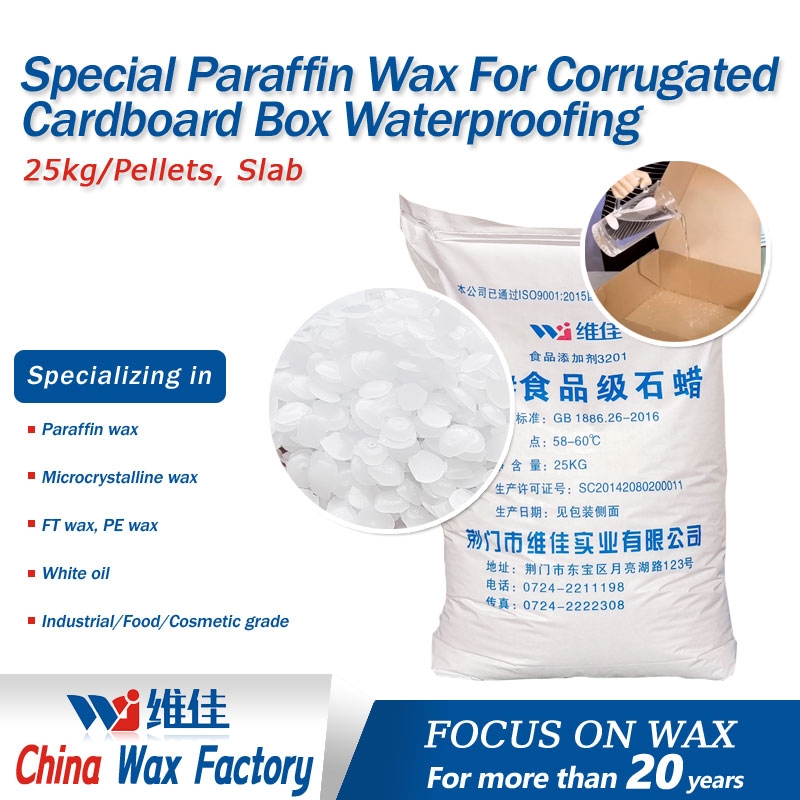
Hydrocarbon waxes
(8002-74-2)-

Food Grade / 99.5%
-

food Grade / 99%
-

Food Grade / 100%
$1458-1460/MT FOB
-

Food Grade, Pharmacy Grade, Industrial Grade / 99%


Zeins
(9010-66-6)-

Food Grade / 18.7%
$175-180/MT FOB
-

Food Grade / 92.0%
-

Food Grade / 99.9%
-

Food Grade / 99%


Request for quotation , get quotes from more suppliers.
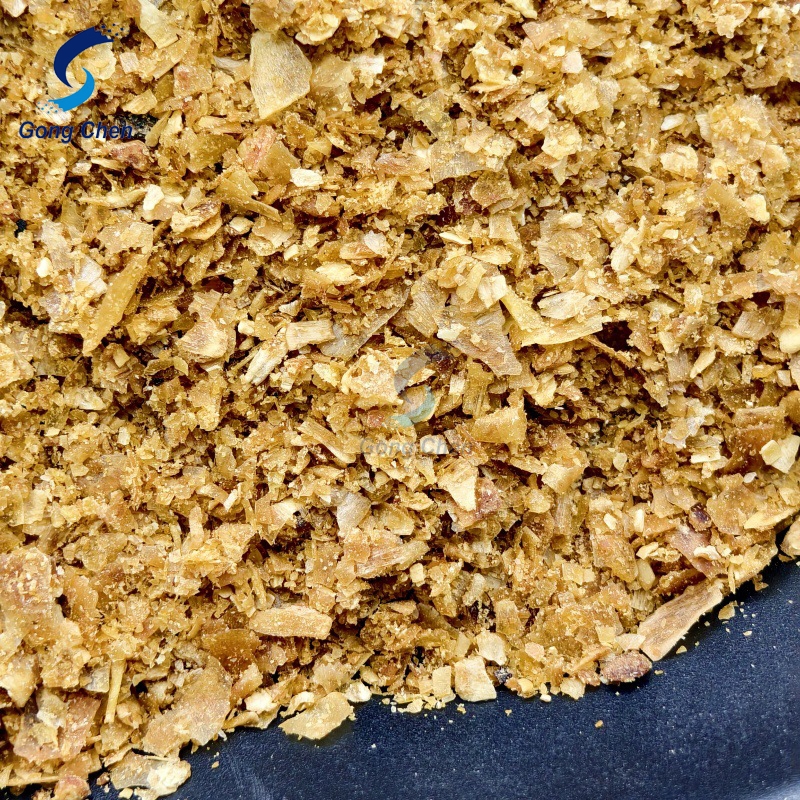
Shellac
(9000-59-3)-

food / 99%
-

Pharmaceutical Grade / 99.9%
-

-



White mineral oil (petroleum)
(8042-47-5)-

Food Grade / 99%
-

food Grade / 99%
$2/KG EXW
-

Industrial Grade / 99.5%
-

Request for quotation , get quotes from more suppliers.
bee's wax
(8012-89-3)White wax is also used as a film coating in sustained-release tablets. White beeswax microspheres may be used in oral dosage forms to retard the absorption of an active ingredient from the stomach,
-

Food Grade / -
-

Cosmetics Grade & Food Grade / -
-

Cosmetics Grade & Food Grade / 100%
-

Food Grade / 99%


Request for quotation , get quotes from more suppliers.
Source Coating Agent Products Supply
Coconut oil
(8001-31-8)-

Food Grade / 95%
-

food Grade / 99%
-

Food/Nutra Grade / 99%
$24/KG EXW
-

Food Grade / 90%

Request for quotation , get quotes from more suppliers.
Paraffin oils
(8012-95-1)-

Food Grade / 99%
-

Industrial Grade / 99%
-

- / 0.00%
-



Request for quotation , get quotes from more suppliers.
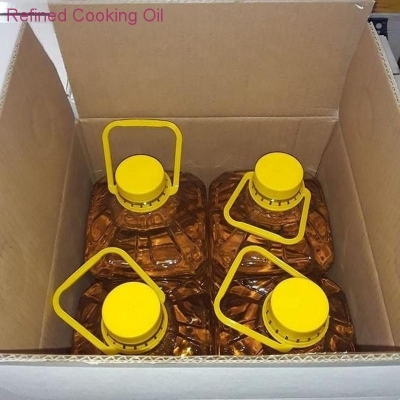
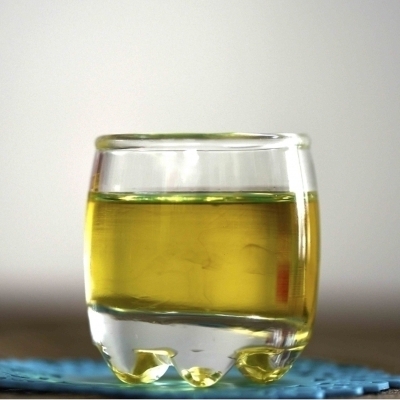
Cottonseed oil
(8001-29-4)-

Food Grade / 99%
-

-

Top Product / 98%
-

Pharmaceutical Grade / 99%


Request for quotation , get quotes from more suppliers.
Soybean oil
(8001-22-7)-

Food Grade / 99%
$1200-1500/MT FOB
-

-

Industrial Grade / 99%
-

- / 99.00%

Request for quotation , get quotes from more suppliers.
Corn oil
(8001-30-7)-

Food Grade / 99%
-

- / 99.00%
-

USP / EP / BP / JP Grade / 99.9%
-

Guaranteed Reagent / -


Request for quotation , get quotes from more suppliers.
Source Coating Agent Raw Materials by Region


Frequently Asked Questions
A coating agent is a chemical formulation applied to the surface of materials—such as tablets, capsules, metals, or paper—to provide protective, functional, or aesthetic properties. In the pharmaceutical industry, coating agents improve drug stability, mask taste, control release rates, or enhance appearance. In industrial applications, they offer corrosion resistance, water repellency, or improved adhesion. Selecting the right coating agent depends on the substrate, desired performance, and regulatory compliance.
Common types of pharmaceutical coating agents include:1. **Film-coating agents** (e.g., hydroxypropyl methylcellulose or HPMC) for smooth, protective layers.2. **Enteric coatings** (e.g., cellulose acetate phthalate) that resist stomach acid and dissolve in the intestine.3. **Sugar coatings** for traditional tablet aesthetics and taste masking.4. **Functional coatings** for modified or sustained drug release.These agents must meet pharmacopeial standards (e.g., USP, EP) and be manufactured under GMP conditions to ensure safety and efficacy.
When selecting a coating agent supplier, consider these key factors:1. **Regulatory compliance**: Ensure the supplier adheres to GMP, FDA, EMA, or other relevant standards.2. **Product consistency and purity**: Request certificates of analysis (CoA) and batch-specific documentation.3. **Technical support**: Reliable suppliers offer formulation guidance and troubleshooting.4. **Scalability and reliability**: Assess their production capacity and on-time delivery record.5. **Customization options**: Some suppliers can tailor coating formulations to specific drug release profiles or processing needs.
Yes, the market now offers eco-friendly coating agents made from biodegradable polymers (e.g., starch derivatives, chitosan, or polylactic acid) and water-based systems that reduce volatile organic compound (VOC) emissions. These sustainable alternatives are increasingly used in both pharmaceutical and industrial sectors to meet environmental regulations and corporate sustainability goals. Always verify third-party certifications like ISO 14001 or EcoLabel when evaluating green coating solutions.
Quality control for coating agents typically includes:1. **Viscosity and solids content** to ensure proper application during spraying or dipping.2. **Particle size distribution** for uniform film formation.3. **pH and microbial limits**, especially for pharmaceutical-grade materials.4. **Dissolution or disintegration testing** to validate functional performance (e.g., enteric or sustained release).5. **Stability studies** under various temperature and humidity conditions. Reputable manufacturers conduct these tests per ICH guidelines and provide full traceability for each batch.