




Water Treatment Chemical
- • Biocide & Algicide (39)
- • Corrosion Inhibitor (51)
- • Flocculant (54)
- • Water Softener (29)
- • Water Stabilizer (43)
Related News
-
Distilled vs Deionized Water: What’s the Difference?
2023-05-16 -
Curious Chemical Makeup Of Carbonated Water Chemical Structure
2022-11-25 -
Do you know why does salt increase the boiling point of water?
2022-07-07 -
Exploration of burdink two-component water-based paint
2019-11-18 -
LANXESS showcases innovative water treatment technologies
2019-10-31 -
29 water-based paint projects will be put into production soon!
2019-10-28


Water Stabilizer
Water Stabilizer
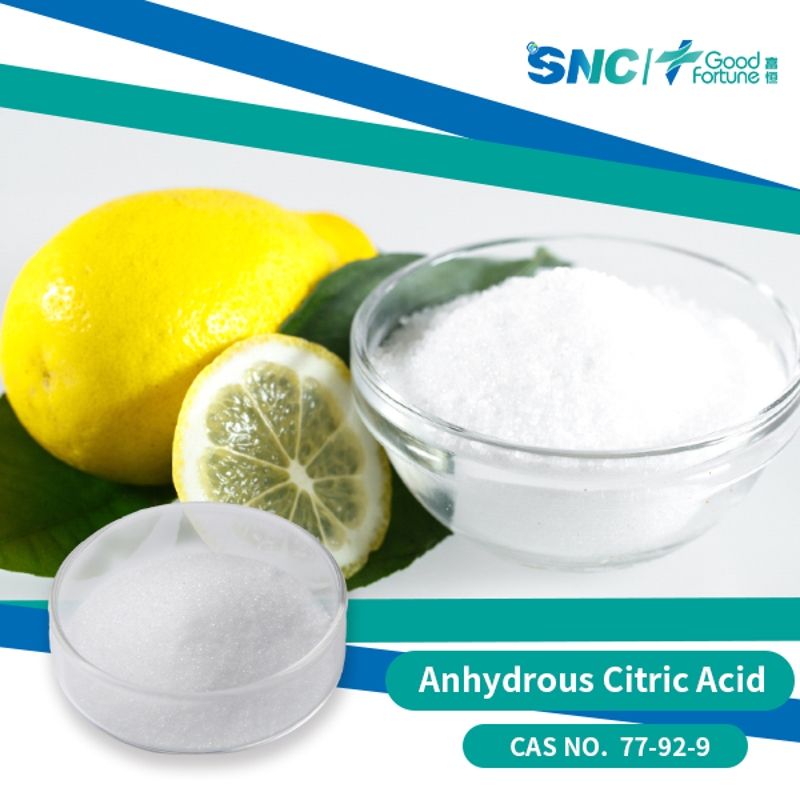
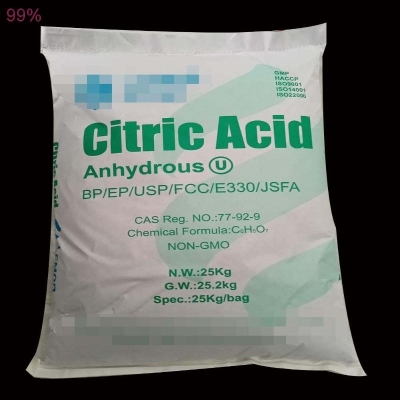
Citric acid
(77-92-9)-

Food Grade / 99%
-

Food Grade / 99.8%
-

Pharmaceutical Grade / 99%
-

BP/EP/USP/FCC grade / 99%


-

Industrial Grade / 99.99%
-

Industrial Grade / 99.9%
-

Chemical Grade / 99%
$1/G FOB
-

- / 99%

Glucose
(50-99-7)2. Labelled D-Glucose is a simple sugar that is present in plants. A monosaccharide that may exist in open chain or cyclic conformation if in solution. It plays a vital role in photosynthesis and fuels the energy required for cellular respiration. D-Glucose is used in various metabolic processes including enzymic synthesis of cyclohexyl-伪 and 尾-D-glucosides. Can also be used as a diagnostic tool
-

Food Grade / 99.5%
-

Food Grade / 99.8%
$550-700/MT FOB
-
-Glucose 99% powder 50-99-7 Dideu")
Chemical Grade / 99%
$1/KG FOB
-

Food Grade / 99%


Glucose
(50-99-7)2. Labelled D-Glucose is a simple sugar that is present in plants. A monosaccharide that may exist in open chain or cyclic conformation if in solution. It plays a vital role in photosynthesis and fuels the energy required for cellular respiration. D-Glucose is used in various metabolic processes including enzymic synthesis of cyclohexyl-伪 and 尾-D-glucosides. Can also be used as a diagnostic tool
-

Food Grade / 99.5%
-

Food Grade / 99.8%
$550-700/MT FOB
-
-Glucose 99% powder 50-99-7 Dideu")
Chemical Grade / 99%
$1/KG FOB
-

Food Grade / 99%
GLUCOSE
(58367-01-4)-

National Grade / 99%
-

-
 food grade")
Food Grade / 95%
-



Request for quotation , get quotes from more suppliers.
Source Water Stabilizer Products Supply
Polyethylene glycol
(25322-68-3)2. Poly(ethylene Glycol) molecules of approximately 2000 monomers. Poly(ethylene Glycol) is used in various applications from industrial chemistry to biological chemistry. Recent research has shown PEG maintains the ability to aid the spinal cord injury recovery process, helping the nerve impulse conduction process in animals. In rats, it has be
-

Industrial Grade / 98%
-

- / 0.00%
-
")
- / 99.00%
-
 95% White to pale yellow solid LK-YRM")
Industrial Grade / 95%
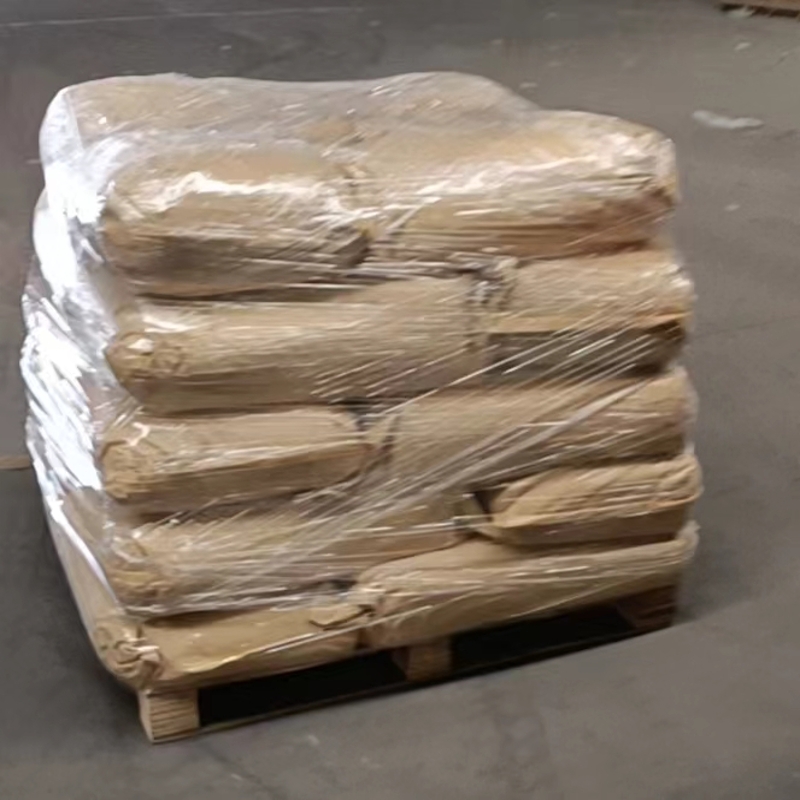


Polyaluminum chloride
(1327-41-9)-

Industrial grade & Drinking water grade / 30%
-

drinking water grade / 29%
-

drinking water grade / 30%
-

Industrial Grade/Food-grade / 28%

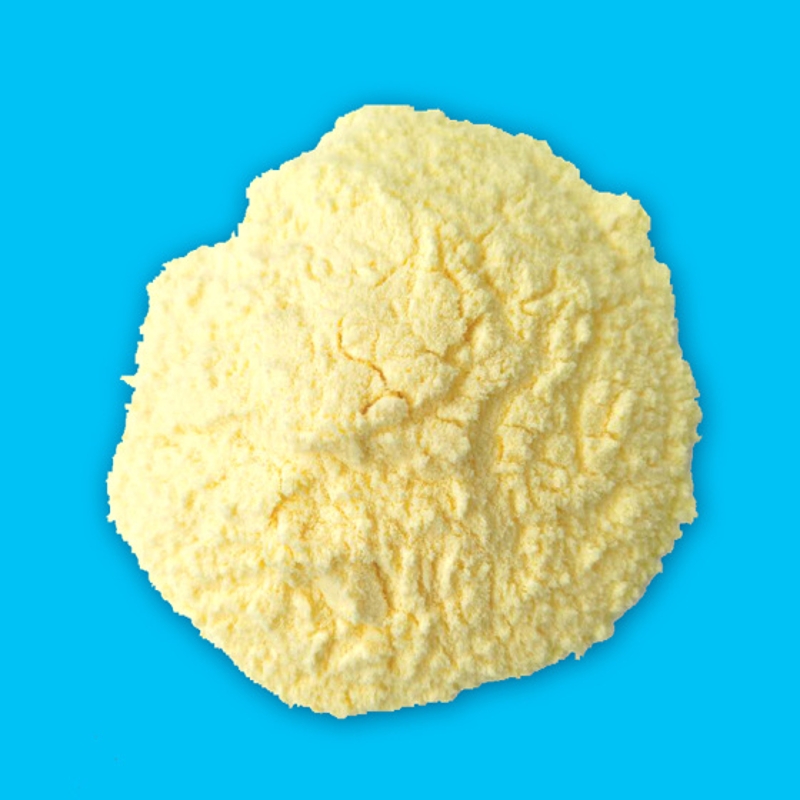


Iron oxide (Fe2O3)
(1309-37-1)-

Industrial Grade / 99%
-

- / 99.00%
-
 oxide 99% powder aly- 1309-37-1 lk")
Industrial Grade / 99%
-

- / 99%


Request for quotation , get quotes from more suppliers.
Polyacrylamide
(9003-05-8)-

Pharmaceutical Grade / 99%
$40/UNIT FOB
-

Chemical Grade / 99%
$1/KG FOB
-

-

- / 0.00%


Activated charcoal
(64365-11-3)2. Used for PSA separation of air and preparation of nitrogen.
3. Mainly used in the Chinese or western original drug in pharmaceutical industry.
4. It is suitable for the decoloring and deodorization of brewing industry, production of
-

Water Purifier / -
-

Chemical Grade / 99%
$1/KG FOB
-

-

Industrial Grade / 99%
$1300-1500/MT FOB



More Information
Water stabilizers offer cost-effective solutions for ensuring water purity and safety. Water stabilizers help prevent fluctuations in water quality and maintain desired parameters such as pH levels and alkalinity.
The function of water stabilizers can be understood through their ability to counteract changes caused by external factors, ensuring consistent water quality. They work by neutralizing acidic or alkaline substances in water, thereby preventing corrosion and scale formation in pipelines and equipment.
Key components of water stabilizers:
•sodium bicarbonate
•calcium carbonate
•phosphates
Frequently Asked Questions
A water stabilizer is a chemical additive used to maintain the quality and performance of water in industrial, commercial, or residential systems. It works by preventing scale formation, corrosion, and microbial growth in water circuits such as cooling towers, boilers, and HVAC systems. Water stabilizers typically contain phosphonates, polymers, or other chelating agents that bind with metal ions and inhibit unwanted reactions.
Water stabilizers are widely used in:1. Cooling water systems to prevent mineral scaling and biofouling.2. Boiler feedwater treatment to reduce corrosion and maintain efficiency.3. Reverse osmosis (RO) and desalination plants to protect membranes from scaling.4. Swimming pools and spas to balance water chemistry.5. Oil and gas operations for produced water management.These applications help extend equipment life and improve system reliability.
Selecting the right water stabilizer depends on several factors:1. Water chemistry (e.g., hardness, pH, chloride levels).2. System type (cooling tower, boiler, RO unit, etc.).3. Operating temperature and pressure conditions.4. Environmental and regulatory requirements (e.g., biodegradability, phosphate limits).5. Compatibility with other treatment chemicals.Consulting a water treatment specialist and conducting a water analysis are recommended for optimal selection.
Many modern water stabilizers are formulated to be environmentally friendly, especially those labeled as non-phosphorus, biodegradable, or low-toxicity. However, environmental impact varies by formulation. For example, traditional phosphonate-based stabilizers may contribute to eutrophication if discharged untreated. Always review Safety Data Sheets (SDS), comply with local discharge regulations, and consider eco-certified products when sustainability is a priority.
Common indicators include:1. Visible scale buildup on pipes or heat exchangers.2. Increased corrosion or rust in metal components.3. Reduced system efficiency or higher energy consumption.4. Frequent clogging of filters or nozzles.5. Unpleasant odors or cloudy water suggesting microbial growth.If you observe any of these issues, a water stabilizer—often as part of a broader water treatment program—can help restore and maintain system performance.