




Biochemical Engineering
- • Amino Acids and Proteins (231)
- • Nucleic Acid Drugs (17)
- • Enzymes and Coenzymes Drugs (115)
- • Inhibitors (1101)
- • Biological Response Modifiers (15)
- • Fat Medicines (8)
- • Amino Acids and Derivatives (4215)
- • Saccharides (2385)
- • Biochemical Reagents (351)
- • Nucleoside Drugs (356)
- • Condensing Agent (40)
- • Polypeptide (770)
- • Biosynthetic Natural Products (108)
- • Plant Extracts (833)
- • Chinese Herbs (354)
- • Microbiology Reagents (11)
- • Protein Research (34)
- • Lipids (281)
- • Inflammation Mediators (128)
Related News


Biological Response Modifiers
Biological Response Modifiers
Pidotimod
(121808-62-6)-

Pharmaceutical Grade / 99%
-

- / 99.00%
-

Pharmaceutical Grade / 99%
$100/G FOB
-

Pharmaceutical Grade / 99%

Request for quotation , get quotes from more suppliers.
Bestatin
(58970-76-6)-

Industrial Grade / -
-

-

- / 99.00%
-

Pharmaceutical Grade / 99%



Request for quotation , get quotes from more suppliers.
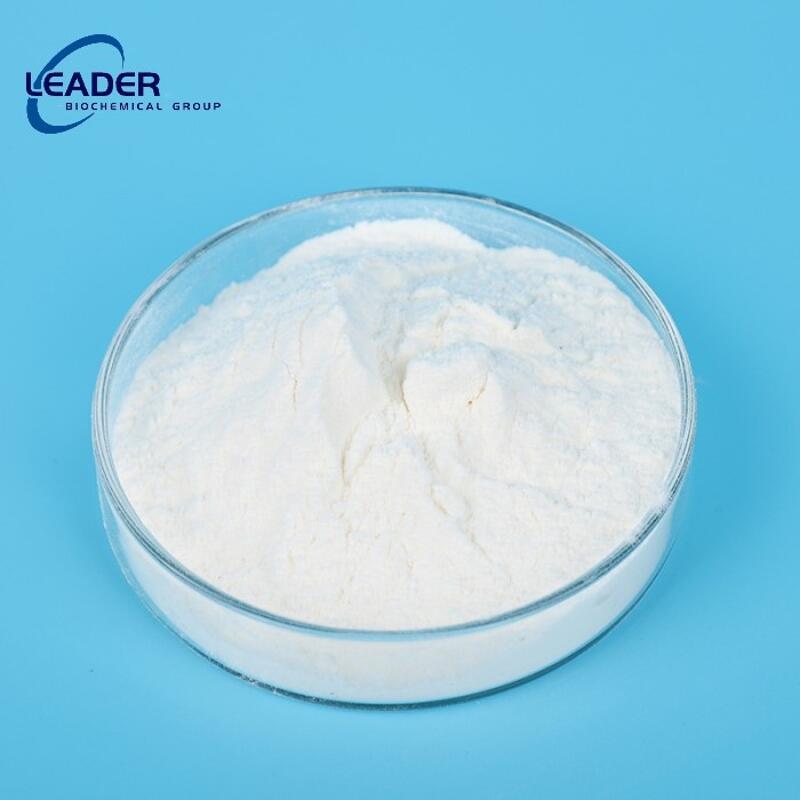
Lentinan
(37339-90-5)-

- / 99.00%
-

-

Chemical Grade / 99%
-

Pharmaceutical Grade / 99%

Request for quotation , get quotes from more suppliers.
Bis-tris propane
(64431-96-5)-
![buy 1,3-Bis[tris(hydroxymethyl)methylamino]propane]( "1,3-Bis[tris(hydroxymethyl)methylamino]propane")
- / 99.00%
-

Industrial Grade / 99%
$3/KG EXW
-
![buy China Most Professional Factory Supply High Qulity 1,3-Bis[tris(hydroxymethyl)methylamino]propane CAS 64431-96-5]( "China Most Professional Factory Supply High Qulity 1,3-Bis[tris(hydroxymethyl)methylamino]propane CAS 64431-96-5")
Pharmaceutical Grade / 99%
-
![buy 1,3-Bis[tris(hydroxymethyl)methylamino]propane 99%]( "1,3-Bis[tris(hydroxymethyl)methylamino]propane 99%")
Pharmaceutical Grade / 99%
![buy 1,3-Bis[tris(hydroxymethyl)methylamino]propane](https://file.echemi.com/fileManage/upload/cas/215/ca458033-64b1-418e-b4b4-9f566f066984.gif "1,3-Bis[tris(hydroxymethyl)methylamino]propane")

![buy China Most Professional Factory Supply High Qulity 1,3-Bis[tris(hydroxymethyl)methylamino]propane CAS 64431-96-5](https://file.echemi.com/fileManage/upload/goodpicture/20231123/china-largest-factory-manufacturer-supply-high-qulity-homotaurine-cas-3687-18-1_b20231123230748204.jpg "China Most Professional Factory Supply High Qulity 1,3-Bis[tris(hydroxymethyl)methylamino]propane CAS 64431-96-5")
![buy 1,3-Bis[tris(hydroxymethyl)methylamino]propane 99%](https://file.echemi.com/fileManage/upload/goodpicture/20161009/m20161009093814NTr.jpg "1,3-Bis[tris(hydroxymethyl)methylamino]propane 99%")
Request for quotation , get quotes from more suppliers.
Polyinosinic acid
(30918-54-8)-

Pharmaceutical Grade / 99%
-

-

industrial Grade / 98%
-

USP / EP / BP / JP Grade / 99.9%



Request for quotation , get quotes from more suppliers.
Source Biological Response Modifiers Products Supply
-

Pharmaceutical Grade / 99%
-

-

industrial Grade / 98%
-

USP / EP / BP / JP Grade / 99.9%


Request for quotation , get quotes from more suppliers.
Aristolochic acid
(313-67-7)-

- / 99.00%
-

Pharmaceutical grade / 99%
$10/G EXW
-

Industrial Grade / 99%
-
")
Industrial Grade / 99%


Request for quotation , get quotes from more suppliers.
-

- / 99.00%
-

Industrial Grade / 99.0%
-
acetic acid")
-


Request for quotation , get quotes from more suppliers.
Poly(I:C)
(24939-03-5)-

- / 99.00%
-

Pharmaceutical Grade / 99%
-

USP / EP / BP / JP Grade / 99.9%
-

Pharmaceutical Grade / 50%


Request for quotation , get quotes from more suppliers.
-

Industrial Grade / 99%
-

Ingredients / 99%
-

Industrial Grade / 99%
-



Request for quotation , get quotes from more suppliers.
Frequently Asked Questions
Biological Response Modifiers (BRMs) are substances that alter the body’s immune response to disease, particularly in the treatment of cancer, autoimmune disorders, and chronic infections. They can be naturally occurring or synthetically produced and include cytokines, monoclonal antibodies, vaccines, and gene therapies. BRMs work by enhancing, suppressing, or modulating specific immune pathways to improve therapeutic outcomes.
In cancer therapy, Biological Response Modifiers enhance the immune system’s ability to recognize and destroy tumor cells. Examples include interferons and interleukins, which stimulate immune cell activity, and checkpoint inhibitors like pembrolizumab that block signals tumors use to evade immune detection. By leveraging the body's own defenses, BRMs offer a targeted approach with potentially fewer side effects than traditional chemotherapy.
Common types of Biological Response Modifiers include:1. Cytokines such as interferon-alpha and interleukin-2.2. Monoclonal antibodies like rituximab and trastuzumab.3. Therapeutic vaccines designed to trigger immune responses against specific antigens.4. Immune checkpoint inhibitors including nivolumab and ipilimumab.These agents are selected based on disease type, patient profile, and treatment goals, often as part of personalized medicine strategies.
When sourcing Biological Response Modifiers, consider the following:1. Regulatory compliance—ensure products meet FDA, EMA, or other relevant authority standards.2. Purity and potency specifications, especially for preclinical or clinical applications.3. Supplier credibility, including GMP certification and quality control documentation.4. Batch-to-batch consistency and availability for long-term studies or treatments.Selecting a reliable supplier ensures both scientific validity and patient safety.
Yes, Biological Response Modifiers can cause side effects due to their immune-modulating effects. Common reactions include flu-like symptoms (fever, chills, fatigue), skin rashes, and gastrointestinal issues. More serious adverse events may involve autoimmune reactions or cytokine release syndrome, particularly with high-dose or combination therapies. Close monitoring and dose adjustments by qualified healthcare professionals are essential to manage risks effectively.