




Cosmetic Ingredient
- • Abrasive (124)
- • Absorbent (84)
- • Anticaking (66)
- • Anticorrosive (25)
- • Antifoaming (19)
- • Antimicrobials (290)
- • Antioxidant Ingredient (393)
- • Antiperspirant (20)
- • Antiplaque (48)
- • Anti-seborrheic (38)
- • Anti-sebum (38)
- • Antistatic (457)
- • Astringent (162)
- • Binding Agent (171)
- • Bleaching Agent (53)
- • Buffering (189)
- • Bulking (109)
- • Chelating (122)
- • Cleansing (681)
- • Cosmetic Colorant (212)
- • Cosmetic Preservative (158)
- • Denaturant (45)
- • Deodorant (97)
- • Depilatory (27)
- • Dissolving Agent (297)
- • Emollient (795)
- • Emulsifying Agent (481)
- • Emulsion Stabilising (153)
- • Exfoliating (19)
- • Film Forming (299)
- • Flavouring (72)
- • Foam Boosting (161)
- • Foaming (102)
- • Fragrance Ingredient (731)
- • Gel Forming (19)
- • Hair Conditioning (672)
- • Hair Dyeing (363)
- • Hair Fixing (36)
- • Hair Waving or Straightening (45)
- • Humectant (281)
- • Hydrotrope (92)
- • Keratolytic (20)
- • Light Stabilizer (77)
- • Moisturising Agent (50)
- • Nail Conditioning (42)
- • Occlusive (20)
- • Opacifying (119)
- • Oral Care (123)
- • Oxidising (19)
- • Perfuming (2106)
- • Plasticiser (98)
- • Propellant (19)
- • Reducing (51)
- • Refatting (12)
- • Refreshing (27)
- • Skin Cleansing (387)
- • Skin Conditioning (1747)
- • Skin Humectant (21)
- • Skin Protecting (281)
- • Smoothing (32)
- • Soothing (72)
- • Tonics (155)
- • UV Filter (33)
- • Viscosity Controlling (530)
Chemicals as Skincare Ingredients
Related News


Foaming
Foaming
Poly(oxy-1,2-ethanediyl), α-sulfo-ω-hydroxy-, C10-16-alkyl ethers, sodium salts
(68585-34-2)-

Cosmetics Grade / -
-

Cosmetics Grade / 70%
-

Cosmetics Grade / 99.99%
-
 Used in Detergent")
Cosmetics Grade / 99.99%
$1000-1200/MT FOB


Polyoxyethylene lauryl ether sodium sulfate
(9004-82-4)-

Cosmetics Grade / 98%
-

Cosmetics Grade / 99%
-

Cosmetics Grade / -
-

Cosmetics Grade / 70%
$1400-1500/MT FOB


Request for quotation , get quotes from more suppliers.
-

Cosmetics Grade / 99%
-

Cosmetics Grade / 70%
$1000-1300/MT EXW
-

Cosmetics Grade / 99%
$1/KG EXW
-

Industrial Grade / 99%


Request for quotation , get quotes from more suppliers.
Sodium dodecyl sulfate
(151-21-3)-

Cosmetic Grade / 92%
$850/MT FOB
-

Cosmetics Grade / 99%
-

Cosmetics Grade / 99%
-

Cosmetics Grade / 99%


-

Pharmaceutical Grade / 99%
-
![buy Ethanol, 2-(2-ethoxyethoxy)-, 2''-[(C12-15-branched and linear alkyl)oxy] derivs., hydrogen sulfates, sodium salts]( "Ethanol, 2-(2-ethoxyethoxy)-, 2''-[(C12-15-branched and linear alkyl)oxy] derivs., hydrogen sulfates, sodium salts")
Industrial Grade / 99%
-
![buy Ethanol, 2-(2-ethoxyethoxy)-, 2''-[(C12-15-branched and linear alkyl)oxy] derivs., hydrogen sulfates, sodium salts]( "Ethanol, 2-(2-ethoxyethoxy)-, 2''-[(C12-15-branched and linear alkyl)oxy] derivs., hydrogen sulfates, sodium salts")
-
![buy Ethanol, 2-(2-ethoxyethoxy)-, 2''-[(C12-15-branched and linear alkyl)oxy] derivs., hydrogen sulfates, sodium salts]( "Ethanol, 2-(2-ethoxyethoxy)-, 2''-[(C12-15-branched and linear alkyl)oxy] derivs., hydrogen sulfates, sodium salts")
Industrial Grade / 99%

![buy Ethanol, 2-(2-ethoxyethoxy)-, 2''-[(C12-15-branched and linear alkyl)oxy] derivs., hydrogen sulfates, sodium salts](https://file.echemi.com/fileManage/upload/category/ac71ac0d-8ef6-11ec-89e5-fa163ed06441.png "Ethanol, 2-(2-ethoxyethoxy)-, 2''-[(C12-15-branched and linear alkyl)oxy] derivs., hydrogen sulfates, sodium salts")
![buy Ethanol, 2-(2-ethoxyethoxy)-, 2''-[(C12-15-branched and linear alkyl)oxy] derivs., hydrogen sulfates, sodium salts](https://static-www.echemi.com/static_v3/images/common/defaultGoodsPicSize200_vb7108c.jpg "Ethanol, 2-(2-ethoxyethoxy)-, 2''-[(C12-15-branched and linear alkyl)oxy] derivs., hydrogen sulfates, sodium salts")
Request for quotation , get quotes from more suppliers.
Source Foaming Products Supply
- Poly(oxy-1,2-ethanediyl), α-sulfo-ω-hydroxy-, C12-14-alkyl ethers, sodium salts suppliers
- D-Glucopyranose, oligomeric, C10-16-alkyl glycosides suppliers
- Disodium lauryl sulfosuccinate suppliers
- Sodium Lauroyl Sarcosinate suppliers
- Triethanolamine lauryl sulfate suppliers
- Sodium dodecyl sulfate suppliers
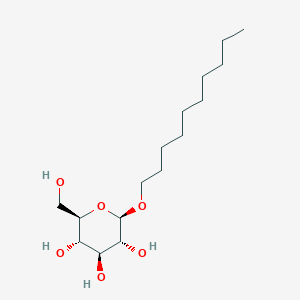
D-Glucopyranose, oligomeric, decyl octyl glycosides
(68515-73-1)-
 RC03181")
Cosmetics Grade / 99%
$1/KG EXW
-

Cosmetics Grade / 50%
-

Cosmetics Grade / -
-

Cosmetics Grade / 60%


Request for quotation , get quotes from more suppliers.
Ammonium lauryl sulfate
(2235-54-3)-

- / 0.00%
-

- / 70%
-

Industrial Grade / 70%
-

- / 70%


Request for quotation , get quotes from more suppliers.
-

Cosmetics Grade / 98%
-

Cosmetics Grade / 99%
-

Cosmetics Grade / 92%
$900-1100/UNIT FOB
-

Cosmetics Grade / 92%
$1386-1605/MT FOB



Request for quotation , get quotes from more suppliers.
-

Industrial Grade / 99%
-

- / 0.00%
-

Industrial Grade / 99%
-

- / 99.00%



Request for quotation , get quotes from more suppliers.
D-Glucopyranose, oligomeric, C10-16-alkyl glycosides
(110615-47-9)-

Cosmetics Grade / 50%
-

Cosmetics Grade / 99%
-

Cosmetics Grade / 99%
$1/KG EXW
-

cosmetic grade / -
$114/KG EXW


Request for quotation , get quotes from more suppliers.
More Information
Foaming agents function by reducing the surface tension of liquids, enabling the formation of bubbles and foam when the product is agitated or applied.
When foaming agents are introduced into formulations, they work to lower the surface tension of the liquid, allowing air to become trapped within the solution, resulting in the formation of bubbles and foam. This creates a pleasing sensory experience during product application, enhancing the perception of cleanliness.
In cosmetic foaming agents are used in:
•Facial cleansers
•Body washes
•Shaving creams
Frequently Asked Questions
Foaming refers to the formation of gas bubbles in a liquid, creating a foam layer that can interfere with industrial operations. It commonly occurs in chemical processing, wastewater treatment, food production, and pharmaceutical manufacturing. Uncontrolled foaming can reduce efficiency, cause overflow, or compromise product quality, making foam control essential in many applications.
Excessive foaming is typically caused by surfactants, proteins, or other surface-active agents present in the liquid. Agitation, aeration, high temperatures, or rapid mixing can also promote foam formation. In industries like biotechnology or food processing, natural ingredients such as yeast or plant extracts may contribute to persistent foam. Identifying the root cause is key to selecting the right antifoam solution.
Antifoaming agents (or defoamers) work by reducing surface tension at the air-liquid interface, causing foam bubbles to collapse. They are typically formulated with hydrophobic particles, oils (like silicone or mineral oil), or emulsifiers that destabilize foam films. Effective antifoams must be compatible with the process fluid and not negatively impact product quality or downstream operations.
Common antifoam types include silicone-based, mineral oil-based, water-based, and polyglycol-based formulations. Silicone antifoams offer strong performance in high-temperature or alkaline environments, while mineral oil variants are often used in food-grade applications. The choice depends on factors like process conditions, regulatory requirements (e.g., FDA compliance), and compatibility with the system.
Selecting the right antifoam involves evaluating several factors:1. Process conditions (pH, temperature, pressure).2. Regulatory compliance (e.g., NSF, FDA, or Kosher certification for food/pharma use).3. Compatibility with your system to avoid side effects like residue or emulsion issues.4. Dosage efficiency and ease of integration.Consulting with a technical supplier and conducting small-scale trials can help identify the most effective solution for your specific foaming challenge.