




Cosmetic Ingredient
- • Abrasive (124)
- • Absorbent (84)
- • Anticaking (66)
- • Anticorrosive (25)
- • Antifoaming (19)
- • Antimicrobials (290)
- • Antioxidant Ingredient (393)
- • Antiperspirant (20)
- • Antiplaque (48)
- • Anti-seborrheic (38)
- • Anti-sebum (38)
- • Antistatic (457)
- • Astringent (162)
- • Binding Agent (171)
- • Bleaching Agent (53)
- • Buffering (189)
- • Bulking (109)
- • Chelating (122)
- • Cleansing (681)
- • Cosmetic Colorant (212)
- • Cosmetic Preservative (158)
- • Denaturant (45)
- • Deodorant (97)
- • Depilatory (27)
- • Dissolving Agent (297)
- • Emollient (795)
- • Emulsifying Agent (481)
- • Emulsion Stabilising (153)
- • Exfoliating (19)
- • Film Forming (299)
- • Flavouring (72)
- • Foam Boosting (161)
- • Foaming (101)
- • Fragrance Ingredient (731)
- • Gel Forming (19)
- • Hair Conditioning (672)
- • Hair Dyeing (363)
- • Hair Fixing (36)
- • Hair Waving or Straightening (45)
- • Humectant (281)
- • Hydrotrope (92)
- • Keratolytic (20)
- • Light Stabilizer (77)
- • Moisturising Agent (50)
- • Nail Conditioning (42)
- • Occlusive (20)
- • Opacifying (119)
- • Oral Care (123)
- • Oxidising (19)
- • Perfuming (2106)
- • Plasticiser (98)
- • Propellant (19)
- • Reducing (51)
- • Refatting (12)
- • Refreshing (27)
- • Skin Cleansing (387)
- • Skin Conditioning (1747)
- • Skin Humectant (21)
- • Skin Protecting (281)
- • Smoothing (32)
- • Soothing (72)
- • Tonics (155)
- • UV Filter (33)
- • Viscosity Controlling (530)
Chemicals as Skincare Ingredients
Related News
-
BASF and Evonik Rumored Potential Acquisition or Merger
2026-09-24 -
Two Contractors Hospitalized After Deflagration at BASF Ludwigshafen Site
2026-09-22 -
Saudi Aramco Considers Selling Arlanxeo
2026-09-18 -
2026 Mid-Autumn Festival & National Day Holiday Notice
2026-09-22 -
Since September, the methanol market in China has shown a significant increase
2026-09-19 -
GLP-1 API Route to U.S. Abruptly Narrows: FDA Heavily Penalizes U.S. Compounding Pharmacy and Bypasses Warning Letter to Ban Chinese Factory
2026-09-29


Foam Boosting
Foam Boosting
(-)-Carnitine
(541-15-1)-

Cosmetics Grade / 99.9%
-

Cosmetics Grade / 99%
-

Cosmetics Grade / 99%
$43/UNIT EXW
-

Pharmaceutical Grade / 99%


Request for quotation , get quotes from more suppliers.
Poly(oxy-1,2-ethanediyl), α-sulfo-ω-hydroxy-, C10-16-alkyl ethers, sodium salts
(68585-34-2)-

Cosmetics Grade / -
-

Cosmetics Grade / 70%
-

Cosmetics Grade / 99.99%
-
 Used in Detergent")
Cosmetics Grade / 99.99%
$1000-1200/MT FOB


Cetyl alcohol
(36653-82-4)-

Cosmetics Grade / 98%
-

Cosmetic Raw Materials / 99%
-

Cosmetic Grade;Industrial Grade / 99%
-

Industrial Grade / 99%


Request for quotation , get quotes from more suppliers.
Cetearyl alcohol
(67762-27-0)-

Cosmetics Grade / 99%
-

Cosmetics Grade / 99%
$1735/MT FOB
-

Cosmetics Grade / 99%
-

Cosmetics Grade / 99%



Request for quotation , get quotes from more suppliers.
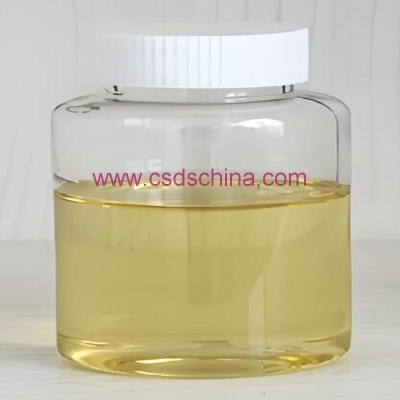
Cocamidopropyl betaine
(61789-40-0)-
 CAS NO: 61789-40-0")
Cosmetics Grade / 35%
-

Cosmetics Grade / 35%
-

Cosmetics Grade / 45%
-

Cosmetics Grade / 35%
$600-730/MT FOB


Request for quotation , get quotes from more suppliers.
Source Foam Boosting Products Supply
Stearyl alcohol
(112-92-5)-

Cosmetics Grade / 99%
$1-1.2/KG FOB
-

- / 0.00%
-

- / 99.00%
-

Agricultural Grade / 99%


Request for quotation , get quotes from more suppliers.
COCAMIDOPROPYL BETAINE
(83138-08-3)-

Industrial Grade / 99.00%
-

Industrial Grade / 99%
-

-
-N,")
Industrial Grade or Medical grade / 99%

Request for quotation , get quotes from more suppliers.
1-Decanol
(112-30-1)-

Industrial Grade / 99%
-
")
$1-1.2/KG FOB
-

-

- / 99.00%



Request for quotation , get quotes from more suppliers.
-

Industrial Grade / 98%
-

- / 0.00%
-

-

Pharmaceutical Grade / 99%


Request for quotation , get quotes from more suppliers.
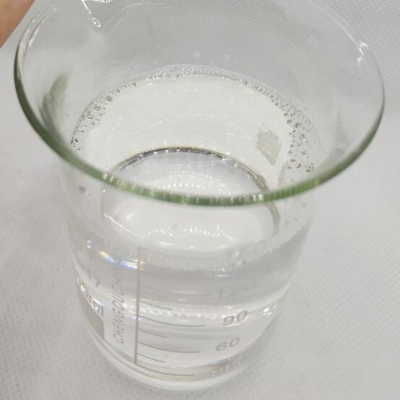
Dodecyldimethylamine oxide
(1643-20-5)-

Cosmetics Grade / 30%
$1.2-1.56/MT FOB
-

Pharmaceutical Grade / 99%
-

Industrial Grade / 30%
-

- / 0.00%


Request for quotation , get quotes from more suppliers.
More Information
foam boosting are substances that create pores in the material they are applied to. Chemical foam boosting is compounds that, upon heating, decompose to release gases such as carbon dioxide and nitrogen, forming fine pores within the polymer matrix.
foam boosting typically exhibits high surface activity, effectively reducing the surface tension of liquids. They arrange themselves at the liquid film surface with a bilayer structure, surrounding air to form bubbles, which then combine to create foam.
Foaming agent application:
•Foaming cleansers
•Shaving creams
•Facial cleansers
•Body washes
•Bubble bath products
Frequently Asked Questions
Foam boosting refers to the process of enhancing the volume, stability, and texture of foam in personal care and cleaning products by using specific surfactants or additives. These foam boosters—often amphoteric or nonionic surfactants like cocamidopropyl betaine or lauryl glucoside—work by reducing surface tension and stabilizing air bubbles within the liquid matrix. This results in richer, longer-lasting lather that improves user experience and product efficacy.
Foam boosting plays a critical role in consumer perception and product performance. While foam itself doesn’t directly correlate with cleaning power, consumers often associate rich, stable lather with effectiveness and quality. In shampoos and body washes, foam boosters enhance sensory appeal, improve spreadability, and help distribute active ingredients evenly across the skin or hair. Additionally, well-structured foam can trap dirt and oil more effectively during rinsing.
Common foam-boosting ingredients include cocamidopropyl betaine, sodium lauroyl sarcosinate, decyl glucoside, and lauryl glucoside. These mild surfactants not only increase foam volume but also improve foam stability and creaminess. They are often combined with primary anionic surfactants like sodium lauryl sulfate (SLS) or sodium laureth sulfate (SLES) to balance cleansing power with skin compatibility. Choosing the right blend depends on formulation goals, such as mildness, biodegradability, or sulfate-free claims.
Yes, foam boosters are essential in sulfate-free formulations to compensate for the lower foaming ability of alternative surfactants like glucosides or amino acid-based cleansers. Ingredients such as cocamidopropyl betaine and sodium cocoyl isethionate are frequently used to enhance lather without sulfates. These boosters help maintain consumer satisfaction by delivering a luxurious foam experience while meeting clean-label or sensitive-skin requirements.
Selecting the right foam booster depends on several factors: the base surfactant system, desired foam characteristics (e.g., dense vs. airy), skin feel, pH compatibility, and regulatory compliance. For example, cocamidopropyl betaine works well across a wide pH range and pairs effectively with both anionic and nonionic surfactants. If formulating for sensitive skin, opt for mild, biodegradable boosters like lauryl glucoside. Always conduct compatibility and performance testing to ensure optimal foam quality and stability in the final product.