




Chemical Reagents
- • Deuterated Reagents (124)
- • Organic Reagents (10146)
- • Silane Reagent (854)
- • Chiral Chemicals (28)
- • Grignard Reagent (5)
- • Desulfurizer (22)
Related News
-
What Reagent Is Used To Test For Starch
2022-03-03 -
Meditex Bangladesh2019
2018-11-09 -
International Exhibition for Laboratory Equipment and Chemical Reagents
2017-06-20


Grignard Reagents
Grignard Reagent
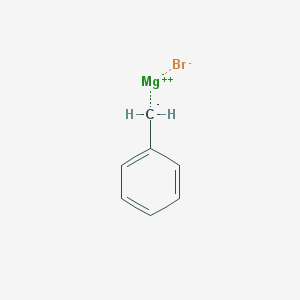
Benzylmagnesium bromide
(1589-82-8)-

-

Pharmaceutical Grade / 99.5%
-

-


Request for quotation , get quotes from more suppliers.
-

-

Industrial Grade / 99%
-

-

Industrial Grade / 99%


Request for quotation , get quotes from more suppliers.
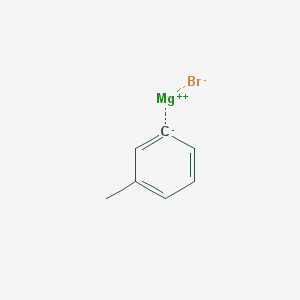
M-TOLYLMAGNESIUM BROMIDE
(28987-79-3)-

Industrial Grade, Feed Grade, Food Grade, Pharma Grade / 99%
-

-

-


Request for quotation , get quotes from more suppliers.
-

Chemical Grade / 99%
-
,methanidylbenzene")
-

-

Industrial Grade / 99%


Request for quotation , get quotes from more suppliers.
N,N-dipropylbutylamine
(4444-71-7)-

Industrial Grade / 99.0%
-

-

-

Industrial Grade / 99%

Request for quotation , get quotes from more suppliers.
Source Grignard Reagent Products Supply
disecoctyl carbonate
(101791-16-6)-

Chemical Grade / 99%

Request for quotation , get quotes from more suppliers.
Frequently Asked Questions
A Grignard reagent is an organomagnesium compound with the general formula RMgX, where R is an organic group (such as alkyl or aryl) and X is a halogen (typically Cl, Br, or I). These reagents are highly reactive and widely used in organic synthesis to form carbon-carbon bonds, making them essential in the production of alcohols, carboxylic acids, ketones, and other complex molecules. Their discovery by Victor Grignard earned him the Nobel Prize in Chemistry in 1912.
Grignard reagents are primarily used to construct new carbon-carbon bonds in organic synthesis. Common applications include:1. Reaction with carbonyl compounds (e.g., aldehydes, ketones) to produce secondary and tertiary alcohols.2. Synthesis of carboxylic acids through reaction with carbon dioxide.3. Preparation of extended hydrocarbon chains for pharmaceuticals, agrochemicals, and fine chemicals.4. Use as nucleophiles in forming C–C, C–O, and C–N bonds. Their versatility makes them indispensable in research labs and industrial-scale manufacturing.
Grignard reagents are moisture- and air-sensitive, reacting violently with water and oxygen. Safe handling requires:1. Use under inert atmosphere (e.g., nitrogen or argon) using Schlenk lines or gloveboxes.2. Storage in tightly sealed, anhydrous containers at low temperatures (often 0–5°C or lower).3. Use of dry, aprotic solvents like diethyl ether or THF.4. Proper personal protective equipment (PPE), including gloves, goggles, and lab coats.Always consult the Safety Data Sheet (SDS) and follow institutional safety protocols to prevent fire, explosion, or exposure hazards.
The quality and reactivity of Grignard reagents depend on several key factors:1. Purity and dryness of starting materials (especially magnesium turnings and organic halides).2. Absence of moisture or protic impurities in solvents and reaction vessels.3. Halogen type—reactivity generally follows the order RI > RBr > RCl.4. Solvent choice; ethereal solvents like THF stabilize the reagent via coordination to magnesium.5. Temperature control during preparation to avoid side reactions. High-quality Grignard reagents yield more reproducible and efficient synthetic outcomes.
When selecting a supplier for Grignard reagents, consider the following criteria:1. Compliance with international quality standards (e.g., ISO, GMP for applicable uses).2. Consistent product specifications, including concentration, purity, and solvent composition.3. Robust packaging designed for air- and moisture-sensitive materials (e.g., sealed ampoules or Sure/Seal™ bottles).4. Availability of technical support and detailed certificates of analysis (CoA).5. Proven track record in supplying research institutions or pharmaceutical manufacturers. A reliable supplier ensures both performance and safety in your synthetic workflows.