




Water Treatment Chemical
- • Biocide & Algicide (38)
- • Corrosion Inhibitor (51)
- • Flocculant (54)
- • Water Softener (29)
- • Water Stabilizer (43)
Related News
-
Distilled vs Deionized Water: What’s the Difference?
2023-05-16 -
Curious Chemical Makeup Of Carbonated Water Chemical Structure
2022-11-25 -
Do you know why does salt increase the boiling point of water?
2022-07-07 -
Exploration of burdink two-component water-based paint
2019-11-18 -
LANXESS showcases innovative water treatment technologies
2019-10-31 -
29 water-based paint projects will be put into production soon!
2019-10-28


Corrosion Inhibitor
Corrosion Inhibitor
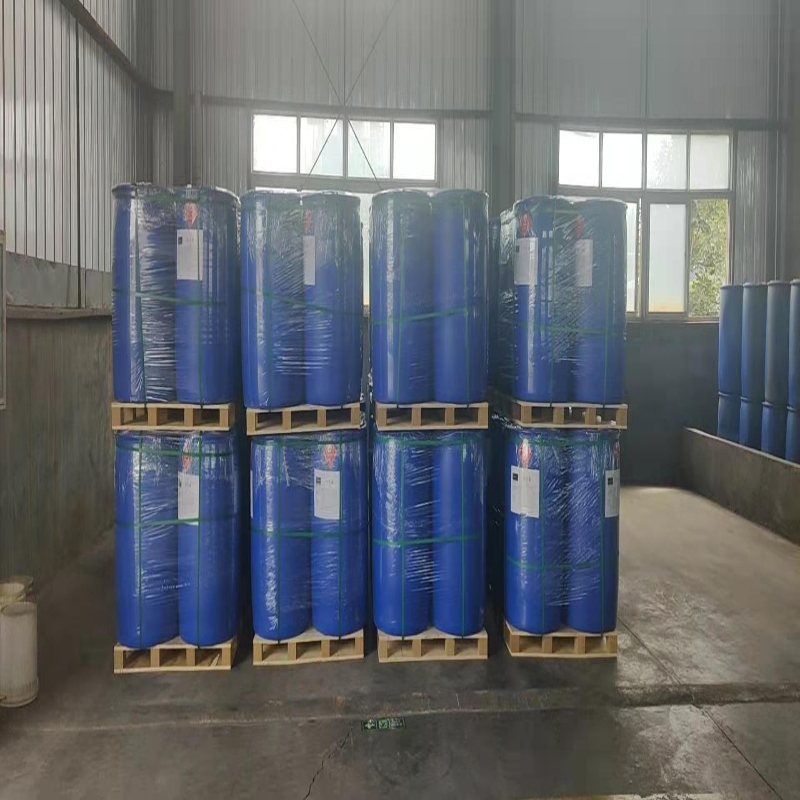
Ethylenediaminetetra(methylenephosphonic acid)
(1429-50-1)-
tetraphosphonic acid 99%")
-
tetraphosphonic acid")
- / 99.00%
-

Industrial Grade / 99%
-
tetraphosphonic acid")
industrial Grade / 98%


Request for quotation , get quotes from more suppliers.
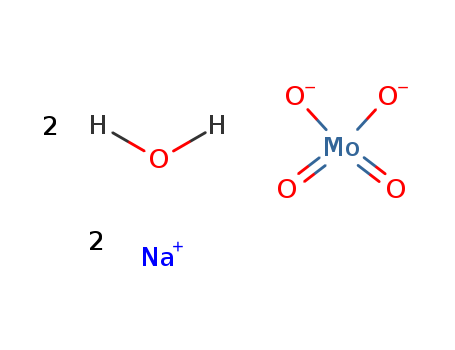
Sodium molybdate (Na2MoO4)
(7631-95-0)-

Chemical Grade / 99%
$1/KG FOB
-

- / 99.00%
-

Reagent Grade / 99%
$15-17/KG FOB
-

Pharmaceutical Grade / 99%



Request for quotation , get quotes from more suppliers.
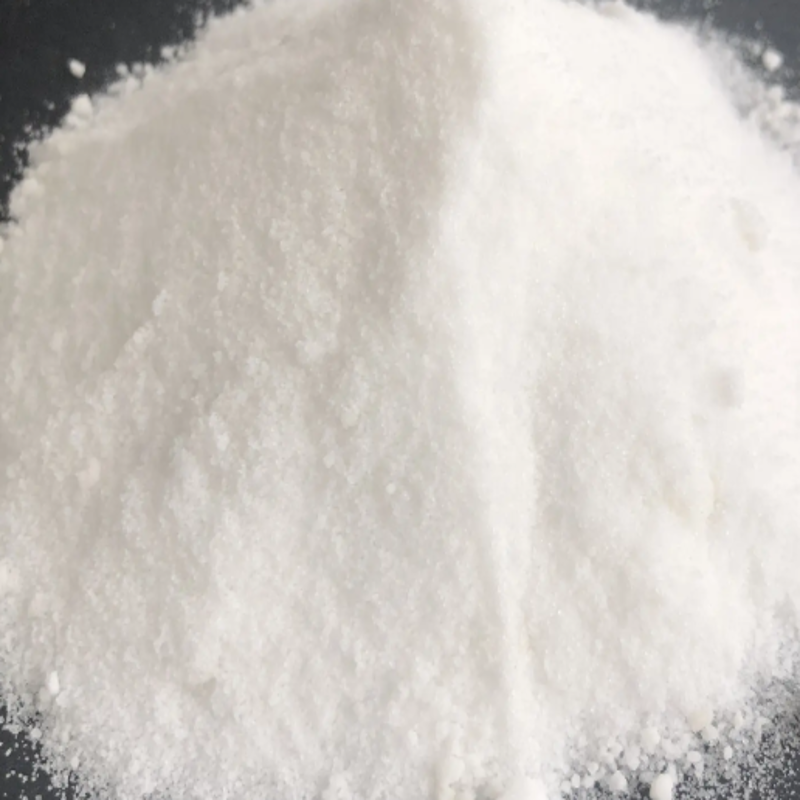
Sodium allylsulfonate
(2495-39-8)-

-

Pharmaceutical Grade / 99%
-

Industrial Grade / 35%
-

industrial Grade / 98%


Request for quotation , get quotes from more suppliers.
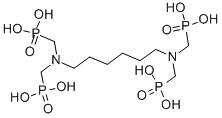
Hexanediaminetetra(methylenephosphonic acid)
(23605-74-5)-
tetraphosphonic acid")
- / 99.00%
-

Industrial Grade / 99.99%
-

Industrial Grade / 98%
-
tetraphosphonic acid")
industrial Grade / 98%


Request for quotation , get quotes from more suppliers.
Tetrasodium etidronate
(3794-83-0)-
bis-phosphonic acid tetrasodium salt CAS NO 3794-83-0 ISO 9001:2005 REACH Verified Producer")
Industrial Grade / 99%
-

-

- / 80%
-
bis-phosphonic acid tetrasodium salt")
- / 99.00%


Request for quotation , get quotes from more suppliers.
-

- / 0.00%
-
 heptasaodium salt")
-

-
")
Industrial Grade / -


Request for quotation , get quotes from more suppliers.
-

Pharmaceutical Grade / 99.5%
$1.2/KG EXW
-

-

- / 0.00%
-

- / 99.00%


Request for quotation , get quotes from more suppliers.
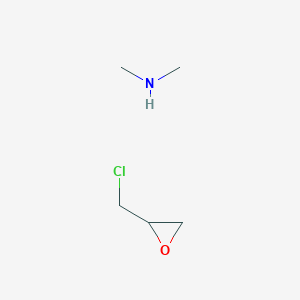
Dimethylamine-epichlorohydrin copolymer
(25988-97-0)-
")
- / 99.00%
-
 CAS 25988-97-0 with Best Price")
Pharmaceutical Grade / 99%
-
")
Industrial Grade / 99%
-
 solution")


Request for quotation , get quotes from more suppliers.
Dimethylamine-epichlorohydrin copolymer
(25988-97-0)-
")
- / 99.00%
-
 CAS 25988-97-0 with Best Price")
Pharmaceutical Grade / 99%
-
")
Industrial Grade / 99%
-
 solution")
Request for quotation , get quotes from more suppliers.
Phosphonic acid, P,P′-[1,6-hexanediylbis[nitrilobis(methylene)]]tetrakis-, potassium salt (1:?)
(38820-59-6)-

industrial Grade / 98%
-
")
Industrial Grade / -
-

Industrial Grade / 99.00%
-


Request for quotation , get quotes from more suppliers.
More Information
Corrosion inhibitors find widespread application in various industries where metal structures or components are exposed to corrosive agents. Corrosion inhibitors function by forming a protective barrier on the metal surface, which prevents corrosive substances from coming into contact with the metal substrate.
The mechanism of corrosion inhibition can be categorized into several types, including passivation, barrier protection, and adsorption. Passivation inhibitors work by promoting the formation of a stable oxide layer on the metal surface, which acts as a barrier against further corrosion. Barrier protection inhibitors create a physical barrier between the metal and the corrosive environment, while adsorption inhibitors attach themselves to the metal surface, forming a protective film.
Commonly used corrosion inhibitors:
•organic compounds, such as amines, phosphates
•inorganic compounds like , chromates and molybdates
Frequently Asked Questions
A corrosion inhibitor is a chemical compound added to liquids or gases to reduce the rate of corrosion on metals. It works by forming a protective film on the metal surface, neutralizing corrosive elements, or altering electrochemical reactions that cause rust and degradation. Corrosion inhibitors are widely used in industries such as oil and gas, water treatment, automotive, and manufacturing to extend equipment life and maintain system integrity.
Common types of corrosion inhibitors include anodic inhibitors (e.g., nitrites, phosphates), cathodic inhibitors (e.g., zinc salts), mixed inhibitors (e.g., silicates, organic amines), and volatile corrosion inhibitors (VCIs). Each type functions differently based on the corrosion mechanism and environment—such as acidic, alkaline, or saline conditions—and is selected according to the specific application and material being protected.
Selecting the right corrosion inhibitor depends on several factors:1. The type of metal involved (e.g., steel, copper, aluminum).2. The operating environment (e.g., pH, temperature, presence of chlorides or oxygen).3. Compatibility with other chemicals in the system.4. Regulatory and environmental requirements.5. Cost-effectiveness and ease of application.Consulting technical data sheets and working with qualified suppliers ensures optimal performance and compliance.
The environmental safety of corrosion inhibitors varies by formulation. Traditional inhibitors like chromates are highly effective but toxic and restricted under regulations like REACH and EPA guidelines. Modern alternatives—such as biodegradable organic inhibitors or green corrosion inhibitors derived from plant extracts—are increasingly used to meet sustainability standards. Always verify eco-certifications and disposal guidelines before use.
Corrosion inhibitors are essential in multiple industries:• Oil and gas: protecting pipelines, storage tanks, and downhole equipment.• Cooling water systems: preventing scale and rust in industrial chillers.• Automotive: in antifreeze and brake fluids to shield engine components.• Concrete construction: added to rebar coatings or admixtures.• Marine applications: safeguarding ship hulls and offshore platforms.Their use minimizes maintenance costs, prevents leaks, and enhances operational safety.