




Chemical Reagents
- • Deuterated Reagents (124)
- • Organic Reagents (10084)
- • Silane Reagent (853)
- • Chiral Chemicals (24)
- • Grignard Reagent (5)
- • Desulfurizer (22)
Related News
-
What Reagent Is Used To Test For Starch
2022-03-03 -
Meditex Bangladesh2019
2018-11-09 -
International Exhibition for Laboratory Equipment and Chemical Reagents
2017-06-20


Deuterated Reagents
Deuterated Reagents
Acetone-d6
(666-52-4)-

Industrial Grade / 99%
-

Pharmaceutical Grade / 99%
-

-



Request for quotation , get quotes from more suppliers.
Toluene-d8
(2037-26-5)-

- / 99.00%
-

Industrial Grade / 99%
-

-
benzene")
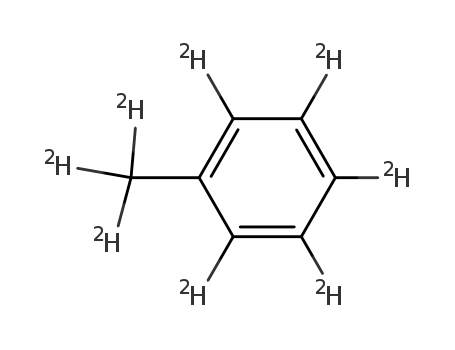


Request for quotation , get quotes from more suppliers.
-

Reagent Grade / 99%
$100-120/KG FOB
-
hydride LITHIUM DEUTERIDE (D) LITHIUM DEUTERIDE ISOTOPIC PURITY")
Chemical Grade / 99%
-

Industrial Grade / 99%
-

Industrial Grade / 99.0%

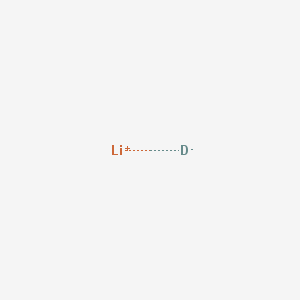
Request for quotation , get quotes from more suppliers.
-

Industrial Grade / 99%
-

-

-


Request for quotation , get quotes from more suppliers.
1,2-Dichlorobenzene-d4
(2199-69-1)-

Industrial Grade / 99%
-

-

-

Industrial Grade / 99%


Request for quotation , get quotes from more suppliers.
-

- / 99.00%
-

Chemical Grade / 99%
-

Industrial Grade / 99.0%
-


Request for quotation , get quotes from more suppliers.
Bromobenzene-d5
(4165-57-5)-

Industrial Grade / 99%
-

Chemical Grade / 99%
-

-


Request for quotation , get quotes from more suppliers.
Acetic acid-d4
(1186-52-3)-

- / 99.00%
-

Industrial Grade / 99%
-

Industrial Grade / 99.0%
-

Industrial Grade / 99%


Request for quotation , get quotes from more suppliers.
-
![buy Deuterated cyclohexane [1735-17-7] 99% a white or almost white crystalline powder kanbei]( "Deuterated cyclohexane [1735-17-7] 99% a white or almost white crystalline powder kanbei")
- / 99%
-

Industrial Grade / 99.0%
-

-

![buy Deuterated cyclohexane [1735-17-7] 99% a white or almost white crystalline powder kanbei](https://file.echemi.com/fileManage/upload/goodpicture/20220714/m20220714090420231.jpg "Deuterated cyclohexane [1735-17-7] 99% a white or almost white crystalline powder kanbei")

Request for quotation , get quotes from more suppliers.
-

Industrial Grade / 99%
-

-

-

Industrial Grade / 99%


Request for quotation , get quotes from more suppliers.
Frequently Asked Questions
Deuterated reagents are chemical compounds in which one or more hydrogen atoms have been replaced with deuterium, a stable isotope of hydrogen. They are essential in fields like NMR spectroscopy, mass spectrometry, and pharmaceutical development because they help track molecular pathways, improve analytical accuracy, and serve as internal standards. Their use enhances the precision and reliability of experimental results.
Deuterated solvents, such as deuterated chloroform (CDCl₃) or deuterated dimethyl sulfoxide (DMSO-d6), contain deuterium instead of hydrogen, which minimizes interference from solvent proton signals in NMR spectra. This allows clearer observation of the sample’s proton signals, leading to more accurate structural analysis. Choosing high-purity deuterated solvents is critical for reliable NMR data.
Yes, deuterated reagents play a significant role in drug development. They are used to synthesize deuterated drugs (deuterium-labeled APIs), which can exhibit improved metabolic stability, longer half-lives, and reduced toxicity compared to non-deuterated counterparts. Additionally, deuterated compounds serve as tracers in pharmacokinetic and metabolism studies, aiding in regulatory submissions and clinical trial design.
Deuterated reagents should be stored in tightly sealed containers under inert atmosphere (e.g., argon or nitrogen) to prevent hydrolysis or protium exchange. Most should be kept at low temperatures (2–8°C or –20°C, depending on stability) and protected from light and moisture. Always follow the manufacturer’s storage guidelines and check expiration dates to ensure optimal performance in sensitive analytical or synthetic applications.