




TPR Vs TPE: What Is The Difference Between Them
Understanding TPR vs TPE is important when it comes to choosing materials. Both these materials are widely used across industries because of their exceptional resilience and flexibility. This post discusses the key differences between TPR and TPE. When you gain insights into these materials, you can narrow down the one you need for your project. Continue reading the post to get started.
TPR vs TPE: What are they?
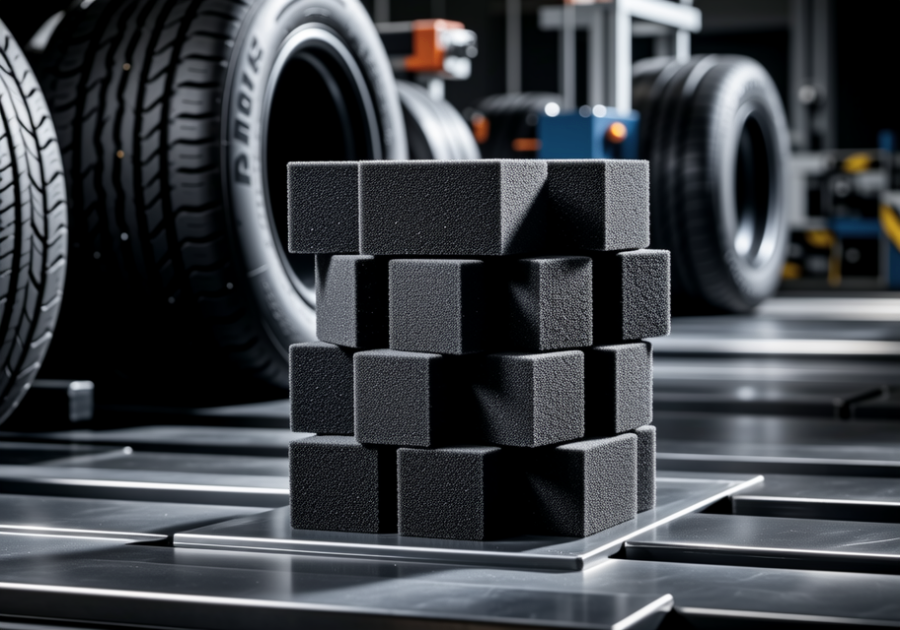
The TPR or the thermoplastic rubber comes with a semi-crystalline structure. They are synthesized from copolymers. TPR is a cost-effective solution that supports intuitive manufacturing processes. They are different from vulcanized rubber production which requires an adequate number of laborers and consumes much time. Molten TPR is placed on molds to create parts.
TPE or thermoplastic elastomers are another class of materials that comes with a combination of elastomeric and thermoplastic properties. These are remarkable polymer blends that exhibit the resilience and elasticity of rubber. Also, they provide shape retention and processability of thermoplastics. Let's check out the differences between TPR and TPE.
TPR vs TPE: The differences
In terms of TPR vs TPE, both of them are considered thermoplastic elastomers. However, the differences between TPR and TPE lie in their chemical composition, applications, and properties.
1. Processability
When it comes to excellent processability abilities, the TPEs are the preferred choice. As a result, they could be blow-molded, extruded, or molded by using traditional processing methods. Although TPRs are thermoplastic, they need different processing techniques because of the rubber content in them. As such, TRPs will need high processing temperatures along with specific processing methods to get optimal results.
2. Performance and properties
There are differences between TPR and TPE when it comes to overall performance and properties. Because of the high rubber content, TRP tends to offer improved impact resistance, resilience, and elasticity. These properties are important and could be beneficial in some applications. TPEs, on the other hand, offer a balanced combination of processability, flexibility, and elasticity. Moreover, they can provide amazing weathering resistance, UV stability, and chemical resistance.
3. Composition
Typically, TPEs are composed of two or more components. And, that includes an elastomeric phase and thermoplastic polymer. Because of the combination, it allows the TPE to have specific properties such as chemical resistance, flexibility, and hardness. Whereas, TPRs are formulated to get the thermoplastic component and rubber. That way, TPRs have a more rubber-like property.
4. Applications
No wonder, both TPRs and TPEs find applications in many industries. Still, specific applications of TPR and TPE are different because of their unique properties. TRP has a rubber-like distinctive property and is utilized in handles, grips, footwear soles, and other applications that need impact resistance and higher elasticity. Whereas, TPEs are used mainly in medical devices, electrical cables, consumer goods, automotive parts, and so on.
Conclusion
Knowing the differences between TPR and TPE will help you a lot to make the right selection for your upcoming project. When it comes to TPR vs TPE, they are popular injection molding plastics that support users throughout the production process. The differences should be considered when choosing the appropriate material for specific applications.

China agrochemical industry weekly(0825)
You May Interested In


2026-10-08
Trade Alert
Delivering the latest product trends and industry news straight to your inbox.
(We'll never share your email address with a third-party.)

Related News
-
Mitsubishi Chemicals completed its acquisition and will build a new TPE plant
-
From LANXESS’s 50% to Tire Makers’ 5%: The Rubber Industry Chain Is Experiencing a “Decreasing-Cost Transmission”
-
BASF and Hannong Chemical Joint Venture Nonionic Surfactant Plant Begins Operation in South Korea
-
EU Clears Bayer-KWS Sugar Beet Event
-
Lilly Bets US$3 Billion on China While Simultaneously Cracking Down on the Gray Market for Weight-Loss Drugs
-
EU Clears Bayer-KWS Sugar Beet Event
-
BASF Partners with Sinopec to Accelerate Application of Biomethane at Nanjing
-
BioNTech’s Founders Turn the Page
-
Deméter Enters China with a Stress-Focused Pitch
-
Novo Nordisk Faces a Compliance Test
Recommend Reading
-
![LANXESS Raises Global 1,6-Hexanediol Prices by 20% as Cost Pressure Begins to Pass Downstream]()
LANXESS Raises Global 1,6-Hexanediol Prices by 20% as Cost Pressure Begins to Pass Downstream
-
![BASF Raises BA and 2-EHA Prices as Acrylic Ester Costs Continue to Move Higher in Asia-Pacific]()
BASF Raises BA and 2-EHA Prices as Acrylic Ester Costs Continue to Move Higher in Asia-Pacific
-
![BorsodChem Raises MDI Prices by €500 as Cost Pressure in Europe’s Polyurethane Chain Continues to Escalate]()
BorsodChem Raises MDI Prices by €500 as Cost Pressure in Europe’s Polyurethane Chain Continues to Escalate
-
![Procter & Gamble Posts Higher Profits on Strong Personal Care Sales and Recovery in China]()
Procter & Gamble Posts Higher Profits on Strong Personal Care Sales and Recovery in China
-
![BASF Pushes Triple-Action Weed Control]()
BASF Pushes Triple-Action Weed Control
-
![Premium Global Chemical Sourcing Requests (3-7 Nov 2025)]()
Premium Global Chemical Sourcing Requests (3-7 Nov 2025)
-
![Imidazole: Heterocyclic Chemistry, Antifungal Drugs, and Buffer Systems]()
Imidazole: Heterocyclic Chemistry, Antifungal Drugs, and Buffer Systems
-
![On March 11, the Chinese acrylonitrile market remained stable and organized]()
On March 11, the Chinese acrylonitrile market remained stable and organized
-
![Butadiene Rubber Market Prices Surge Sharply]()
Butadiene Rubber Market Prices Surge Sharply
-
![Hydrogen Peroxide Formula: H2O2 Concentration & Safety]()
Hydrogen Peroxide Formula: H2O2 Concentration & Safety




- Hot Searches
- gl biochem ltd
- 2cb for sale
- chem pharma
- methyl acetate liquid
- industrial grade sodium bicarbonate
- retatrutide glp-3 for sale
- epo purchase
- fluocinolone oil ear drops
- food grade tannic acid for sale
- peptide retatrutide where to buy
- flour treatment agent
- where can i get retatrutide near me